.jpeg)

Pro Gear Advisers
•866-498-7882
Guitars
Guitars
Amps & Effects
Amps & Effects
Keyboards & MIDI
Keyboards & MIDI
Drums
Drums
DJ Equipment
DJ Equipment
Basses
Basses
Recording
Recording
Live Sound
Live Sound
Accessories
Accessories
Mics & Wireless
Mics & Wireless
Music Software
Music Software
Lighting
Lighting
Band & Orchestra
Band & Orchestra
Platinum Gear
Gear Tips
Narrow By:
Choose
Show Only:
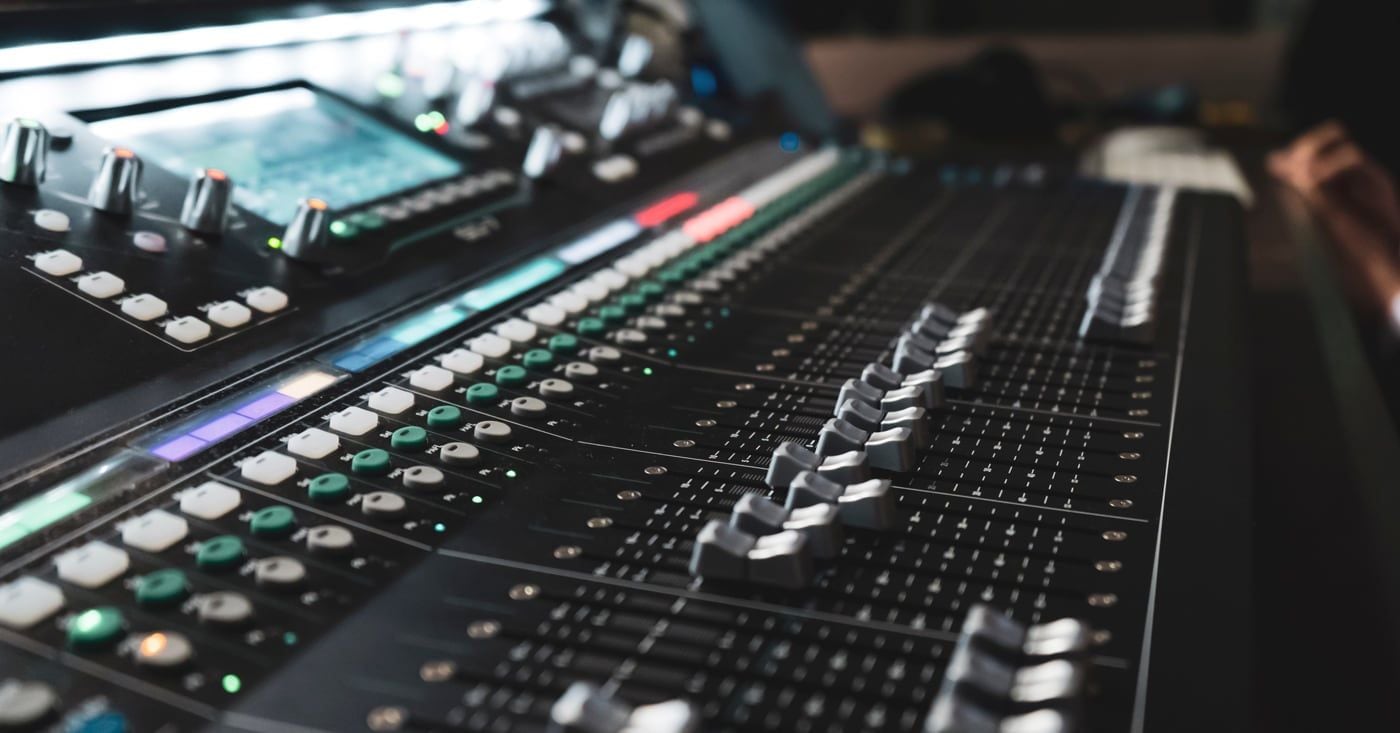
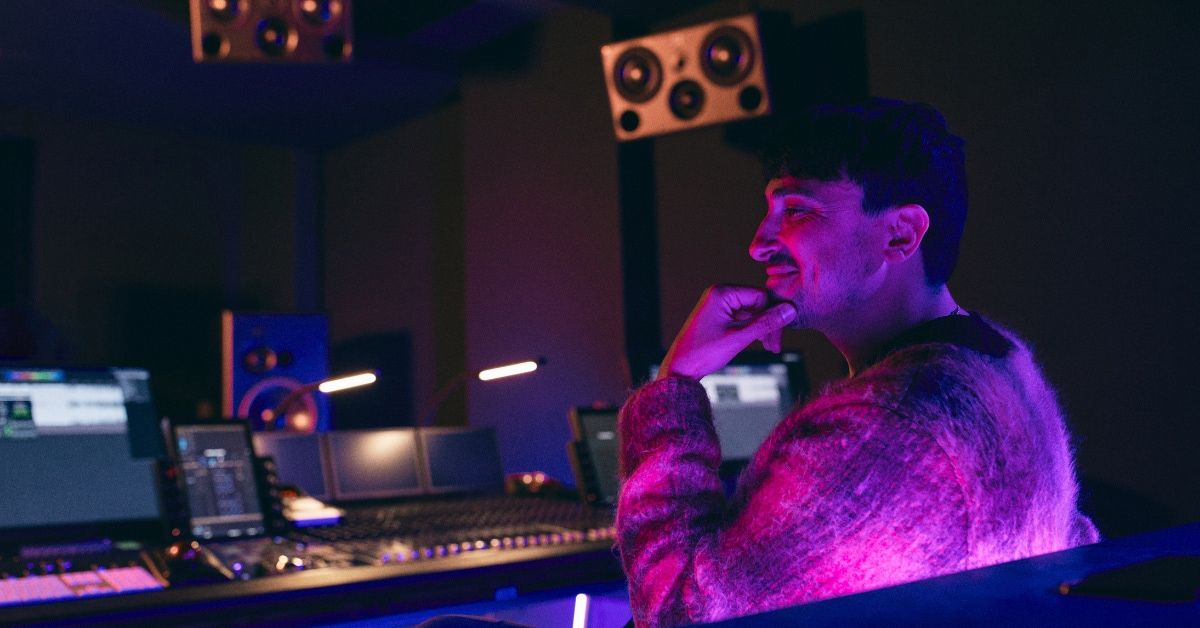
Dolby Atmos Mixing: Everything You Need To Know
Dolby Atmos is an immersive surround sound format that’s gaining popularity. Learn how to upgrade your studio and start mixing and producing deliverables in Dolby Atmos.
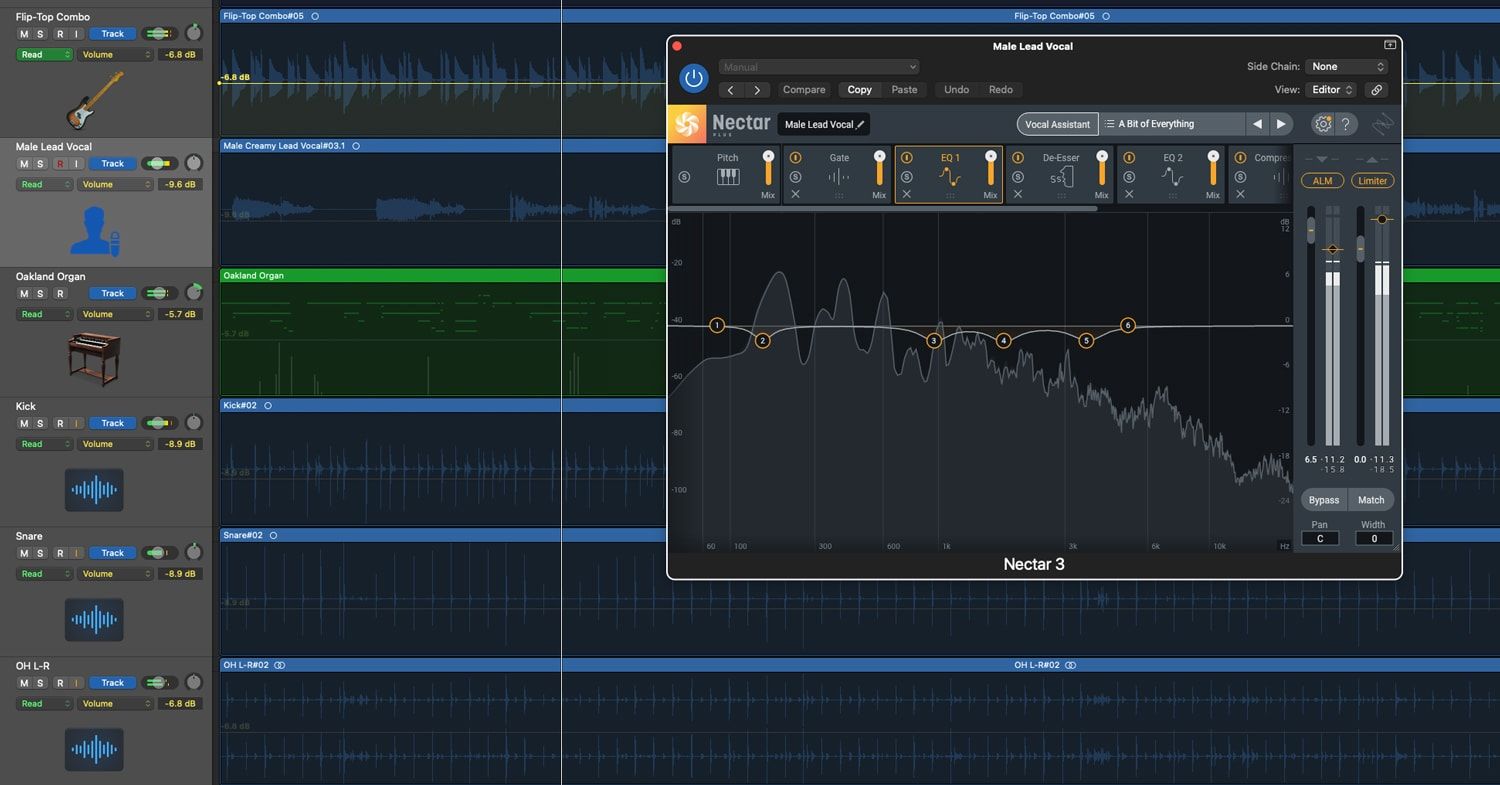
Using iZotope Nectar 3 Plus for Vocal Post-Production
Putting the spotlight on vocal mixing
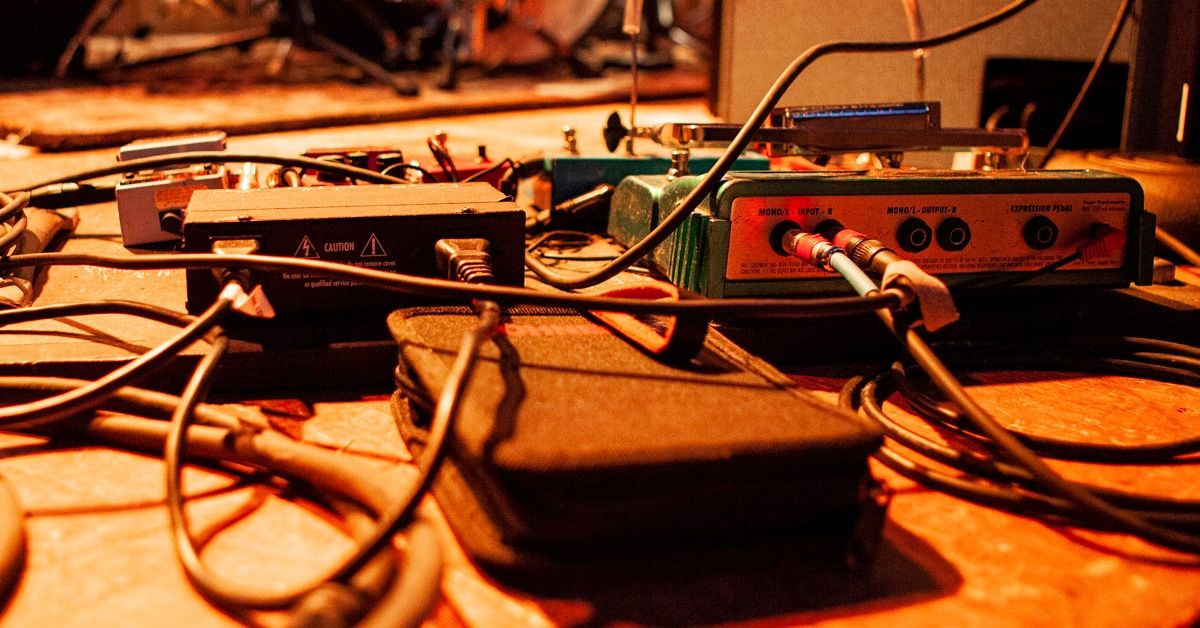
How to Fix Hum, Buzz and Other Noise in Your Audio Cables
Say goodbye to EMI, RFI and ground loops
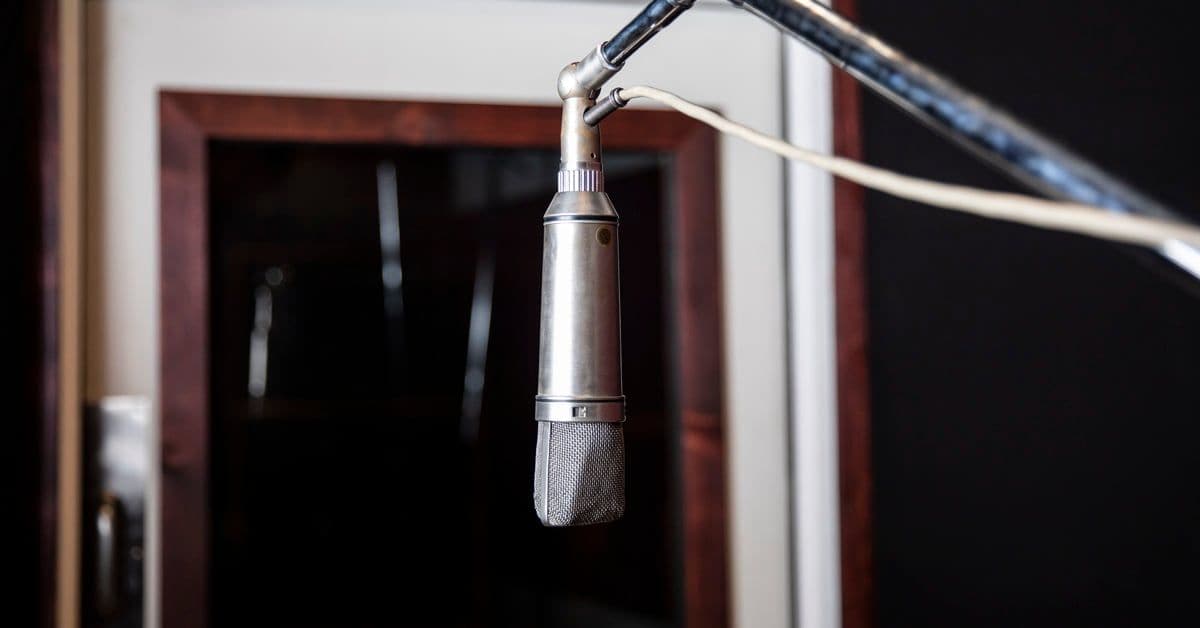
The Best Portable Vocal Booths for Pro Studios
Portable sound isolation booths are perfect for recording pro-quality vocals and instruments in any environment.
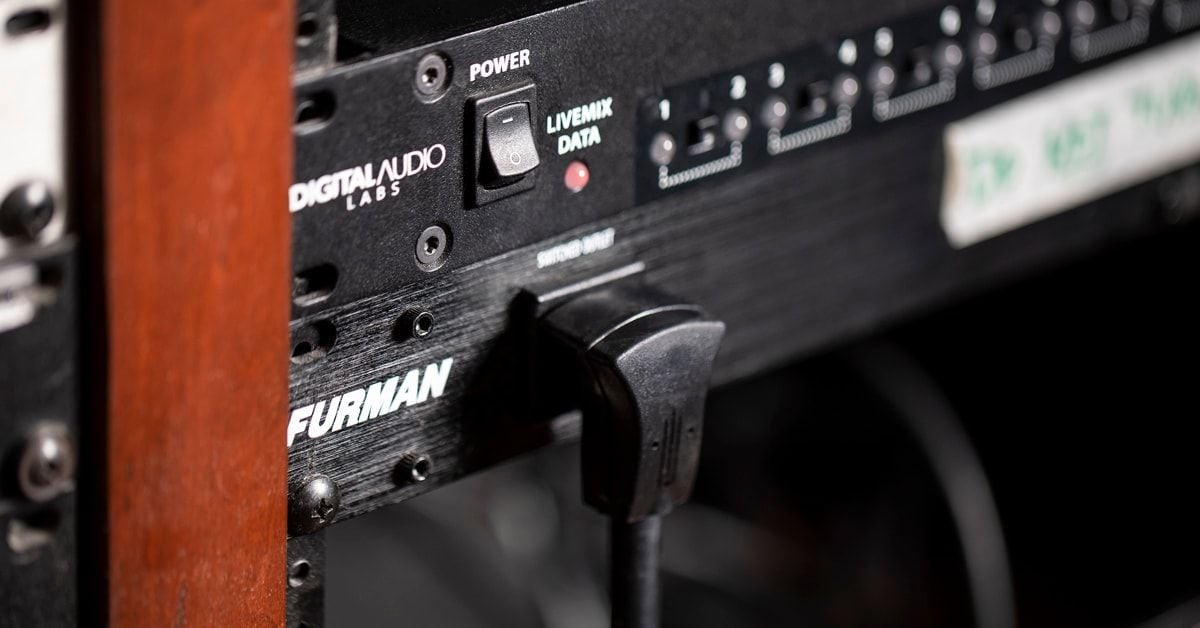
Kill The Noise With These Recording Studio Power Tips
Nothing is worse than buzzy, noisy equipment. Learn how to identify and remove noise problems in your studio with proper power conditioning.
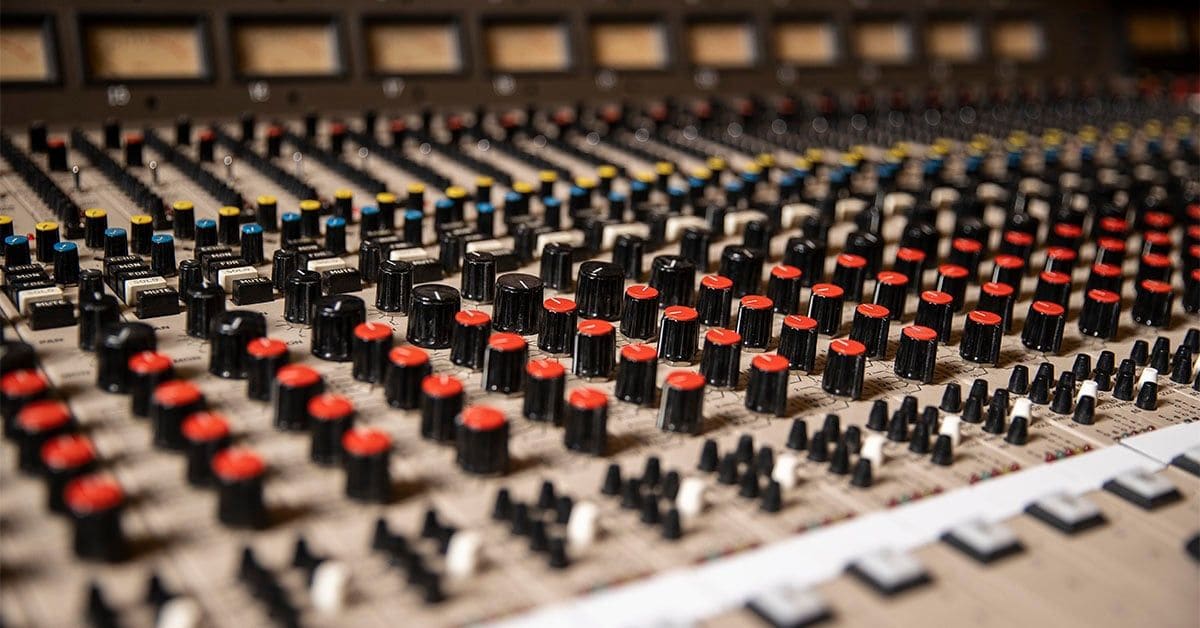
The Evolution of Recording and Mixing Consoles
Learn about the history of recording consoles, from the earliest Western Electric and RCA desks in the 1930s to the latest DAW control surfaces.
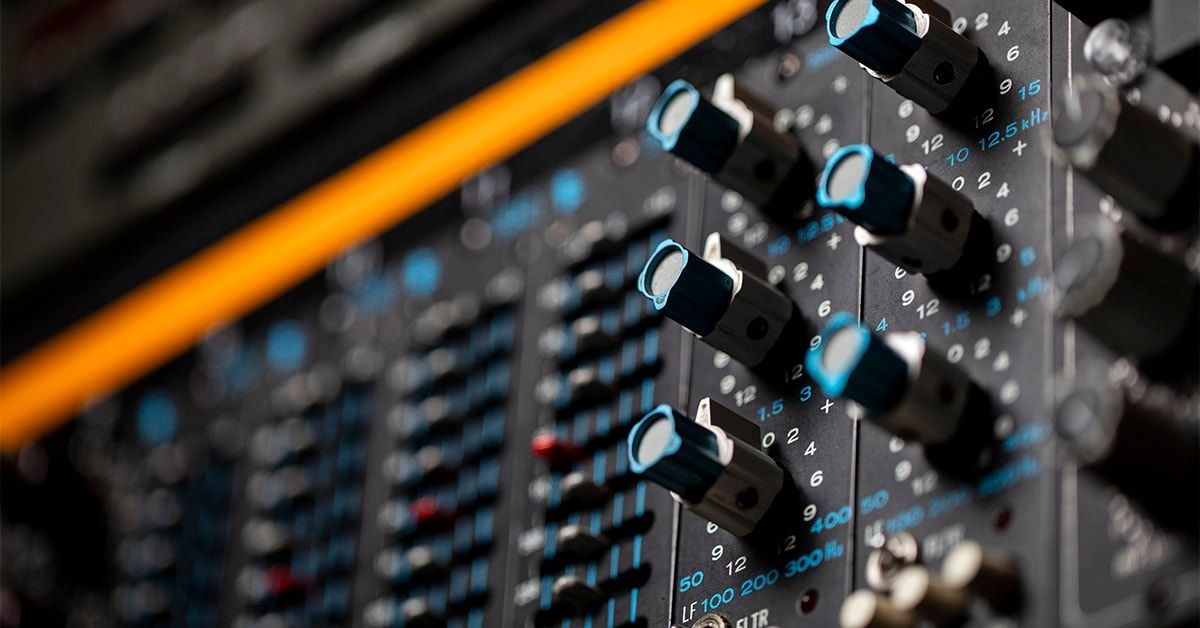
How 500 Series Modules Can Enhance Your Workflow
500 Series modules are getting more popular every year. Learn why so many engineers are making the move to lunchboxes.
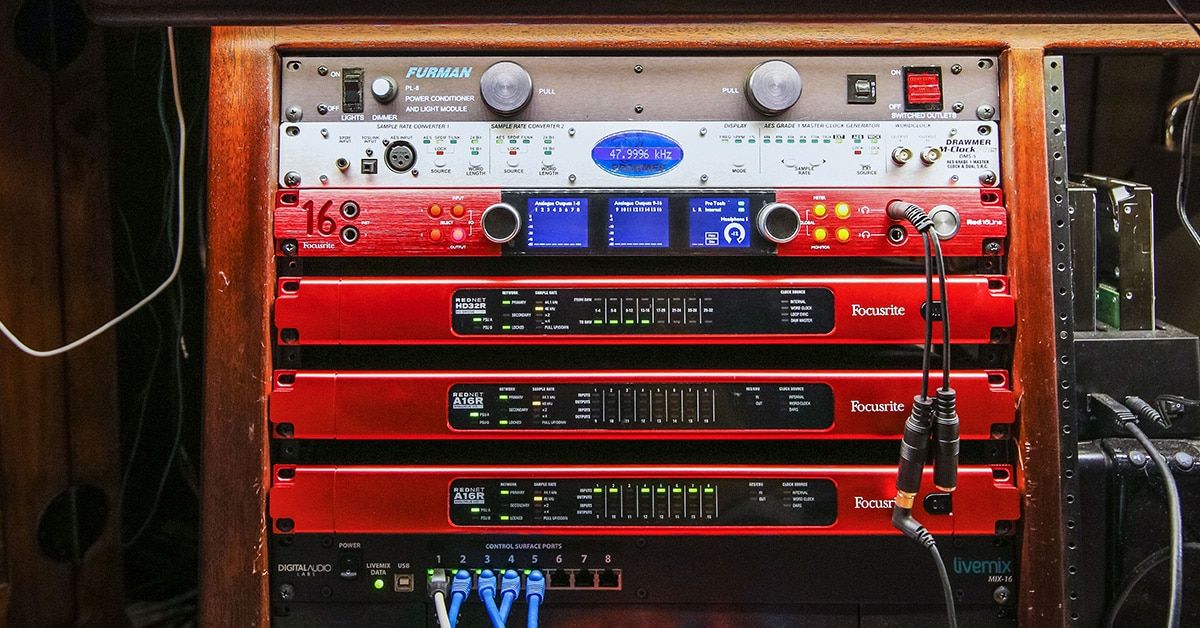
Networked Audio: The Future Of Recording Studios
Audio networking protocols like Dante and AVB make it easy to interface with equipment in any room of your studio. Learn how to streamline your workflow.
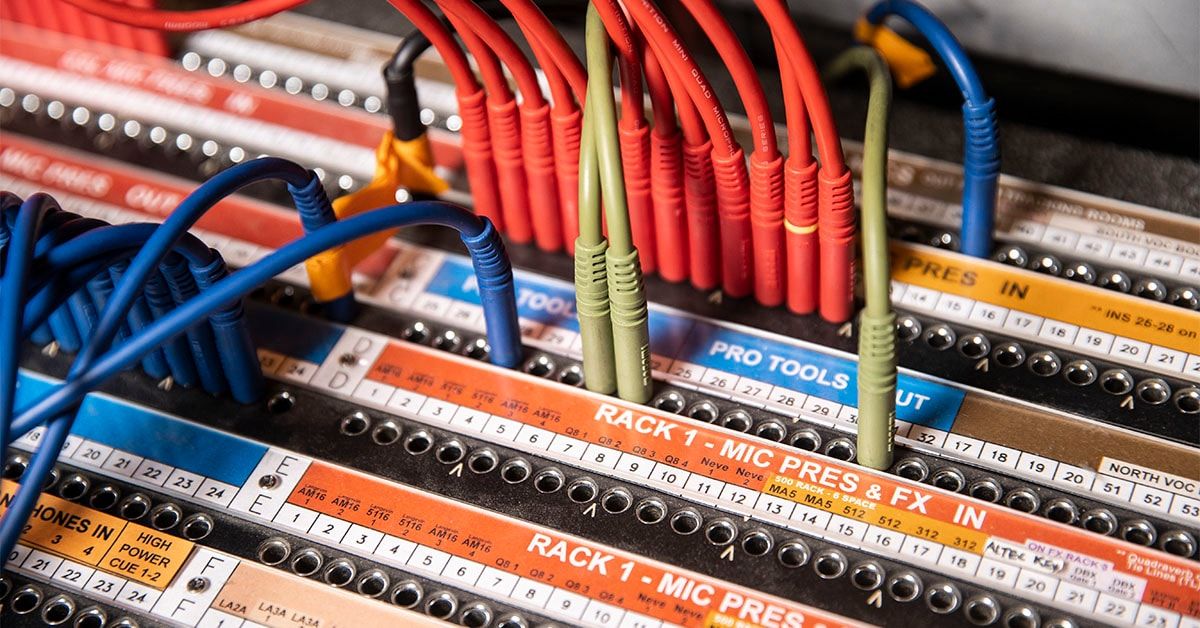
Patch Bay Tips: How to Optimize Your Studio Workflow
Optimize your studio and speed up your workflow with these patch bay tips, including layout, signal flow, normaling and more.
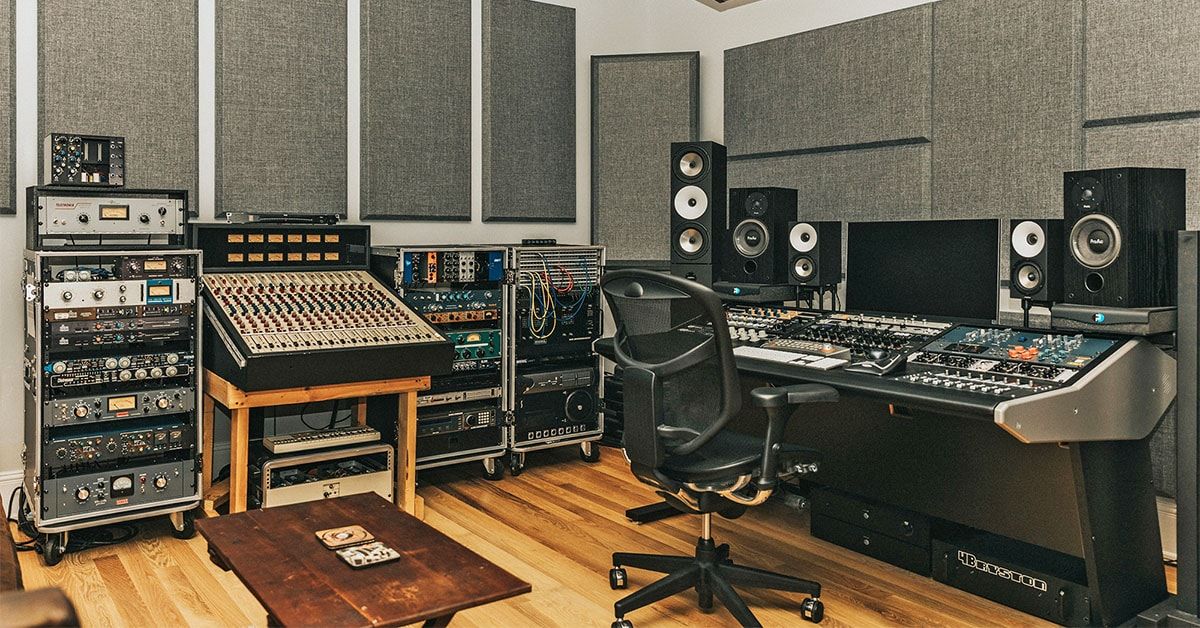
The Best Acoustic Treatment for Project Studios: The Ultimate Guide
Learn how to use professional acoustic treatment to improve the accuracy in your studio space and translation to other playback systems.
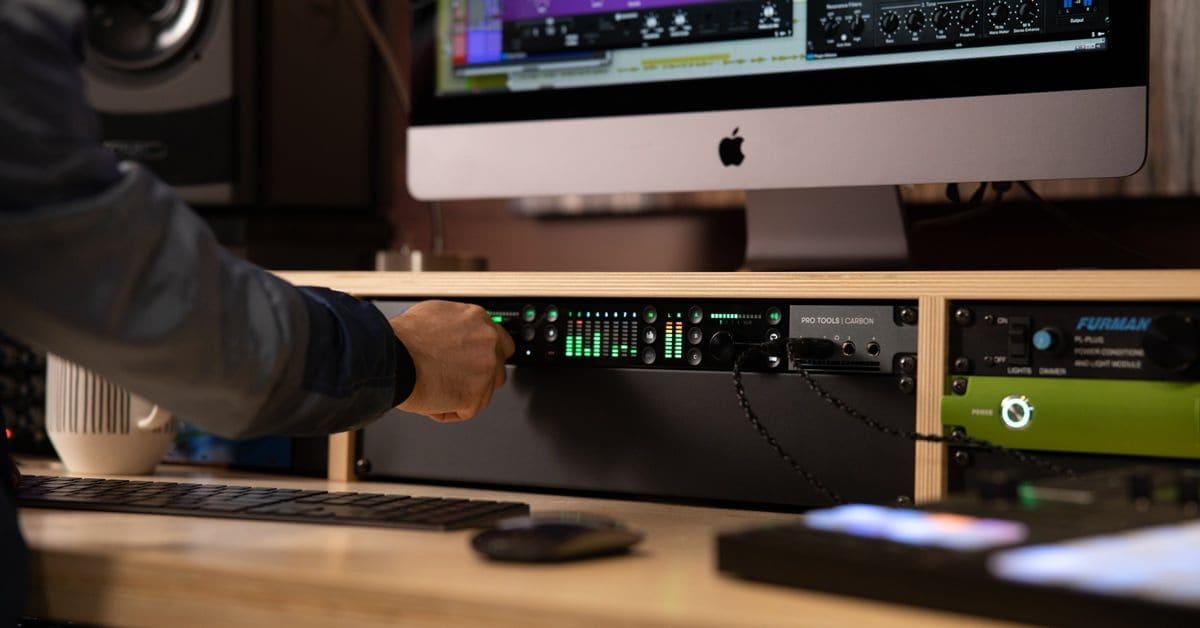
Avid Carbon: The Ultimate Interface for Pro Tools
We take a closer look at Avid Carbon, the hybrid music production audio interface designed to maximize the Pro Tools experience,
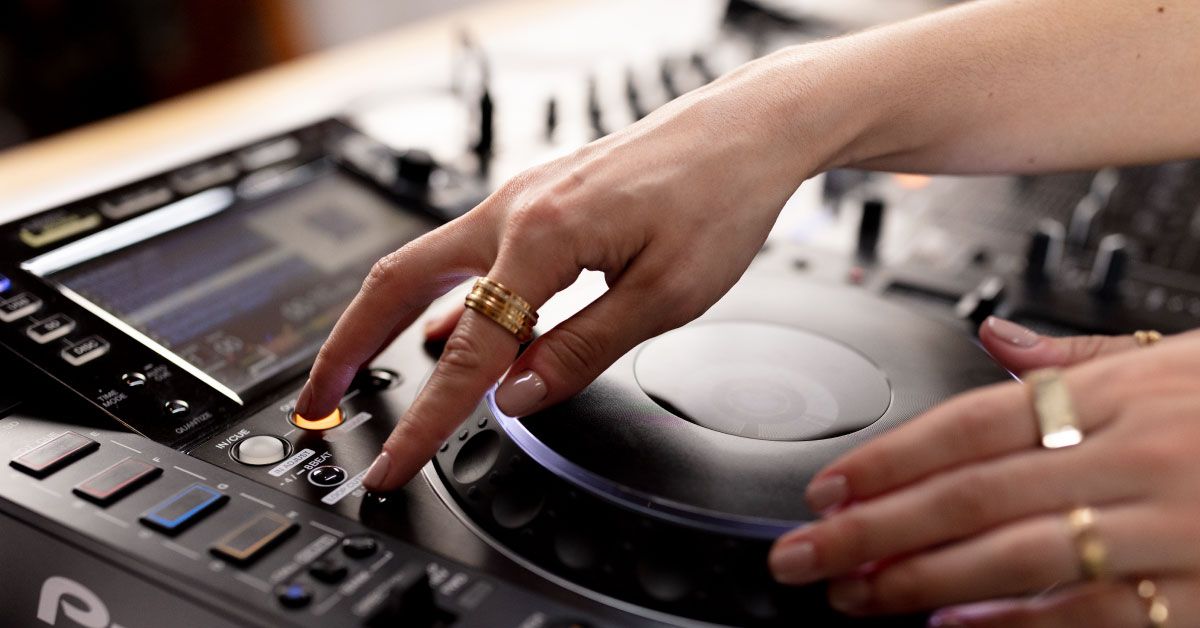
Guitar Center Lessons | DJ Techniques with Kittens
Guitar Center Lessons invited Lauren “Kittens” Abedini to demonstrate DJ techniques for getting started and playing set.
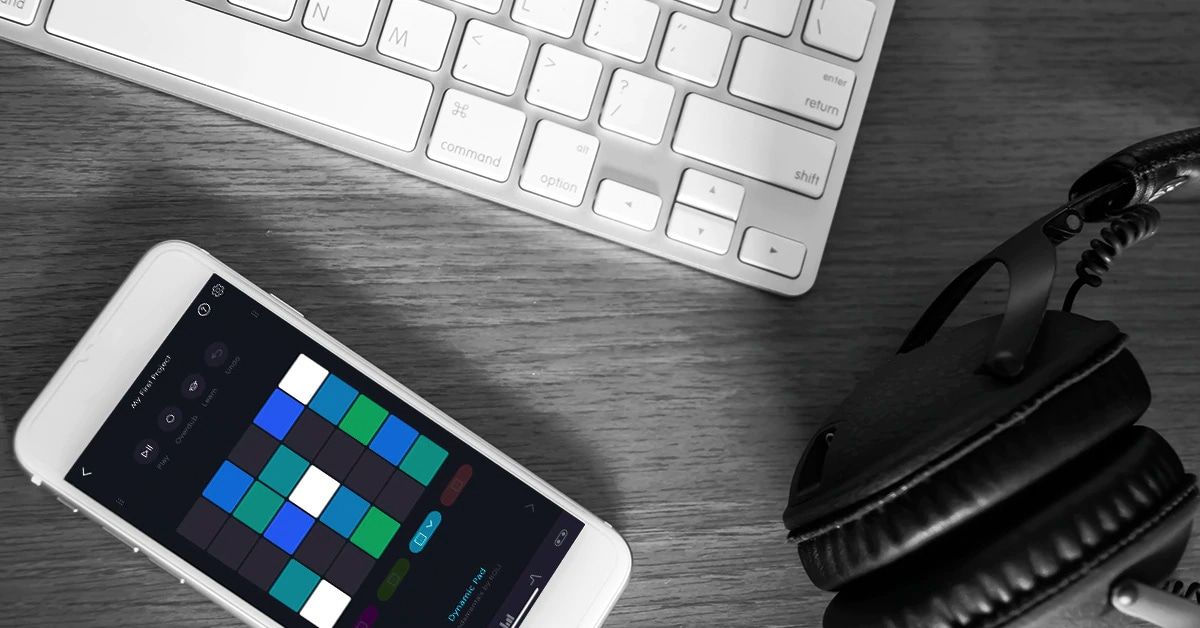
Performing, Recording and Producing Music with a Smartphone
Technology has modernized the way we consume and create music. Check out a few of our favorite high-tech gadgets to see how you can use your iPhone or Android phone for professional music production, performance or recording.
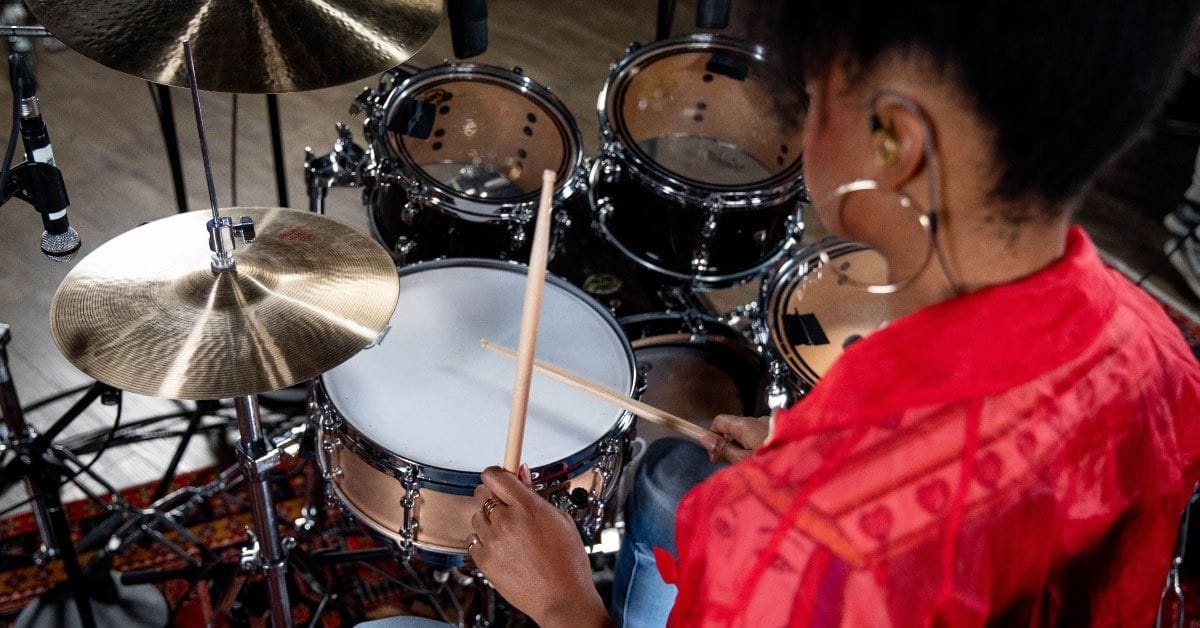
Guitar Center Lessons | Drum Techniques with The Pocket Queen
Guitar Center Lessons invited Taylor “The Pocket Queen” Gordon to demonstrate some of her favorite drum techniques and creative strategies.
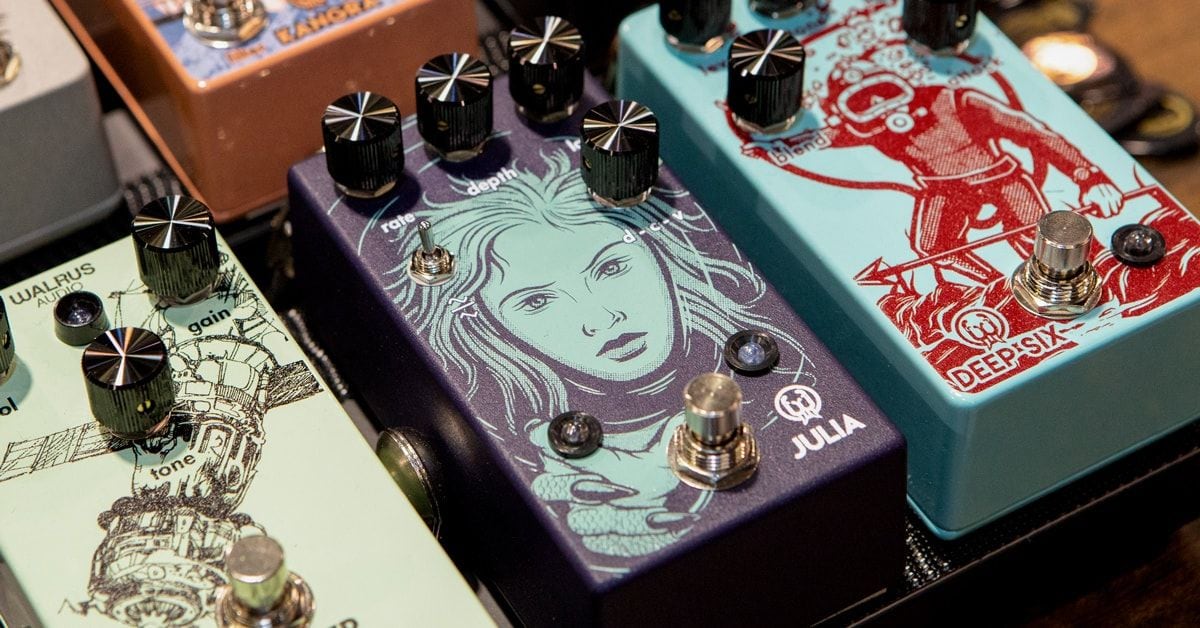
How To Build a Guitar Pedalboard
Ready to start putting together your first pedalboard? We're here to help you find the best board, audio cabling and power supplies for your needs.
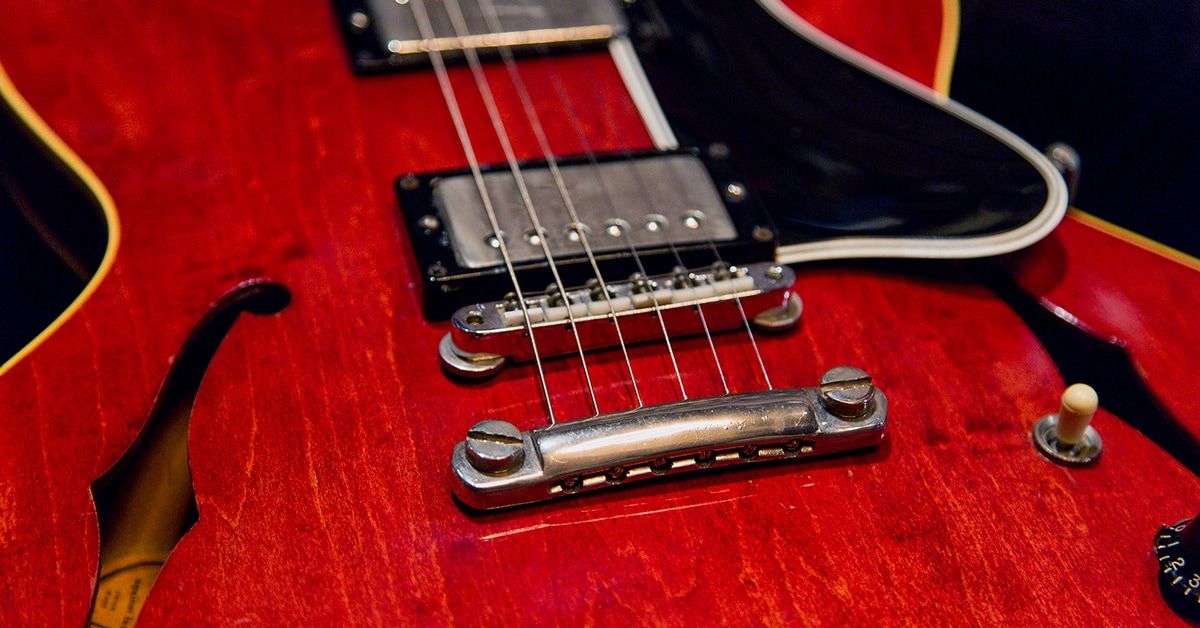
Choosing the Right Guitar Body Style
Curious about which guitar body-type you're looking for? In this article we break out the differences between solidbody, hollowbody and semi-hollowbody guitars.
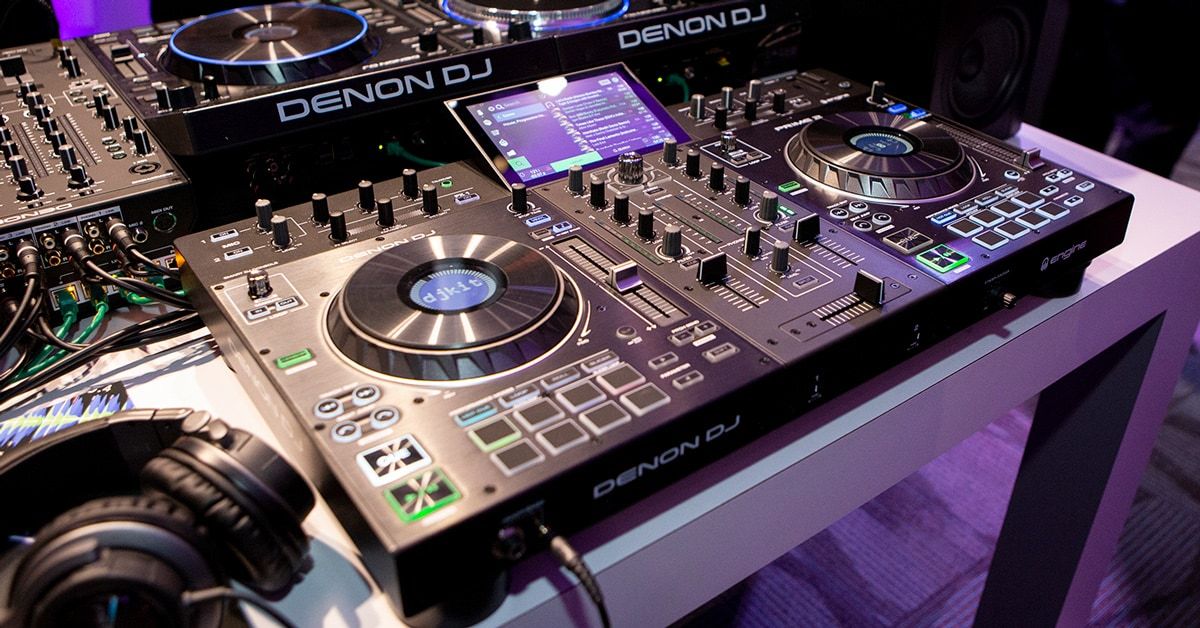
Denon DJ's Prime Go and Prime 2 | A Closer Look
We interview Denon DJ's Jason Stout to learn more about the new Prime Go and Prime 2
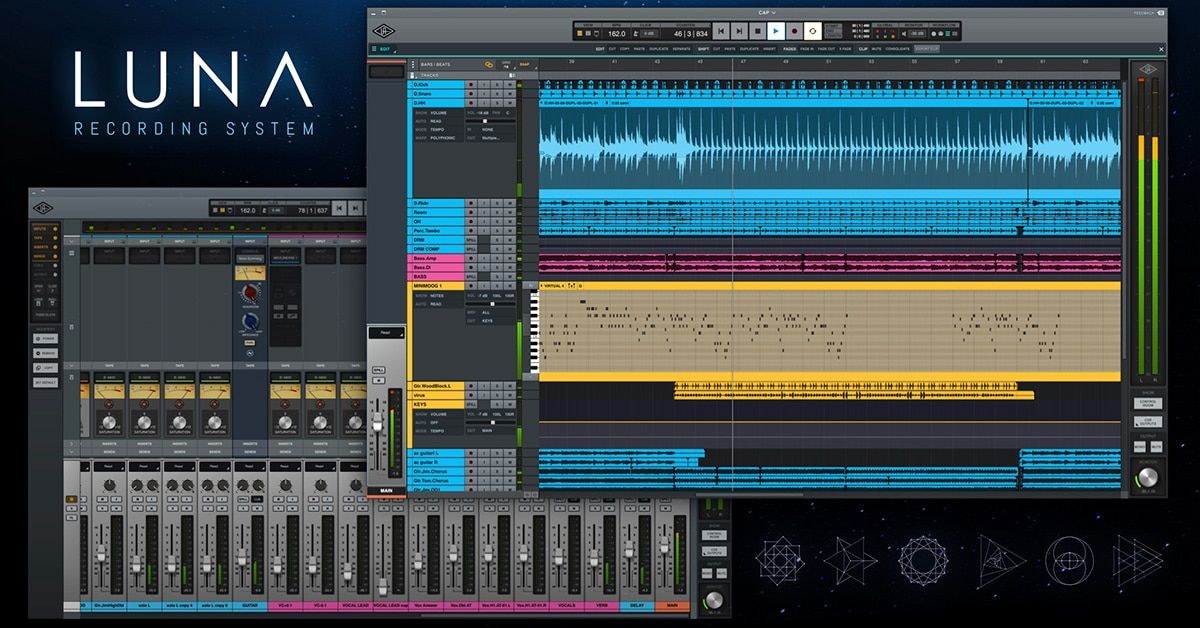
Universal Audio LUNA | A Closer Look
Learn more about LUNA from Lev Perry, Universal Audio’s Director of Product Management.
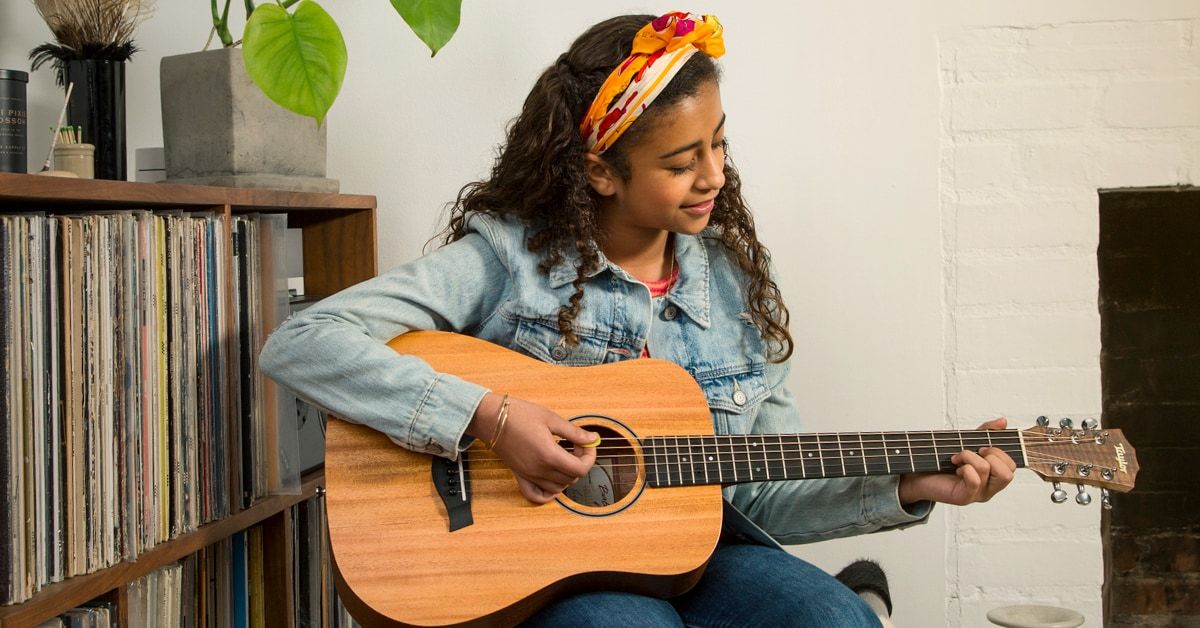
Practice Tips for Learning an Instrument
When you’re learning a musical instrument, whether you are just starting out or already have some of the basics down, the most critical thing you can do to improve is to learn to practice effectively.
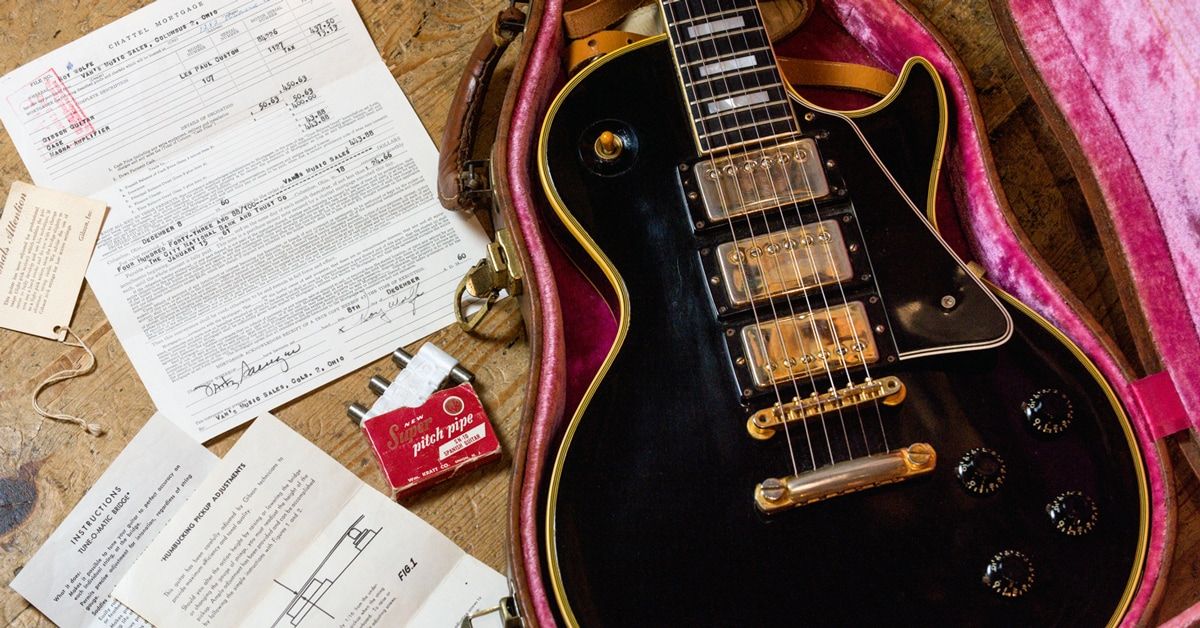
Vintage Guitar Finds | 1958 Gibson Les Paul Custom
Jack Hetherington, Guitar Center's Director of Used and Vintage, has seen countless rare guitars, but when a single-owner 1958 Gibson Les Paul Custom came through the Hollywood Vintage Room, he had to share. We chatted with Jack about this unique instrument and the process of acquiring vintage guitars.
Showing:128 - 148 (of 169 matches)
Be the first to know about exclusive offers, tips and more.
Thank you for signing up!

Copyright © Guitar Center, Inc.
All Rights Reserved.
California Transparency Act
Purchase Terms & Conditions
Your Privacy Rights
Terms of Use
Do Not Sell or Share My Info
Data Rights Request
Cookie Preferences