

Pro Gear Advisers
•866-498-7882
TASCAM Model 24 and Model 2400 | Which Mixer-Recorder Is for You?
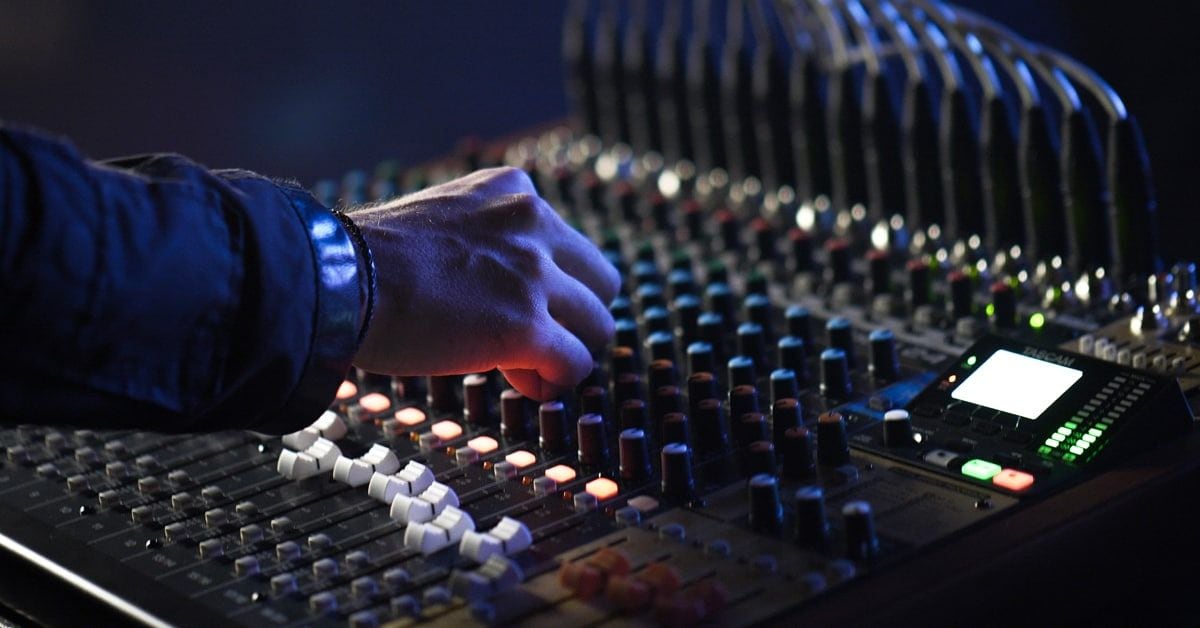
Nope. We haven’t taken a trip back to the “era before DAWs” in The Time Tunnel of ’60s sci-fi television. Physical mixer-recorders, descendants of the cassette multitracks of the ’80s, do exist today, and they can be brilliant options for those who adore knobs and faders, rather than mouses, touchpads and touchscreens.
TEAC/TASCAM released the first cassette multitrack in 1979, the 4-track 144, and the company has pretty much continued to embrace its Portastudio concept throughout the years, transitioning from analog cassettes to digital media in 1997.
The recent evolutions of TASCAM’s tactile, all-in-one mixer-recorders are the Model 24 (introduced in 2018) and the Model 2400 (which debuted last year). They offer hybrid analog and digital operations, can interface with DAWs, act as relatively affordable interfaces with multiple analog mic and instrument inputs, and even feature Bluetooth and MIDI connectivity (Model 2400 only). Both are powerful tools, and each makes it easy to do what I love physical mixer-recorders for—recording a full band remotely at a rehearsal space, club, garage or other location.

Pictured: TASCAM Model 2400 24-Channel Multitrack Recorder and Mixer
Why Use a Hybrid Analog Mixer and Digital Recorder?
When recording, I tend to follow the KISS principle (“Keep It Simple, Stupid”), because I don’t appreciate any impediments to the creative process. I want to spend my time getting good sounds, experimenting with cool ideas and nurturing performances. I don’t like to worry about software crashes or interface issues—however rare they might be, they still happen—when I could pack up a Model 24 or 2400, and have 16 XLR analog inputs ready to immediately accept microphones without any fuss. That’s the stuff.
I admit my old-school bias on this point, but I’ve never liked it when a mixer or interface says it has 16 analog inputs, when what that really means is eight are XLR and the rest are TRS. If I’m recording a band, I want to use professional mics, and I need at least 16 bona fide mic preamps with XLR jacks.
I’m far from being anti-DAW, as I use Logic Pro on a MacBook Pro in my home studio. But the system is used mostly for recording song demos and trading overdubs back and forth with professional studios. I don’t track bands at home, so I don’t have to bother with a multi-channel interface, and I’d need to borrow or purchase one if I was motivated to bring my personal rig to work with acts larger than acoustic duos. Furthermore, my laptop is the vessel for a bunch of personal and business data, so I’m never thrilled about dragging it out into the wild.
The TASCAM Model 24 and 2400 make it possible for me to record demos—or even releasable tracks—for bands who might not yet have the means to hire a professional studio. And my DAW gets to hang out safely at home with the dogs.
Main Differences Between the Model 24 and Model 2400
As I’ve mentioned, both of these hybrid, analog/digital mixer-recorder interfaces are beasts. But as the Model 2400 costs a few hundred dollars more than the Model 24, are there practical benefits for going upscale to the newer 2400 or will the less expensive 24 do a marvelous job for most needs?
The feature set kicked off by the Model 24 includes:
- 24-in/22-out USB interface
- Built-in 24-track digital recorder (22 tracks plus stereo mix)
- 16 XLR jacks with mic preamps and phantom power
- 3-band EQ with sweepable mids (first 12 channels)
- 7-band analog graphic EQ on master bus (main mix)
- Onboard compression (first 12 channels)
- 16 digital effects
- 100 mm faders
- LCD screen

Shop Now: TASCAM Model 24 24-Channel Multitrack Recorder with Analog Mixer & USB Interface
Those are more than enough goodies to facilitate a marvelous workflow and excellent sound, but the Model 2400 adds some very slick upgrades:
- 16 TASCAM Ultra HDDA (High Definition Discrete Architecture) preamps
- 20 space-saving XLR and 1/4" combo jacks
- Insert jacks on first 12 channels for connecting outboard effects and signal processors
- Five AUX sends (rather than the Model 24’s two)
- Four stereo subgroups (up from the lone subgroup of the Model 24)
- An additional 1/4" TRS headphone jack (two total)
- Larger display
- Switchable phantom power on 4-channel arrays (Model 24 has global, which can be problematic when using ribbon and condenser mics on a project)
- Talkback mic input (more of a benefit in situations where the band or a singer is in another room monitoring on headphones, but always nice to have)
- MIDI connectivity
- DAW Control Mode for operating your DAW transport from the Model 2400
- Master bus digital processing for adding a stereo compressor and 4-band EQ to your mixdowns (replacing the 24’s 7-band graphic EQ)
- Switchable post-EQ Rec Out on first 20 channels—choose to record signals with EQ applied or flat
- Channel compressor and EQ bypass switch (also on first 20 input channels)
- 1/4" TRS inputs added to stereo channel (21/22)
- Onboard click track with dedicated 1/4" output (tap tempo control available with optional footswitch, sold separately)

Shop Now: TASCAM Model 2400 24-Channel Multitrack Recorder with Analog Mixer & USB Interface
Doing Sessions with the Model 24 and Model 2400
Although the great-grandparents of the Model 24 and Model 2400 are TASCAM’s Portastudios of the 1980s, these mixer-recorders are somewhat less portable. In fact, they are huge. It’s definitely more effort dragging one of these boards to a remote recording location than dropping my old Portastudio into a gig bag and running out the door to a session. But it’s really no big deal to protect the mixers by draping them in bubble wrap or a blanket—or even in the plastic covering that comes in the shipping boxes with the units—and laying them onto the backseat of a car or cargo area of an SUV.
As you can imagine, session setup is super easy and very fast. Once you’ve turned on the mixer and created a new song—which is required for recording operations—all you need to do is position your microphones and plug them in. I was usually ready for a first take in less than 20 minutes—maybe a little more if I had to squeeze between a drummer’s setup in a cramped rehearsal studio.
Dialing in sounds is different between the Model 24 and the Model 2400 because the EQ section on the 24 is after the AD/DA converter, so your tone tweaks are not printed to the SD card. That wasn’t a problem for me because recording flat is no big deal if you can tweak sounds during playback for mastering, or if you plan to export your session to a DAW for more comprehensive processing with plug-ins. But if you’re someone who just can’t help yourself from messing with source sounds during recording, you simply won’t feel “whole” unless you’re using the Model 2400.
While you won’t mistake the sonic quality and aural vibe of a Model 24 or Model 2400 with celebrated analog mixers by Allen & Heath, Soundcraft, Trident and so on, the TASCAM units deliver sounds that are clean, pristine and robust. If I was tasked with sending a Model 24 or Model 2400 mix to an indie label for general release, I’d certainly polish up the sessions through a DAW. That’s more due to my paranoia about what constitutes a “professional” mix these days, than the reality of what these decks can produce. In most instances, anything you record and mix 100 percent on either machine will possess more than enough sound quality for distribution on streaming services, YouTube, social networks, DIY vinyl albums and 45s, and even CDs.
It really comes down to what you’re trying to accomplish. An audio production opus will likely require bringing a DAW into the mix. On the other hand, productions that veer more to the live band feel—such as the surf instrumental and punk acts I worked with—can definitely be delivered entirely within the boundaries of a Model 24 or Model 2400.
Oh, and while we’re on the subject of mixing, let’s talk about the onboard digital effects of the Model 24 and Model 2400. You get 16, which is marvelous if you dig the choices TASCAM provides (small and large hall, small and large room, plate reverb, delay, chorus, flanger, etc.). I used the effects for providing musicians with a bit of juice during recording as well as providing a band with a lively rough mix, but it’s unreasonable to expect the onboard processing (including the compressor) to compete with mid- and high-end analog processors and digital plug-ins. Part of what’s fun about production for me is pushing the envelope on processing, so if it were one of my tracks, I’d leap into the abundance of plug-ins sitting in my DAW. But some of the bands were extremely happy with the onboard effects and didn’t ask me to level up the mixes. As with everything in the galaxy of tone, trust your ears here.

Pictured: TASCAM Model 24 Rear Panel
Choosing Your Super Model
Determining which model is best for you involves—duh—figuring what you actually need. Sometimes that can be harder than you might think. Let’s try to help you with that.
Obviously, both units are fabulous if you want an integrated, Portastudio-style mixer-recorder that’s super easy to use and offers a bounty of XLR inputs and mic preamps for effortlessly recording bands or mixing live performances.
But if you’re one of those creators who want the newest, most feature-enhanced gear—and there are a lot of you, we know—the Model 2400 is going to win hands down. It offers better mic preamps, increased routing and processing flexibility, and more seamless integration with a DAW-based home studio.
However, if sticking with well-designed basics is your jam, and you don’t plan on raising the intensity of your recording methodology any time soon—meaning such things as exploring MIDI Timecode, DAW transport control, multiple subgroups and the like—the Model 24 will deliver excellent sound with minimal hassles.
Whatever path you choose, I’m just happy TASCAM has stuck with—and evolved—the Portastudio. Sure, there’s some nostalgia there. My first personal multitrack was a TASCAM 244, and having trained as an engineer in the era of tape multitracks, big old mixing desks and racks of outboard gear, I still get a bit giddy putting my fingers on physical controls.
Thanks to the TASCAM Model 24 and Model 2400, I can do that in home and remote recording situations without having to book time in a pro studio or hire a mobile truck whenever I want to time travel back to the days of wood-paneled control rooms and far too many people wearing bell-bottoms as they dialed in sounds.
Written By: Michael Molenda
Michael Molenda is a content strategist, editor and writer for Guitar Center, where he has worked since 2022. He is the longest-serving Editor in Chief of Guitar Player (1997-2018), and former Editorial Director of Bass Player, EQ, Keyboard, Electronic Musician, Gig and Modern Drummer. A guitarist, drummer, bassist and producer, Mike co-owned three pro recording studios in San Francisco, and performs with Surf Monster and The Trouble With Monkeys.
Recently Added to Gear Tips
Be the first to know about exclusive offers, tips and more.

866-498-7882 English
877-687-5402 Español