

Pro Gear Advisers
•866-498-7882
Inside the Noise Episode 9: Chris Martin
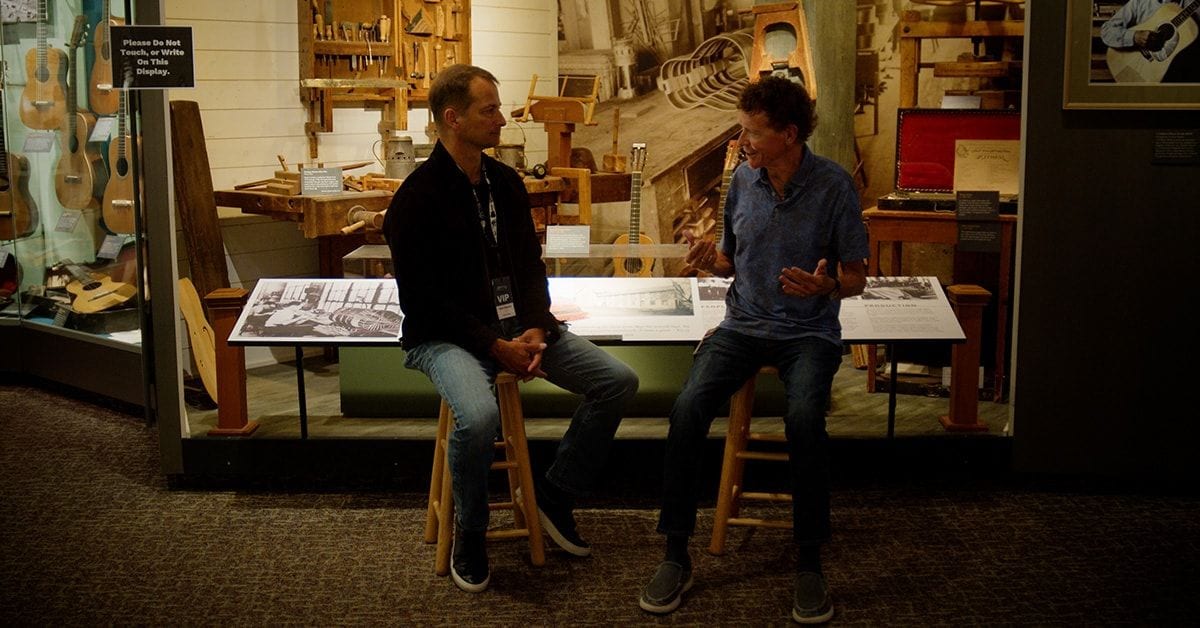
Martin Guitars Executive Chairman Chris Martin is the sixth-generation family member to lead the legendary company, which was founded in 1833.
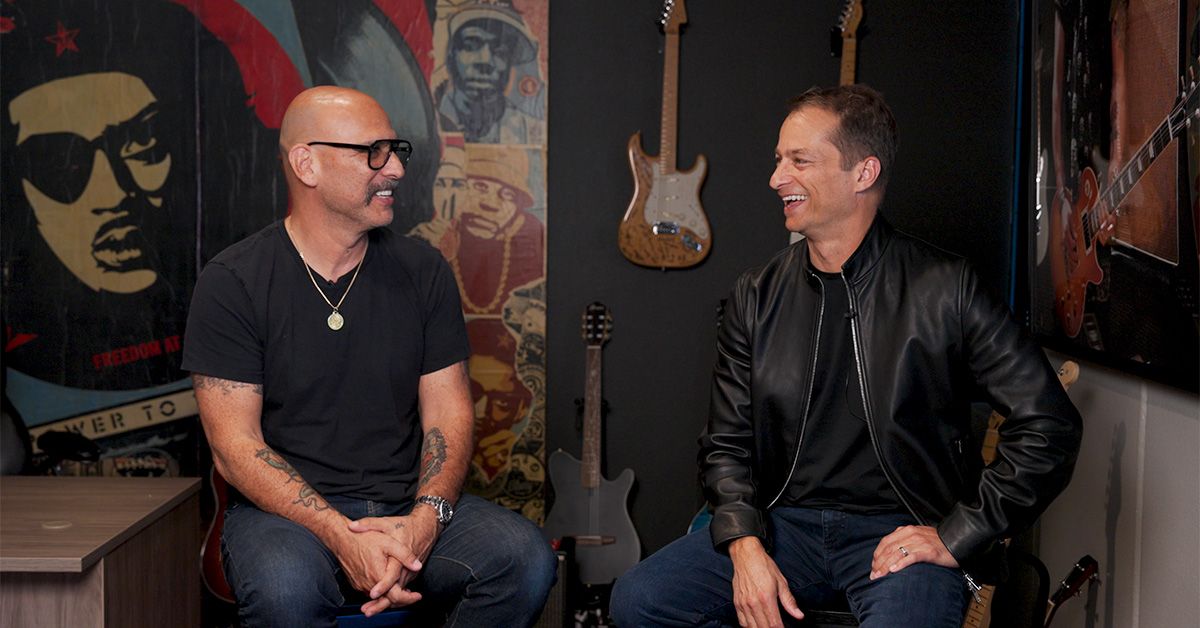
In episode 9 of Inside the Noise, Martin shares with Guitar Center CEO Gabe Dalporto the challenges faced by the iconic brand in the disco, new wave and heavy metal eras of the late ’70s and early ’80s, as well as the ability to pivot under pressure he learned from his family history.
“My grandfather passed, I’m in charge and we’re losing money,” admits Martin about a trying time for the brand. “We had to have our stock valued, and we were asked for a forward-looking projection. So, we sharpen our pencils and we say, ‘Okay, we’re losing money this year, but it everything we plan to do goes right, we are confident we’re going to lose less money than we did this year.’ And we thought we nailed it. But they said, ‘Everything is not going to go right because it never does. Go home and sell the business tomorrow, because it’s going to be worth less money than it is the day after tomorrow.’ Wow. But we needed that. We did a whole new plan with the goal to break even, and they took it. It reminded me that once in a while you need someone to say, ‘Your baby is ugly.’”
But through the business travails he experienced, Martin possessed a secret superpower for forging ahead—his family’s generations-long ability to adapt and succeed.
“By the late 1970s and through the early ’80s, the acoustic guitar had peaked,” he remembers. “It was tough. But one of the things I've learned about my family's business is they've been very astute at coming to the conclusion at some point, ‘Why are we trying to drive through this brick wall we can't drive through? Let's drive around it.’ The company pivots. Going from the Johan Georg Stauffer’s Viennese designs to Spanish-style guitars. Going from gut to steel strings. I always keep those pivots in the back of my mind: This is working until it isn’t, and if it seriously isn’t working, let’s do something else.”
Martin also had the benefit of family to bring him into the business at an early age—even though it was initially through his grandfather, not his dad.
“My parents divorced when I was three, and I moved away with my mom,” says Martin. “But my grandfather took an interest in me, and he would make sure I visited him and my grandmother. I remember him bringing me to work at the old factory. I think I was about seven years old, and I was down in the machine room with a Tannewitz bandsaw. OSHA (Occupational Safety and Health Administration) would freak out about that today. The worker, Donald—I forget his last name—taught me how to transform mahogany boards into necks while maximizing yield. I wasn’t allowed to use the saw, but I was learning about the value of these woods and how to treat them with respect.”
Refreshingly, Martin admits he wasn’t born to be the CEO of a top brand. But he did the work to get there.
“I was not a born leader,” he confesses. “It was not something I aspired to. I’m an introvert. I’m shy. But I understood, okay, I’m going to have to be a leader. So, I took an Outward Bound course, which teaches personal responsibility and growth and team building. Then, at Boston University, the course that really resonated with me was called ‘Organizational Behavior’—where I eventually learned ‘hierarchical management’ was broken. It wasn’t working. I also learned my job is not to make everyone happy, but to treat them fairly. This allows us to say that we’re not going to treat anyone special, because everyone is in this together.”
Catch the full conversation and other episodes of Inside the Noise with Gabe Dalporto on YouTube, Apple Podcasts, Spotify or any of your favorite major platforms. When you subscribe, you’ll get new episodes every Tuesday at 3 p.m. PT.
Written By: Michael Molenda
Michael Molenda is a content strategist, editor and writer for Guitar Center, where he has worked since 2022. He is the longest-serving Editor in Chief of Guitar Player (1997-2018), and former Editorial Director of Bass Player, EQ, Keyboard, Electronic Musician, Gig and Modern Drummer. A guitarist, drummer, bassist and producer, Mike co-owned three pro recording studios in San Francisco, and performs with Surf Monster and The Trouble With Monkeys.

Be the first to know about exclusive offers, tips and more.

866-498-7882 English
877-687-5402 Español