

Pro Gear Advisers
•866-498-7882
5 Ways a Wireless Guitar System Can Energize Your Show

Shocker. Wireless systems provide guitarists with near-absolute freedom of movement. Got it. So why should you read any further?
Well, besides hurting my feelings, there may be a trick or two you hadn’t considered regarding upgrading your stage show presentation by cutting the cord.
Furthermore, you may not know that Leo Fender released a wireless guitar system in 1961. It bombed. By 1962, it was simply a sad historical footnote amidst the many successes of the Fender brand.
Far more commercially successful were Ken Schaffer and John Nady in the mid-1970s—although both inventors initially tackled the sonic issues with wireless mics before moving to the guitar itself. The Schaffer-Vega Diversity System was developed in 1975, and became adopted by Kiss, AC/DC and various artists. The Nady Wireless, or “Nasty Cordless,” hit the scene in 1976, and saw action with Aerosmith, The Rolling Stones and others.
Thanks to Schaffer and Nady’s groundbreaking accomplishments—along with the efforts of other manufacturers who forged ahead with wireless instrument tech—it’s almost considered strange to see guitar cables on the stages of major touring acts.
But if you’re still holding onto your wired security blanket for whatever reason, consider how that cable could be sapping the energy and excitement of your live performances. Here are five ways a wireless guitar system can transform the wattage of your shows from one of those tiny electric table candles to something on the order of Disneyland’s “Paint the Night” parade powered by 1.5 million LEDs.
1. Wireless Systems Offer Unchained Performances
Obviously, the key reason why wireless guitar systems can energize and animate stage shows is releasing players from the confines of a cable—or having to source a 100' length as Buddy Guy used to do for his walking-into-the-audience schtick back in the ’60s.
But don’t assume that simply strutting into the crowd is going to wow anyone. Thanks to decades of wireless technology, people are accustomed to having guitarists suddenly appear right next to them. Strive to change things up and be creative with your freedom.
Pose for selfies. (Maybe even take the selfie using one hand while doing trills on your guitar with the other.) Bring a drink to someone from the bar. Drag out a couple of uncabled band members to do choreographed dance moves with you. Use the top of the bar as a catwalk, Pee Wee Herman style. Sit at someone’s table while they eat or drink, and play to them. Have an audience member strum your guitar while you handle some chords or riffs. Walk out of the club and into the street or start a conga line, and take the audience with you.
There are so many opportunities to surprise and engage a crowd while performing wirelessly. I steal cool—or dorky and fun—wireless routines from other players, and I challenge myself to devise novel ways to work the crowd. There are also those moments of spontaneous synchronicity when you’re out in the mob and an interaction occurs naturally, and you go with it. The lesson here—should you choose to accept it—is don’t be lazy and default to the obvious.

Pictured: Shure GLX-D16+ Wireless Guitar System
2. Cableless Shows Alleviate Clumsy Conflicts
Perhaps it’s just me, but I experience cable paranoia. This can affect my performance, or at its worst, actually halt a show. Cable clutter drives me batty. I’m not comfortable on a stage where cables from pedalboards to amps need to be taped down to avoid tripping incidents, or having to always track where a co-guitarist and bassist that plug straight into their amps are hazardously dangling their cables. (I still have PTSD from a Midsommer Murders episode where a horse rider was beheaded by a wire stretched across a trail.)
I’ve also suffered the “big three” of cable mishaps multiple times: stepping on it, unintentionally unplugging it and tangling myself and/or others with it. The struggle is real, because I do pause my performance to scan the landscape for potential cable shenanigans. And, as I believe that someone is watching you 100 percent of the time you are onstage, I hate any moments when my brain is distracted from engaging the crowd. Even worse is having to unwind a guitar cable that has wrapped around a mic stand or another performer’s legs.
Obviously, these concerns evaporate when you fly wireless. Instead, you can put all of your energy toward beaming joy into every inch of the venue.

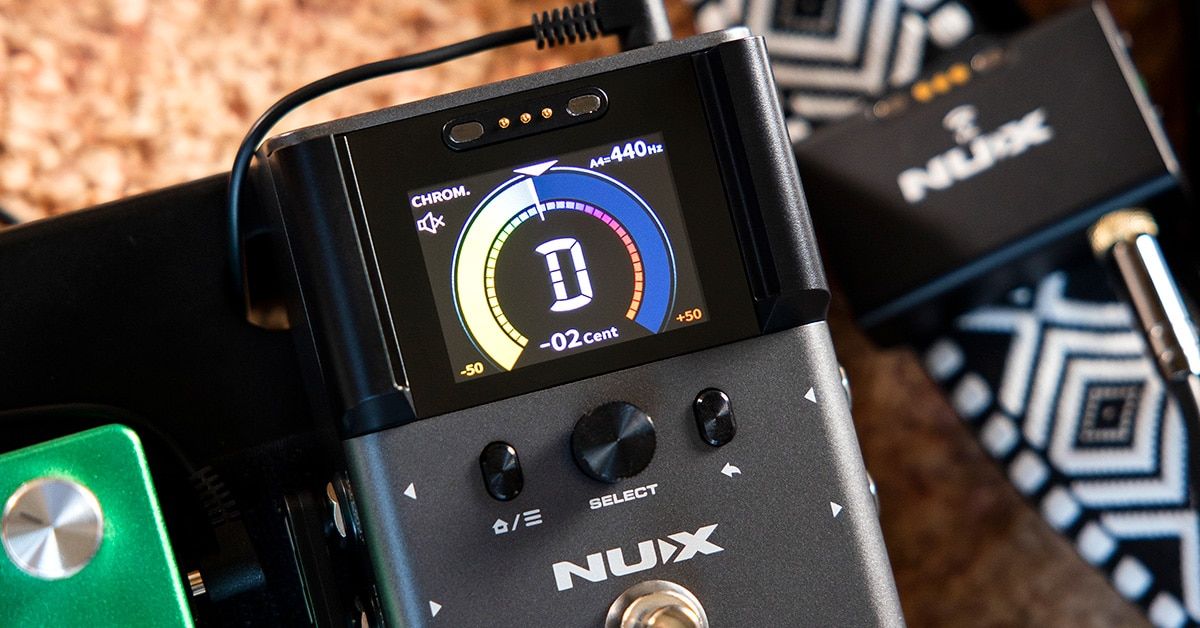
Shop Now: NUX B-1 LITE 2.4GHz Wireless Guitar System
3. Cable Liberation Inspires Performance Rethinks
One of my pet peeves when I see a band is watching a guitarist’s eyes glued to their fingerboard. Yes, even the most talented players in the world peek at their fingers and fret markers occasionally. And no, a cable is not directly to blame for this habit.
However, it’s extremely uninspiring to experience a band of lackluster “statues” constantly giving their fingerboards more attention than the audience. It is the opposite of entertaining.
Admittedly, going wireless won’t magically transform a fingerboard-obsessed isolationist into a crowd-pleasing force of nature, such as Prince, Lita Ford, Jimi Hendrix, St. Vincent and other charismatic icons. But perhaps untethering a guitar—as well as recognizing all of the expressive possibilities that act creates—might also free one’s mind to reevaluate their stagecraft. After all, it would be baffling (and rather boring) watching a guitarist using a wireless system who never moves.

Shop Now: Xvive A58 Wireless Guitar System
4. Cutting Cords Streamlines Staging
Arena acts, such as Taylor Swift, U2, Beyoncé and Muse, have been performing on clean stages—no visible amps or monitors—for a few years now. The lack of obstructions enhances production values for audiences by inviting numerous dancers and choregraphy, multiple video screens and 360-degree placement of LED lighting (including the stage itself). In addition, the chance of feedback is nullified for the most part as onstage monitors and amps aren’t bleeding into vocal mics.
Today, clean stages are not solely the domain of popular artists with big budgets. Portable lighting rigs, in-ear monitors, modeling processors with cabinet emulation and, yes, wireless guitar and microphone systems, are now affordable enough that many club bands can offer clean stage experiences at local venues.
This is huge.
Artists and venues seeking elevated and more compelling ways to bring people into shows can blast ahead of conventional show presentation by incorporating multimedia elements into their performances. If you’re thinking of going that direction, you’d better consider a wireless guitar system to join the party, because no cables will be invited.

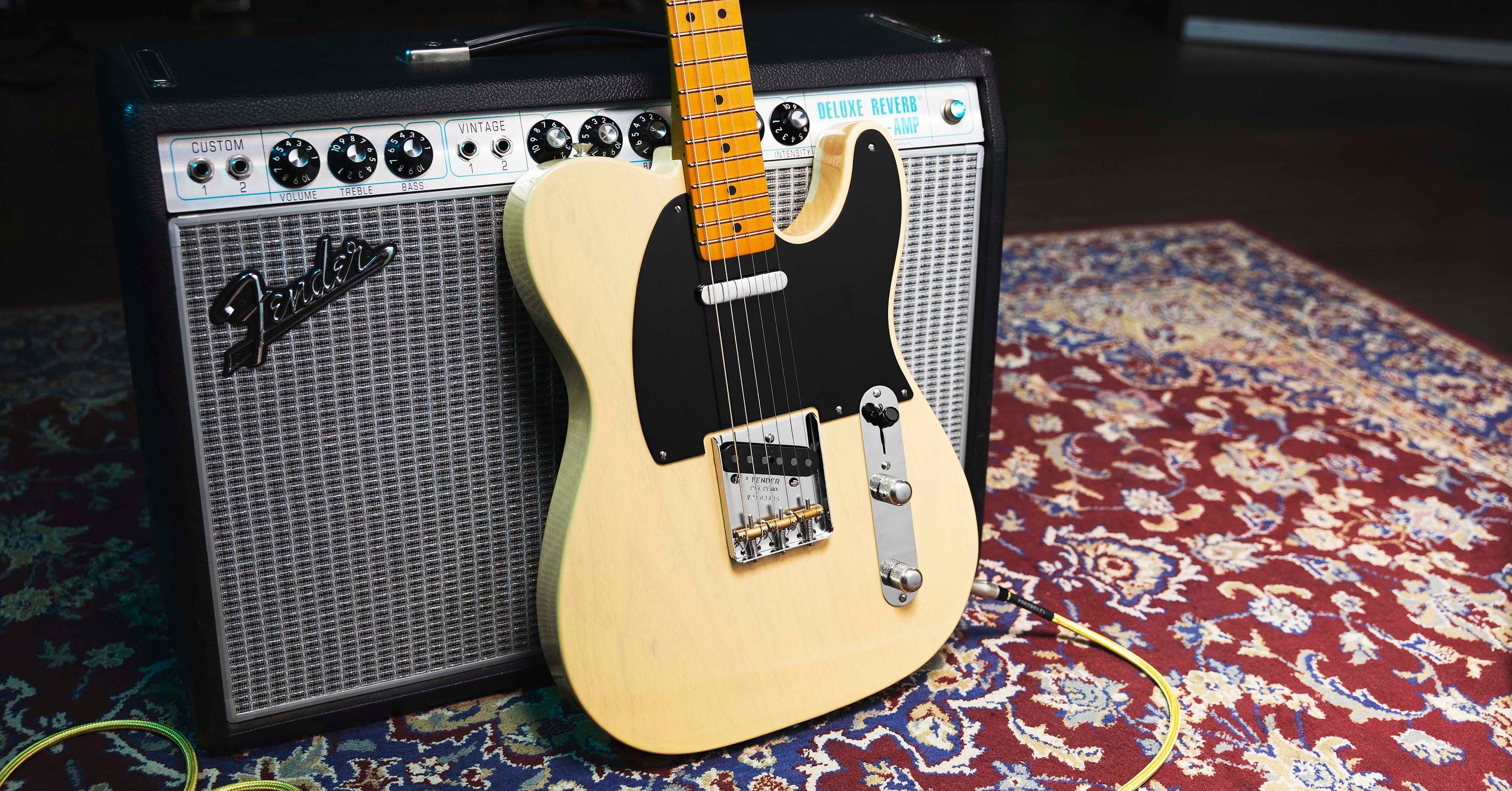
Shop Now: Fender Telepath Wireless Guitar System
5. No Wires = No Shock Worries
You may think this is a lame reason why going wireless can enliven your show, but getting shocks from a microphone can definitely put the brakes on your enthusiasm. It happened to me recently in a very nice, commercial rehearsal facility. The house technician sorted it out quickly, but I spent the evening gingerly approaching the mic that stung me. If I had brought my wireless system to the session, I wouldn’t even be writing this bit.
And here’s an interesting story: The Schaffer-Vega Diversity System got a big financial boost from KISS during its development, but it wasn’t because of cutting the band’s cables. KISS was more concerned with safety as Ace Frehley had been knocked unconscious during a concert on December 12, 1976, when 220 volts surged through him as he grabbed a metal railing while plugged into his guitar and amp.
Stage electrocutions are not a thing of the past, either. On July 13, 2024, Brazilian rocker Ayres Sasaki was killed after embracing a soaking wet fan during a performance in Salinopolis. The source of the fatal jolt was a cable.
From avoiding annoying shocks to not even thinking about the infinitesimal chance of electrocution, going wireless helps me stay in the moment and focus exclusively on the crowd. It’s a very small thing, yes, but if you’ve ever been nipped by Reddy Kilowatt, knowing Mr. Kilowatt will not make an appearance onstage is a quite reasonable motivation for using a wireless guitar system.

Pictured: Xvive U2 Wireless Guitar System
Get the Gig
As I’ve alluded to throughout this article, it’s not a given people will arrange the time (especially if child care is involved), drive to the venue, brave parking hassles, worry about personal safety (if the club is in a sketchy area), pay entry fees and absorb the impact of a late night on the town to see your show.
More and more artists may need to dazzle up their stage presentation to offer “events” that entice fans to make the scene. Promoting a stunning stage show can be especially critical post-COVID, as many venues (depending on where you live) have either closed or are struggling, and bookers are generally cautious regarding who they hire. (In Northern California, some venues study a band’s social networking engagement to determine if it really has the juice to put butts in seats.)
While it can be a lot of pressure booking decent gigs in my hood these days, I’m happy to do my part to make our show “marketable” by going wireless, producing content for a club’s video screens and ensuring the stage is mostly clear for (hopefully) enjoyable monkeyshines. Don’t miss an opportunity to upgrade your performance’s thrill factor—cut the cord.
Written By: Michael Molenda
Michael Molenda is a content strategist, editor and writer for Guitar Center, where he has worked since 2022. He is the longest-serving Editor in Chief of Guitar Player (1997-2018), and former Editorial Director of Bass Player, EQ, Keyboard, Electronic Musician, Gig and Modern Drummer. A guitarist, drummer, bassist and producer, Mike co-owned three pro recording studios in San Francisco, and performs with Surf Monster and The Trouble With Monkeys.
Recently Added to Gear Tips
Be the first to know about exclusive offers, tips and more.

866-498-7882 English
877-687-5402 Español