.jpeg)

Pro Gear Advisers
•866-498-7882
When It's Time to Consider a Custom Shop Guitar
Guitarists are inveterate tinkerers. We’ll swap pickups before breakfast, replace tuners at lunch and convince ourselves that this bridge—or maybe that neck—will finally unlock the sound living in our heads. I’ve owned production guitars that got astonishingly close to perfect, maybe 90% of the way there. But that last, stubborn 10%? That’s where the real chase begins.
And sometimes, that’s exactly where a custom shop steps in.
When production models stop evolving with your touch, your technique and your ear, it might be time to look at something built specifically around you. Let’s talk about when that moment arrives.
Touch: Dialing In Playability, Feel and Neck Geometry
For experienced players, feel isn’t a luxury—it’s the foundation of their technique. A production guitar can get remarkably close, but neck shapes, shoulder depth, fret size, edge roll, radius transitions and even the way a finish interacts with your palm become deeply personal over time.
If you’ve hit the wall where you’re fighting an instrument instead of flowing with it, a custom shop build can let you specify everything from a simple custom color to the exact feel your hands respond to naturally, as the Fender Custom Shop Design Guide shows. It’s the difference between adapting to a guitar and having a guitar that already understands you before you play the first note.
Tone: Shaping the Exact Sound You’ve Been Chasing
Chasing tone is a lifelong, occasionally maddening pursuit. You may love a production guitar’s general character but still feel like something isn’t quite translating—pickup voicing that’s nearly there, EQ curves that need massaging, hardware resonance that just misses the sweet spot. Custom shop instruments allow you to lock in the sonic fingerprint you’ve been hearing in your head. From carefully matched wood density to handwound pickups to premium pots and caps with tight tolerances, everything contributes to achieving a sound that reacts to your touch instead of forcing you to work around limitations.

Pictured: Fender Custom Shop Jeff Beck Signature Stratocaster NOS in Surf Green
Trim: Getting the Fit, Finish and Aesthetics Just Right
This is where personal taste meets craftsmanship. Production guitars come in great finishes, but a custom shop takes the details to another level—nitro lacquer aging, relic artistry, matching headstocks, custom color mixes, period-correct plastics, boutique hardware and meticulous fretwork. You’re not paying for “fancy.” You’re paying for harmony between the visual and tactile elements of the instrument—the stuff that makes you smile every single time you open the case. Inspiration is a renewable resource, and custom shop instruments know how to feed it.
Tuning Stability: Building an Instrument That Stays True on Stage
Anyone who gigs regularly knows the anxiety of a guitar that won’t quite stay in line—temperamental nuts, inconsistent tuners, vague bridge geometry or unstable neck seasoning. Custom shop instruments are built with an almost obsessive focus on stability. Precision-cut nuts, premium hardware, dialed-in break angles and carefully seasoned woods mean the guitar stays solid through climate changes, stage lights and aggressive playing. When you’re at the point in your musical life where reliability is non-negotiable, this level of craftsmanship becomes a quiet superpower.

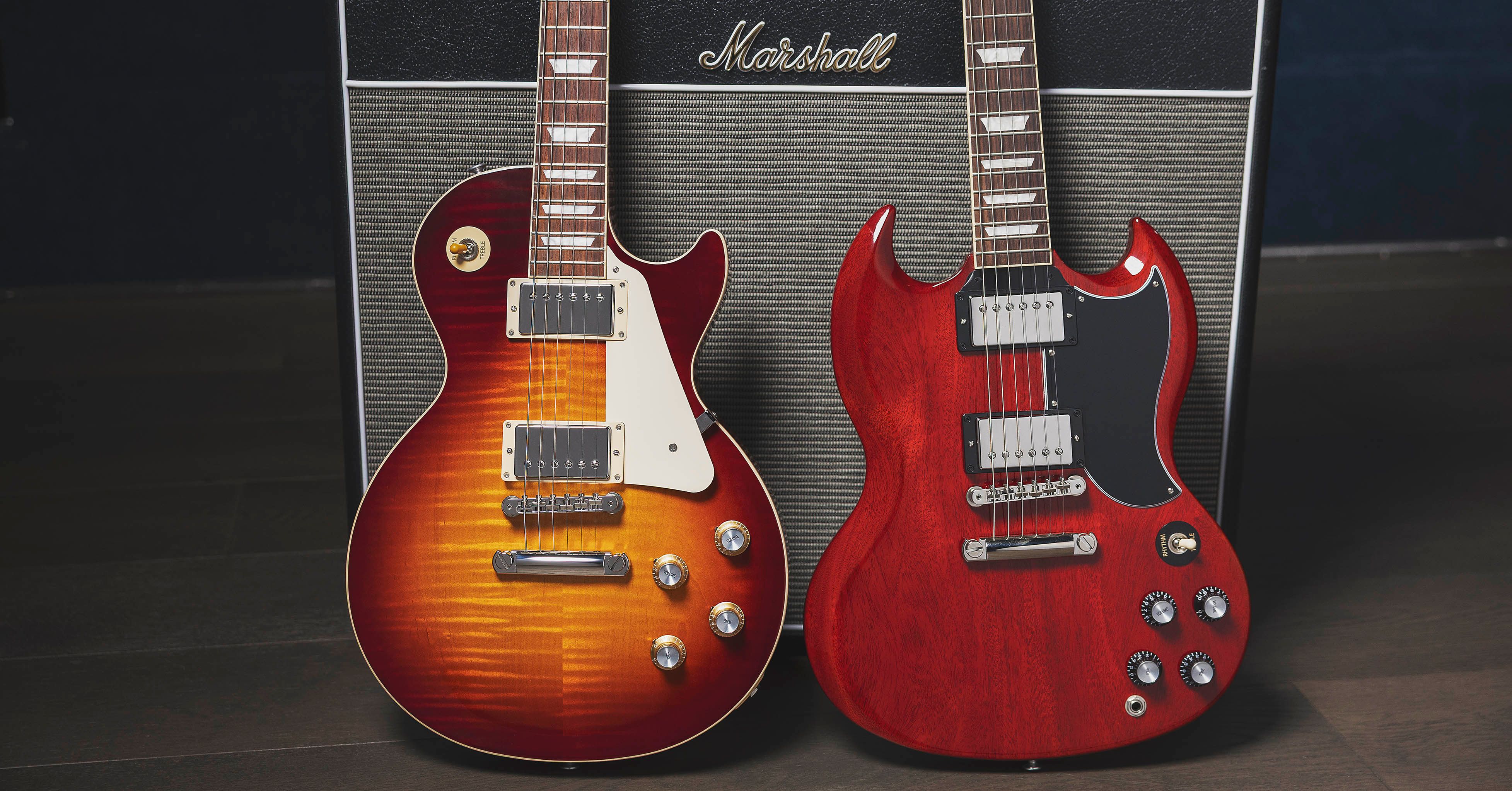
Pictured: Gibson Custom 1956 Les Paul Goldtop Reissue VOS in Double Gold
Tolerances: Getting the Precision Production Models Can’t Guarantee
Even the best factory instruments are built around ranges. A pot may be nominally 500k—but land anywhere from 420k–550k. A neck carve might vary enough from unit to unit—even with modern CNC neck carving—that two “identical” guitars feel unrelated. A custom shop build collapses those ranges into exact targets. You get the neck profile you want, the electronics values you specify, the weight you request and the resonance you expect. For serious players who know what they like—and what they don’t—this consistency is worth its weight in gold.
Translation: When the Guitar Reacts to You Like a Musical Partner
This is where everything comes together—the way an instrument converts your hands, phrasing and dynamics into sound. A great custom shop guitar tends to disappear in the best possible way. It becomes a conduit between intention and expression, translating nuance so cleanly that you forget about the gear and focus purely on playing. When you reach the point where inspiration is being bottlenecked by an instrument that almost—but not quite—keeps up with you, that’s a sign the custom shop might not be indulgence but necessity.

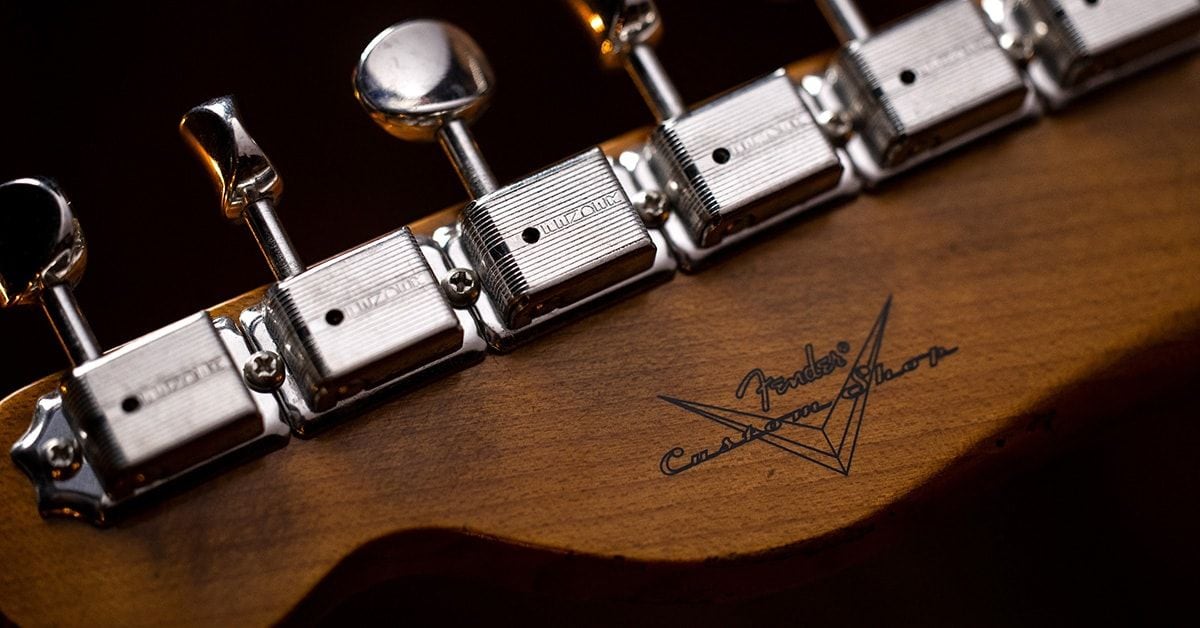
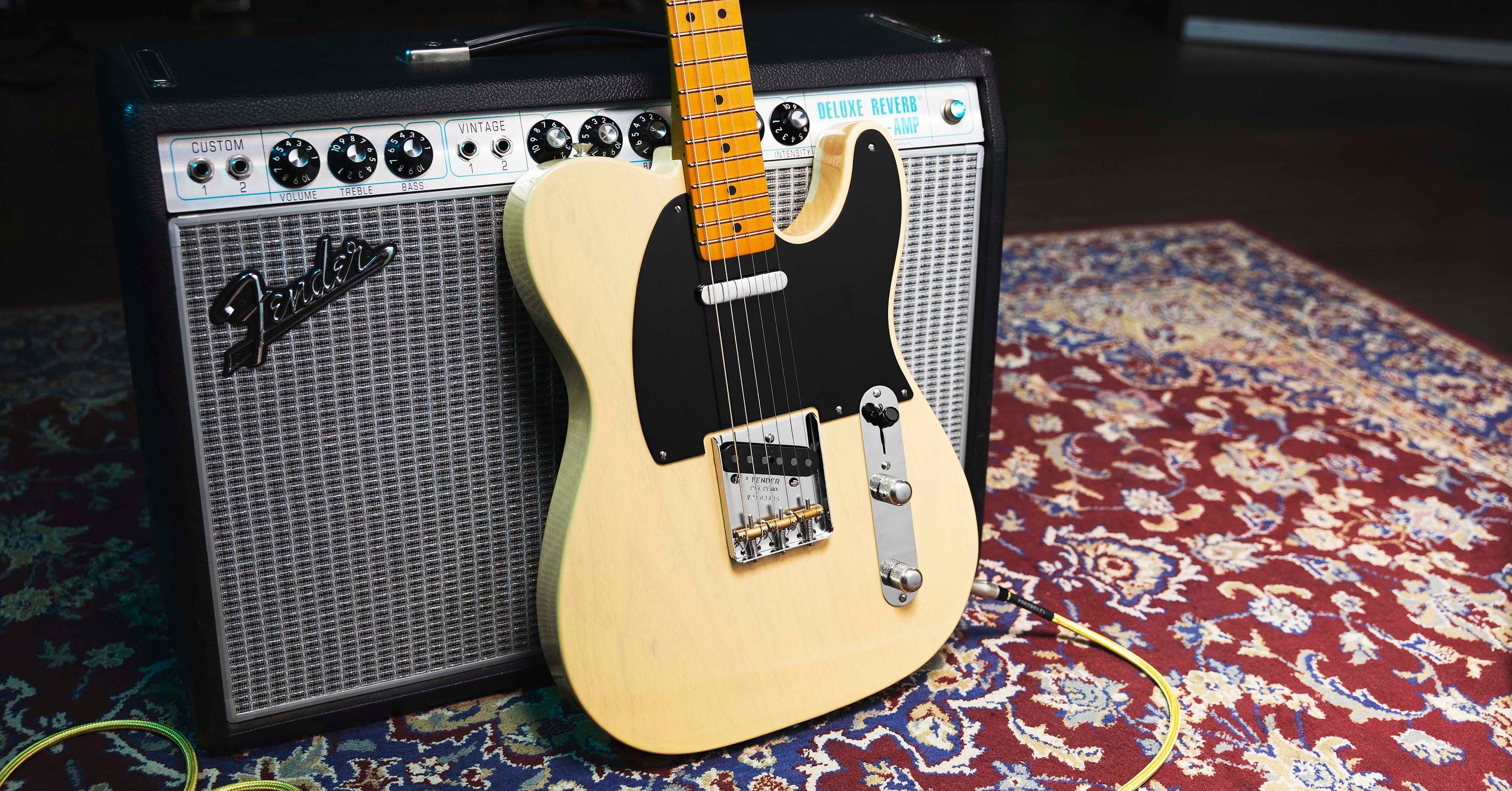
Pictured: Fender Custom Shop Limited-Edition Texas Telecaster Heavy Relic in Gold Metal Flake
Tying It All Together
If you found yourself nodding along to any of this—recognizing the frustrations, the aspirations or that stubborn last 10% you just can’t seem to reach—then it may be time to stop by your local Guitar Center or connect with your Gear Adviser about what a custom shop build could do for you.
Fender, Gibson and a growing list of boutique builders all offer paths toward an instrument built around your hands, your ear and your musical identity.
Speaking personally, my own custom-built guitar—a small boutique shop build of a tobacco sunburst thinline Telecaster-style guitar with a Fender CuNiFe Wide Range in the neck, Duncan Broadcaster in the bridge and a Fralin custom-wound Dynasonic in the middle on an independent stacked pot so I can blend it in anywhere—remains one of the most rewarding decisions I’ve made as a player. When your instrument becomes an extension of your voice—not a barrier to it—the creative doors it opens are worth every penny.
Written By: George Van Wagner
George Van Wagner is a writer and editor for Guitar Center, where he has worked since 2007. A multi-instrumentalist, freelance recording engineer, arranger, composer, writer and all-around tech geek, he has over 30 years of experience in the musical instrument industry at companies like Midiman/M-Audio and Line 6, doing everything from customer service and writing user manuals to working in product development. He is currently gigging around Los Angeles with Gruppo Subconscious and Bobby “Hurricane” Spencer.
Recently Added to Gear Tips
Be the first to know about exclusive offers, tips and more.

866-498-7882 English
877-687-5402 Español