.jpeg)

Pro Gear Advisers
•866-498-7882
A Look at the Tech Inside Yamaha TransAcoustic Guitars
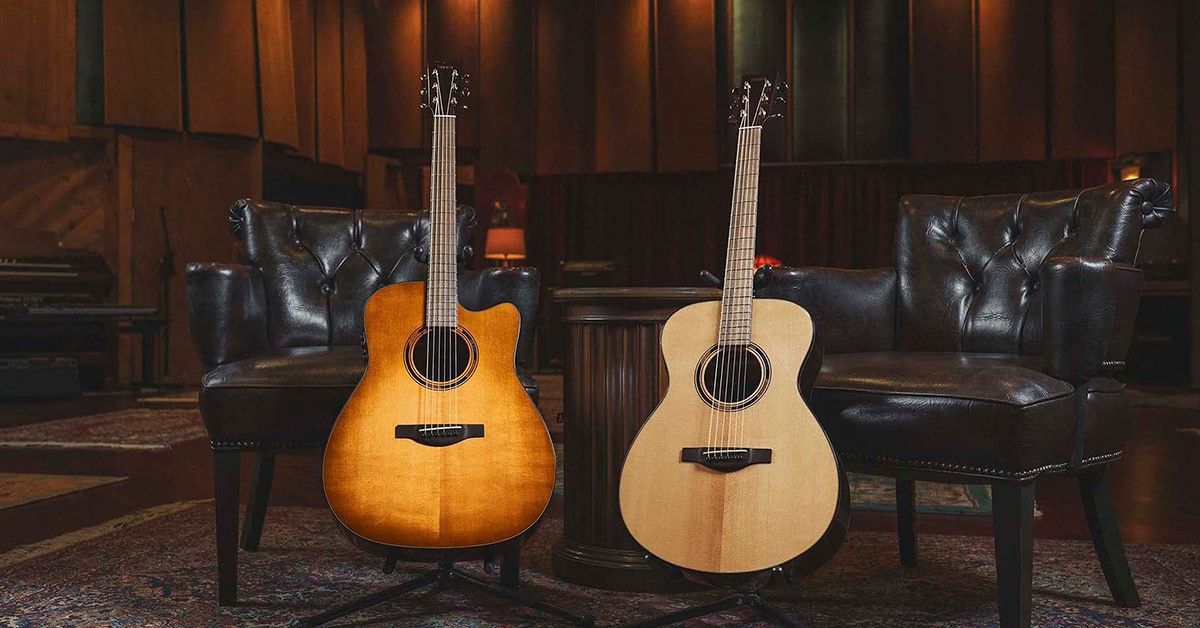

At the crossroads of technology and tradition, you’ll find Yamaha TransAcoustic guitars. These innovative instruments utilize built-in effects—including reverb and chorus—to enhance organic acoustic tone with additional depth and richness.
The series’ ethos is simple: TransAcoustic guitars emulate the experience of playing in a lively, vibrant room. If you’ve ever strummed a tune in a space with a lot of natural reflections, you’ll understand how immersive and inspiring it is to be enveloped in sound. With a Yamaha TransAcoustic guitar, you can tap into those inspirational sonics anytime, anywhere.
In this article, we’ll provide an overview of the tech inside these instruments and then take a look at several popular second-generation models.
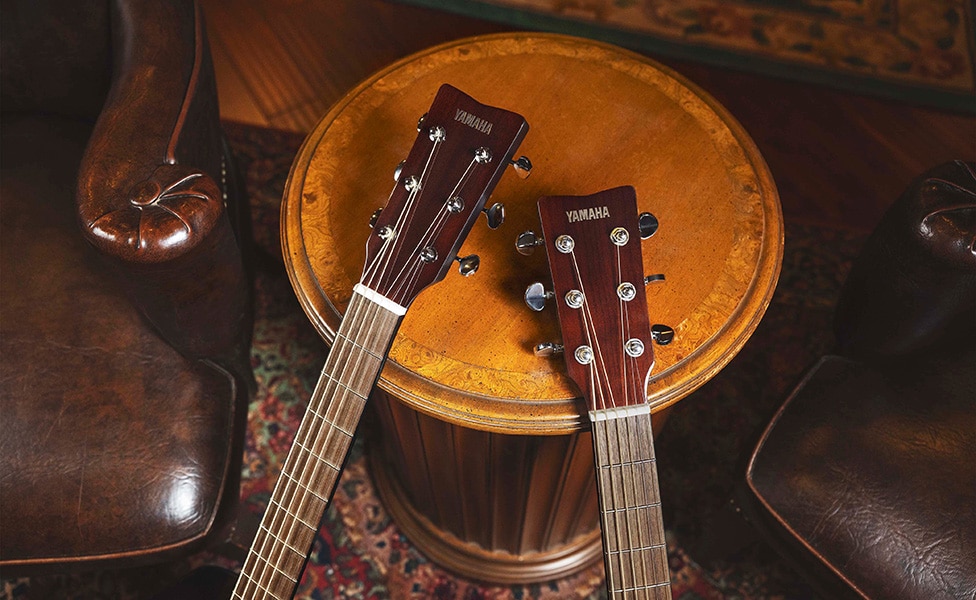
Pictured: Yamaha TransAcoustic TAG1 C and TAS1E Headstocks
How Does TransAcoustic Technology Work?
Yamaha originally developed TransAcoustic tech for piano as a way to leverage the instrument’s acoustic resonance to amplify digital effects. When they successfully implemented the system, the logical next step was to see if it could be done on acoustic guitar. After all, both instruments consist of wood and strings. Here’s how it works:
When you fire up the electronics on a TransAcoustic guitar, a bridge-mounted piezo pickup captures the sound and sends it to a circuit board inside the instrument. The analog signal gets converted to a digital one that’s passed through an effects processor, before being converted back to analog and sent through an amplification stage.
The amplification stage relies on internal actuators installed beneath the guitar’s top. When you strum a chord or pick out a melody, the actuators resonate in response to string vibration, turning an electrical signal into sound waves. Those waves are physically transferred to the guitar’s body before openly resonating through the surrounding air.
At this point, the instrument is basically functioning as a speaker. Pretty neat, huh?
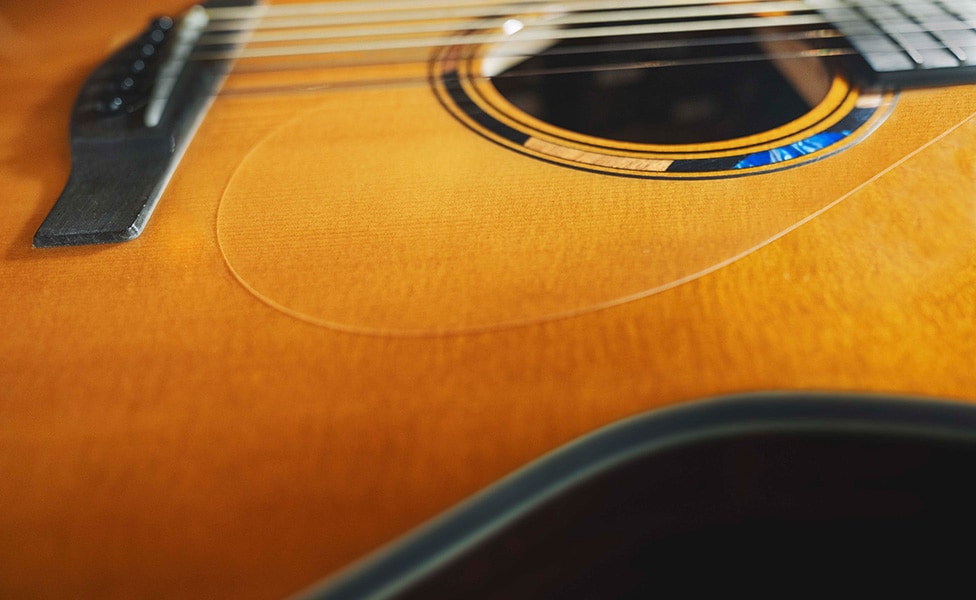
Pictured: Yamaha TransAcoustic TAG1 C Acoustic-Electric Guitar Pickguard
SYSTEM70 vs. SYSTEM78 Electronics
Powering TransAcoustic guitars are Yamaha’s proprietary SYSTEM70 and SYSTEM78 electronics (there’s also a SYSTEM76, but it isn’t found in the instruments we’ll be discussing later).
SYSTEM70 was developed for first-generation TransAcoustic models, runs on two AA batteries and uses three upper bout-mounted rotary knobs to control volume and effects.
The upgraded SYSTEM78 debuted with second-generation guitars. It’s powered by a rechargeable Li-ion battery and features an expanded, yet refined, control layout, consisting of four space-saving button knobs arranged around a central power button. This fresh design allows less body wood to be removed and preserves more of the guitar’s natural acoustic tone and resonance.
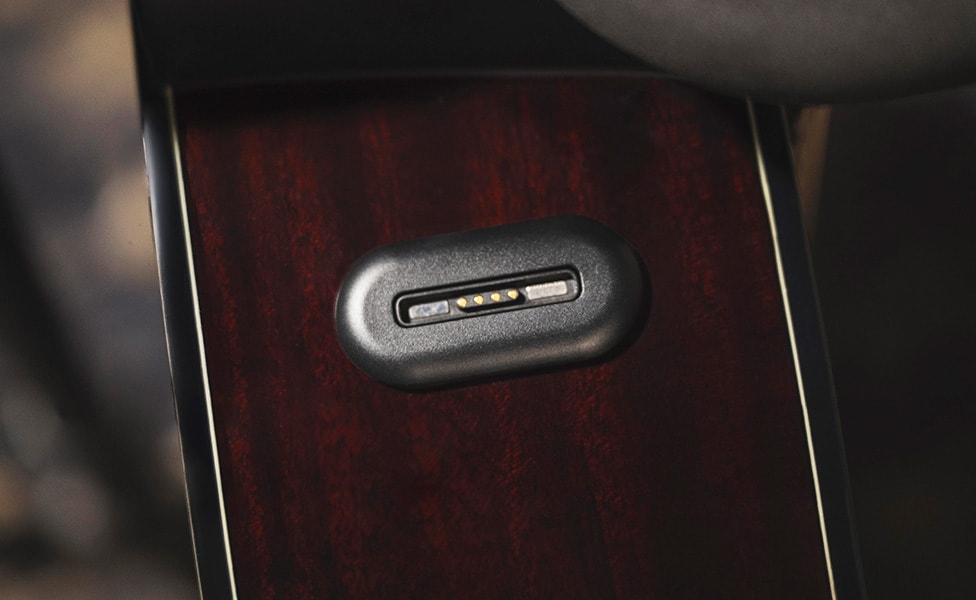
Pictured: Yamaha TransAcoustic TAG1 C Acoustic-Electric Guitar Magnetic Charging Connection
Built-in Effects
SYSTEM70 electronics offer two types of reverb and one style of chorus. With SYSTEM78, you have access to three kinds of reverb, two types of chorus and two delays. The companion TAG Remote app lets you adjust effect parameters and edit loops, providing complete control over the system to truly customize your sound.
Bluetooth Integration
SYSTEM78 also introduced Bluetooth connectivity. You can stream songs or backing tracks from your mobile device that then play back through the guitar itself, translated by the actuators. This unique feature is great for singer-songwriters who can essentially power an entire mix—complete with guitar effects dialed to taste—from their instrument.
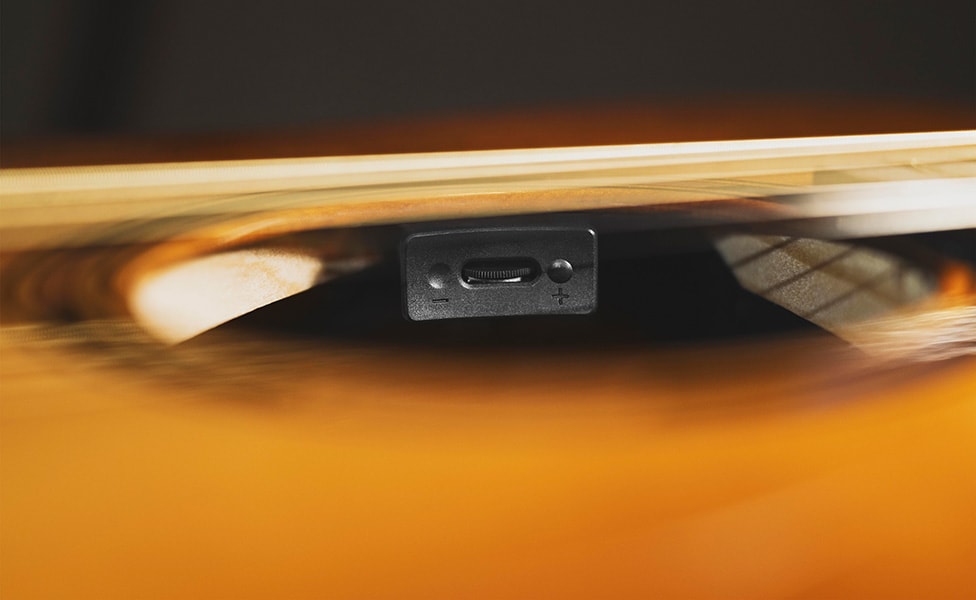
Pictured: Yamaha TransAcoustic TAG1 C Acoustic-Electric Guitar Soundhole Controls
Comparing Yamaha TransAcoustic 2nd Gen Models
|
Model |
Body Shape |
Top/Back & Sides |
Neck/Fretboard |
Electronics |
Price* |
|
Dreadnought cutaway |
Sitka spruce/mahogany |
Mahogany/walnut |
SYSTEM78 |
$1,399.99 |
|
|
Concert cutaway |
Sitka spruce/mahogany |
Mahogany/walnut |
SYSTEM78 |
$1,399.99 |
|
|
Dreadnought |
Spruce/mahogany |
Mahogany/walnut |
SYSTEM70 |
$879.99 |
|
|
Concert |
Spruce/mahogany |
Mahogany/walnut |
SYSTEM70 |
$879.99 |
Pricing as of July 2026*
Yamaha TransAcoustic TAG1 C and TAS 1 C
Yamaha TransAcoustic TAG1 C and TAS1 C are cutaway models, notably featuring the latest SYSTEM78 electronics for an expanded range of effects, an onboard looper and Bluetooth integration. They’re constructed from traditional acoustic tonewoods—Sitka spruce and mahogany—and sound fantastic whether you’re using the electronics or not.
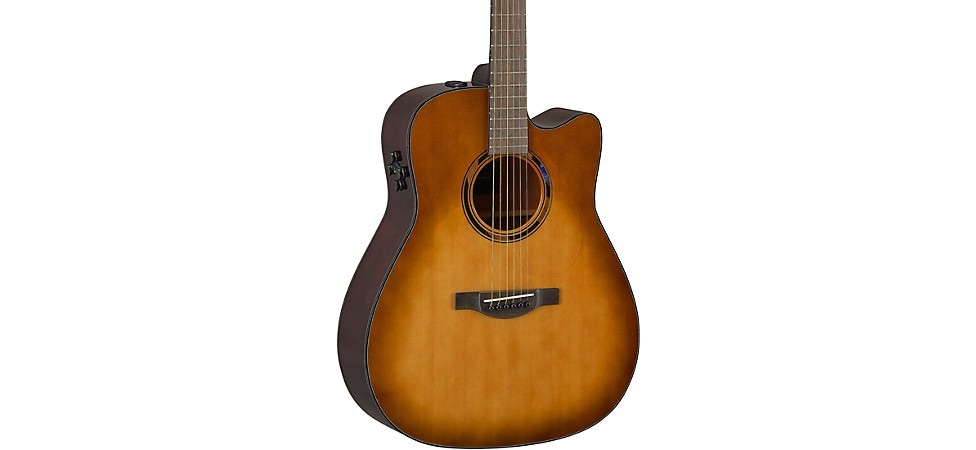
Shop Now: Yamaha TAG1 C TransAcoustic Dreadnought Cutaway Acoustic-Electric Guitar in Sand Burst
With dreadnought and concert cutaway bodies, you have cleaner access to the upper frets, and both guitars sport flat, 15.75" fingerboard radii to facilitate smoother bends and faster soloing, if that’s your thing. Their matte necks are easy to glide on, too.
The TAG1 C and TAS1 C are excellent if you want to maximize playability and get the most out of fully featured SYSTEM78 electronics.
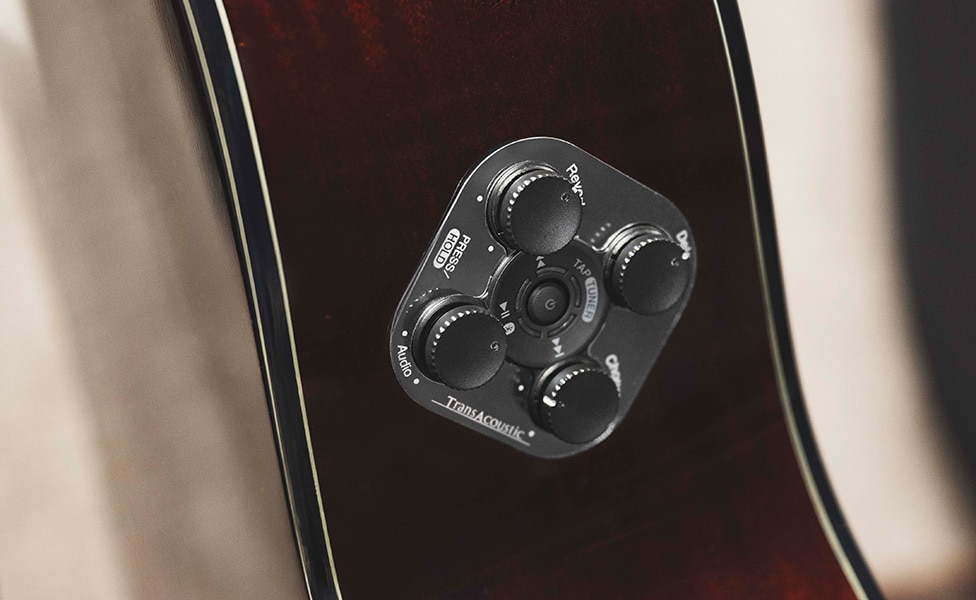
Pictured: Yamaha TransAcoustic TAG1 C Acoustic-Electric Guitar On-Board Controls
Yamaha TransAcoustic TAG1E and TAS1E
Next up, we have Yamaha TransAcoustic TAG1E and TAS1E guitars. They’re non-cutaway models running the more basic SYSTEM70 electronics. Like the ones above, however, these are standalone acoustic guitars first, built in the traditional fashion from popular tonewoods—TransAcoustic tech is the icing on top.
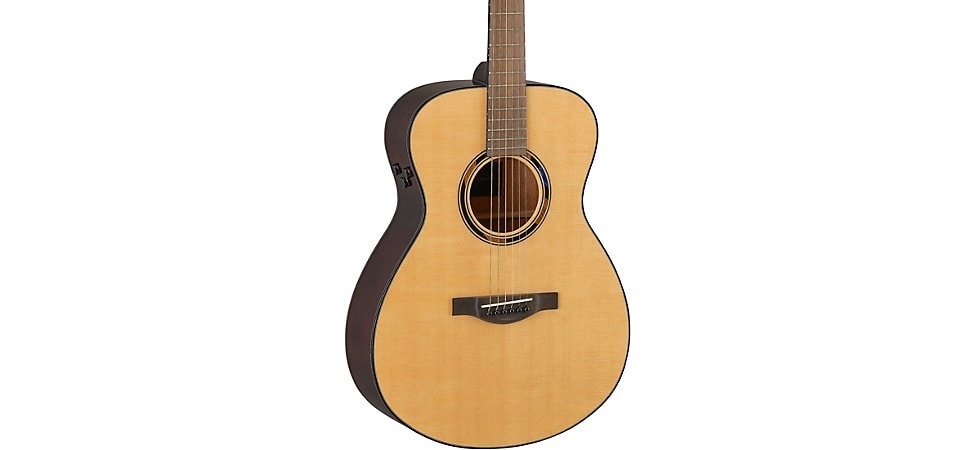
Shop Now: Yamaha TAS1E Element TransAcoustic Concert Acoustic-Electric Guitar in Natural
Apart from different electronics and body styles, many of the features in the TAG1E and TAS1E are consistent with the cutaways above, including the fingerboard radius, matte-finished neck and Elixir NANOWEB 80/20 Bronze strings from the factory.
If you want an introduction to the TransAcoustic world, then the TAG1E and TAS1E are streamlined, affordable options. What’s more, all four TransAcoustic guitars highlighted here come with a rigid gig bag.
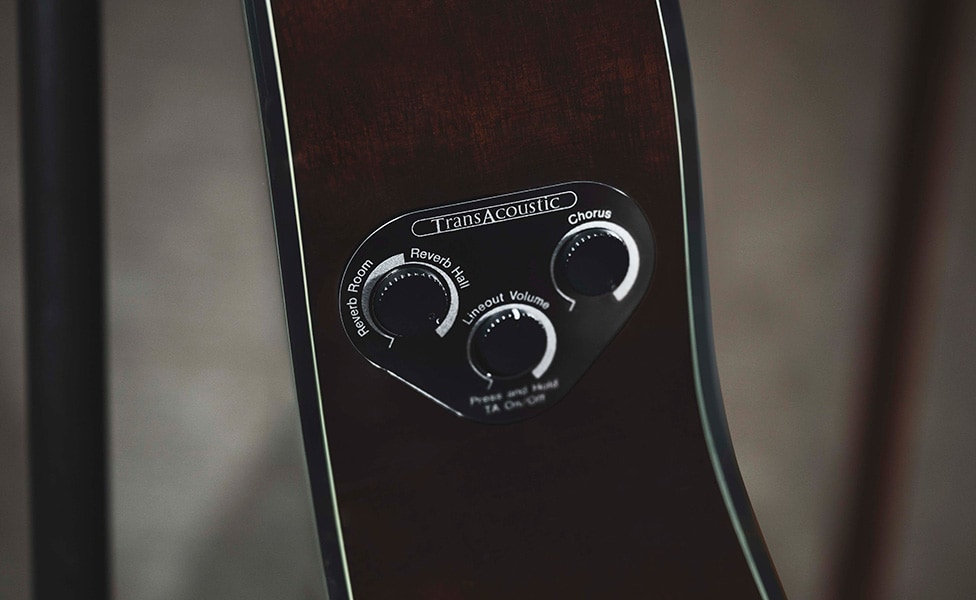
Pictured: Yamaha TransAcoustic TAS1E Element Acoustic-Electric Guitar On-Board Controls
Transform Your Sound
If you’ve never played a Yamaha TransAcoustic guitar before, we’d encourage you to stop by your local Guitar Center and experience one firsthand. The onboard effects are so natural it’s hard to imagine going back to a dry acoustic tone. Don’t forget, you can always connect with one of our expert Gear Advisers to learn more about these instruments.
Written By: Max McAllister
Max McAllister is an audio engineer, guitarist and writer. At the Brewery Recording Studio, he earned engineering credits on Kid Cudi’s Man on the Moon III, Duckwrth’s SuperGood and the LeBron James Space Jam compilation, among others. Max previously wrote for Produce Like A Pro, where he authored over 600 articles, and has also contributed to Adorama’s 42West. He’s proudly served Guitar Center as a senior writer since 2023.
Recently Added to Gear Tips
Be the first to know about exclusive offers, tips and more.

866-498-7882 English
877-687-5402 Español