Guitar Center logo
gear advisor icon
Pro Gear Advisers
866-498-7882
$269.00$299.00Save: $30.00 (10%)

GEARCARD
6-month special financing^ + $13 back in Rewards** Limited time Learn More

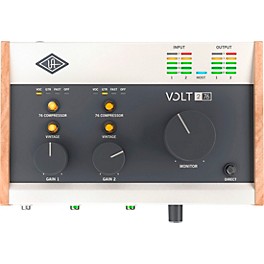
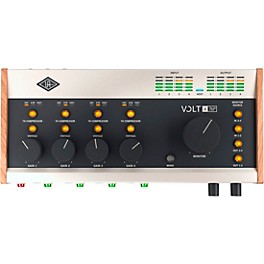
Universal Audio Volt 276 USB Audio Interface

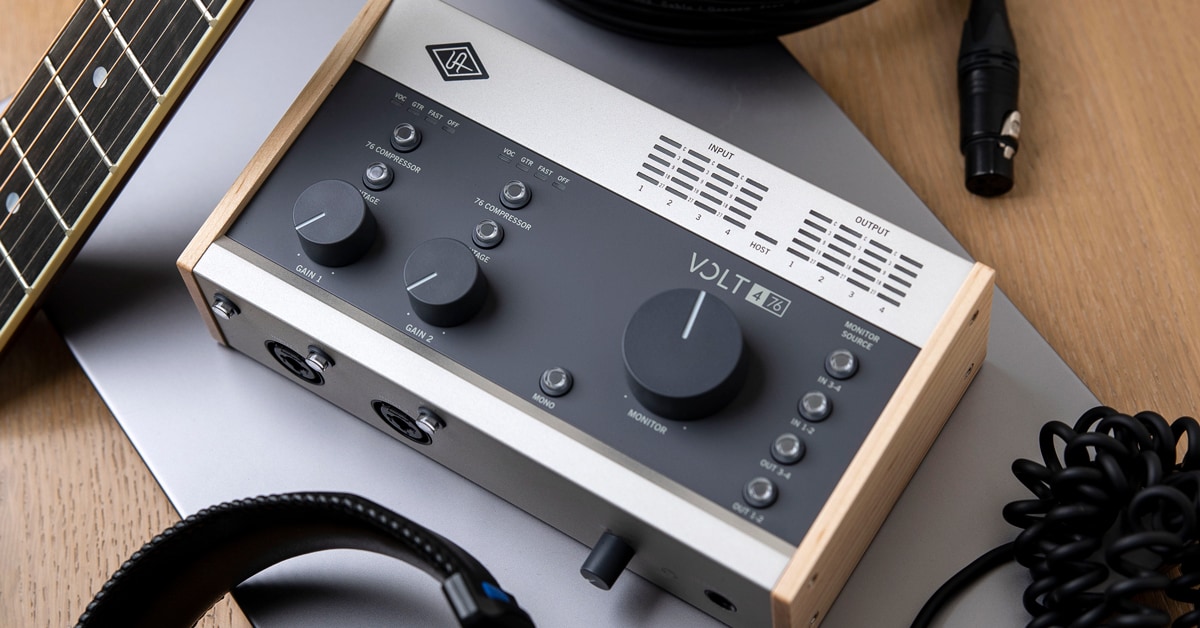
The Universal Audio Volt 276 USB interface puts classic studio sounds in reach of singers, musicians and anyone who wants to record great audio.

Universal Audio’s Volt 276 is a 2-channel desktop recording interface for Mac/PC and iPad/iPhone that delivers 24-bit/192kHz audio conversion, selectable 76 Compressor and Vintage mic preamp modes and a suite of industry-leading software. With a 2-in/2-out USB interface, professional conversion for Mac, PC, iPad and iPhone is attainable. The Volt 276 features top-of-the-line audio quality in a retro-inspired industrial design, making it easy to create professional-sounding music productions, livestreams and podcasts at home or on the road. Built-in vintage-style mic preamps and tone shaping bring the rich, full sound of classic UA outboard gear to your studio. It includes a full suite of audio and music tools from Ableton, Relab, Melodyne, UJAM, Marshall, Ampeg and more, giving you all the creative control and flexibility you need.

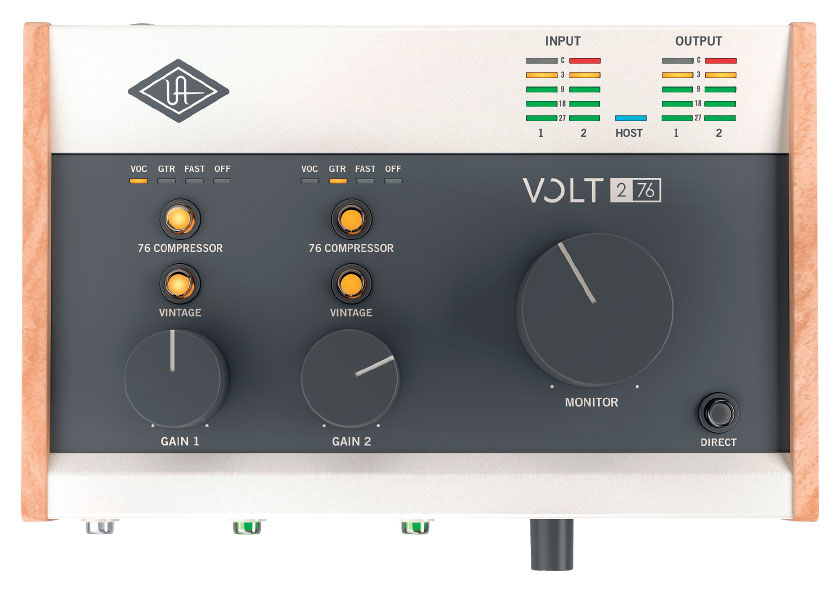
The Volt 276 interface employs emulation circuity to capture the warm sound of a vintage UA 610 tube preamp. It also includes the legendary 76 compressor.

Collaborate With Best-in-Class Audio Quality

From the team that brought you the game-changing Apollo interface, Volt 276 delivers superior studio sound quality, with more character and tone than any USB interface in its class. 

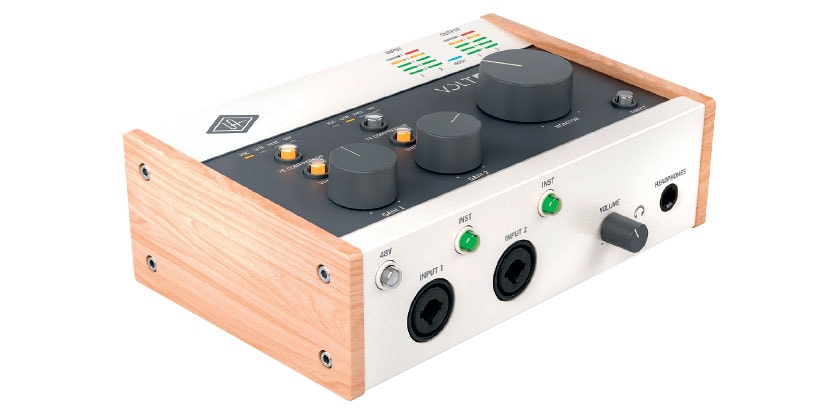
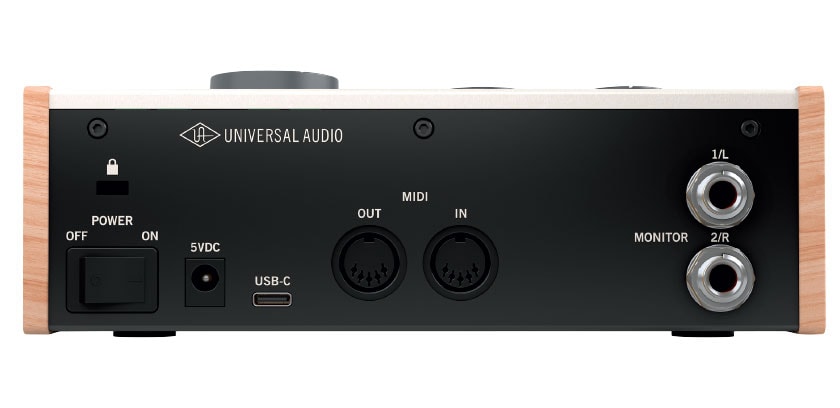
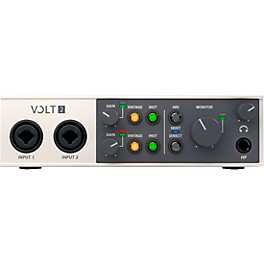
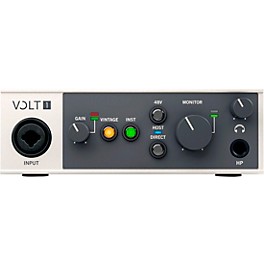
The Volt 276 has two combination 1/4"/XLR input for instruments, condenser and dynamic mics. It also has MIDI in/out and headphone amplifier.

Capture Classic Vocals With Vintage Mic Preamp Mode

Few sounds can compare to a vintage Universal Audio 610 tube preamp, as used to record everyone from Ray Charles to Van Halen. Volt 276 gives you the rich, full sound of this classic UA mic/line/instrument preamp, thanks to its built-in tube emulation circuitry, a UA exclusive.

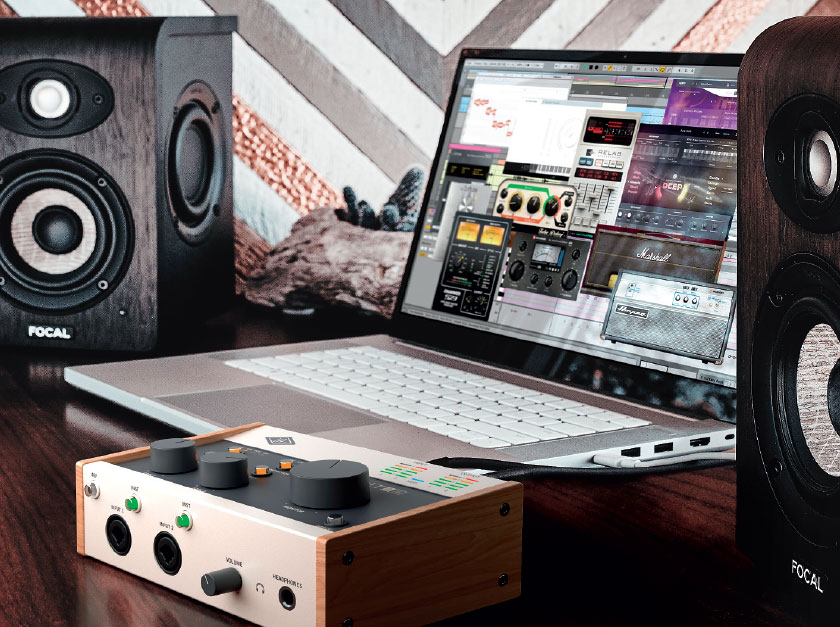
Universal Audio includes a full suite of software and audio plug-ins with the Volt 276 interface. There's no need to buy anything else.

Control Volume Peaks With UA Compression

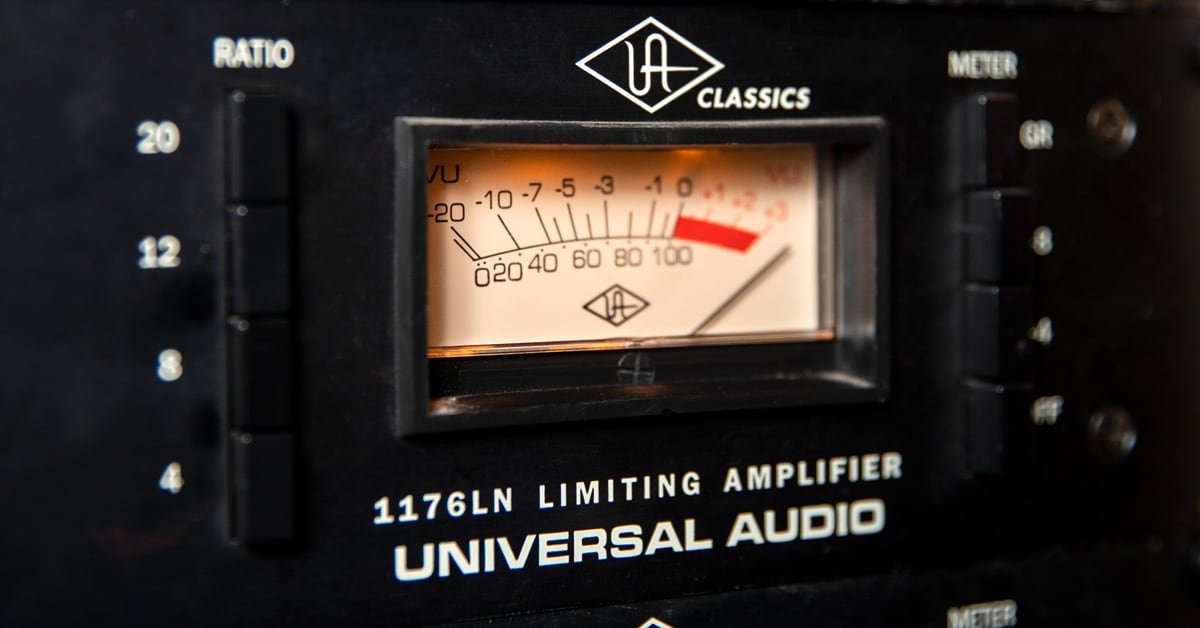
Get album-ready punch and presence with Volt 276's onboard 76 Compressor, an innovative analog circuit inspired by UA's classic 1176 Limiting Amplifier. The 76 Compressor features three perfectly tailored presets to tame voice, guitars, synths and drum machines. Just plug in, pick a setting and play.

Stay Inspired With a Curated Suite of Audio Software

Some audio interfaces give you a smattering of random audio apps. Not Volt. Instead, UA put together a bundle of serious music production tools, virtual instruments and plug-ins, including Ableton, Melodyne, UJAM’s Virtual Drummer, Marshall, Ampeg and more.

Easy In, Easy Out

Volt 276 gives you simple 2-in/2-out audio connections. Just plug your mics, guitars or synths into the front panel. Then connect your speakers or headphones to monitor your audio with no latency. With Volt, you'll be creating like a pro, fast.

iPad and iPhone Ready

If you're traveling light, plug Volt 276 right into your iPad or iPhone, and you can easily create beats and samples, record your band’s rehearsals and edit songs anywhere.

Includes a 30-day Free Trial to UAD Spark

Volt 276 users get an extended 30-day free trial to UAD Spark, an ever-expanding library of world-class plug-ins and instruments for a low monthly price. UAD Spark plug-ins run natively on Mac and will give your recordings the pro analog tones heard on your favorite albums.

Capture Inspiration for Years to Come

Featuring rugged metal construction, retro wood sides and sleek industrial design, Volt 276 elevates your production space with impeccable style, built to last decades.

 
More Details

Audio Interfaces

Unlock high-quality computer recording with an audio interface! This crucial piece of gear acts as the bridge between your microphones, instruments, and your computer, converting analog sound into digital data and back again. Essentially the heart of any modern home or project studio, a good audio interface ensures your recordings capture clear, detailed sound. Connected typically via USB or Thunderbolt, these devices range from simple two-channel boxes to complex multi-input units, providing the essential connections for musicians, podcasters, and creators.

1-24 out of 1719 products

Special Financing Available
Learn More
Special Financing Available
Learn More
Special Financing Available
Learn More
Special Financing Available
Learn More
Special Financing Available
Learn More
Special Financing Available
Learn More
Special Financing Available
Learn More
$30.00/mo.‡ with 24-month financing*
Learn More
Rebate
Price Drop
$42.00/mo.‡ with 24-month financing*
Learn More
Rebate
Special Financing Available
Learn More
Special Financing Available
Learn More
Price Drop
Special Financing Available
Learn More
Special Financing Available
Learn More
Special Financing Available
Learn More
Special Financing Available
Learn More
Special Financing Available
Learn More
Special Financing Available
Learn More
Special Financing Available
Learn More
Special Financing Available
Learn More
Special Financing Available
Learn More
Special Financing Available
Learn More
Special Financing Available
Learn More
$21.00/mo.‡ with 24-month financing*
Learn More

1-24 out of 1719 products

 
Blog Carousel 09 - Find the Right Recording Gear When you come right down to it, an audio interface is anything that lets you get audio signals in and out of your computer. The challenge in picking one is that there are so many ways of getting it done, and it will all depend on how you like to work and what you're trying to do. A very basic interface would be simply a box that converted analog audio to digital audio that the recording software in your computer can understand, and convert it back to analog audio when you want to hear it. Such converters are referred to as AD/DA (analog to digital/digital to analog) converters. Better quality converters have what's called "jitter correction" to compensate for small timing variations.

Most interfaces are far more than just converter boxes. They include mic preamps, multiple I/O (Input/Output) connections—balanced, unbalanced and digital—and even internal DSP (Digital Signal Processing) for effects, EQ and basic monitor or sub-mixing user. Some units can even act as a simple, stand-alone mixer without a computer attached for use as a basic live sound mixer.

One of the biggest determinants of overall audio quality in an audio interface is the quality of opamps (operational amplifiers) used in construction. Better systems will use lower-noise, lower-distortion components, or in some cases, discrete components rather than single-chip solutions. The number of I/O connections can be a deciding factor. The basic interfaces will be 2-in/2-out, able to handle a vocal and instrument together or a stereo pair of mics for capturing a live event. From there, you can expand as far as you need, depending on what you want to invest in your system. Interfaces with 18 inputs and 22 outputs are not uncommon and will handle most users needs, but you can go far larger with a full-blown Pro Tools HD rig, if that's what is required.

The final consideration is connectivity. There are multiple ways of connecting an audio interface to your computer—USB, FireWire, a PCI slot for desktop systems or Apple's Thunderbolt connection on newer Macintosh computers—all of which have different strengths and weaknesses. USB interfaces tend to be smaller, with most mobile interfaces using USB connections, but can be less robust when you need a lot of simultaneous ins and outs. FireWire, also called IEEE 1394, is fast and robust, but generally requires an external power supply. PCI cards are the fastest with the most bandwidth, but are tied to tower and desktop systems, so will be confined to a single studio location. Some of the more popular brands for interfaces are Akai, Apogee, Avid, Focusrite, M-Audio, MOTU, Presonus, Roland, Tascam and Yamaha, though there are many others. The best interface is the one you're going to use, so spend some time with the Pro Audio specialists at Guitar Center so they can help you find exactly the right one.

In addition to the mainstream audio interfaces described above, our GC Pro team of experts offers hands-on sales and support for professional solutions such as Avid HDX Systems and the Focusrite Rednet series. These solutions are typically used in recording studios, post facilities and other professional settings.