

Pro Gear Advisers
•866-498-7882
Vintage Spotlight: 1967 Rickenbacker 4005 Bass Guitar
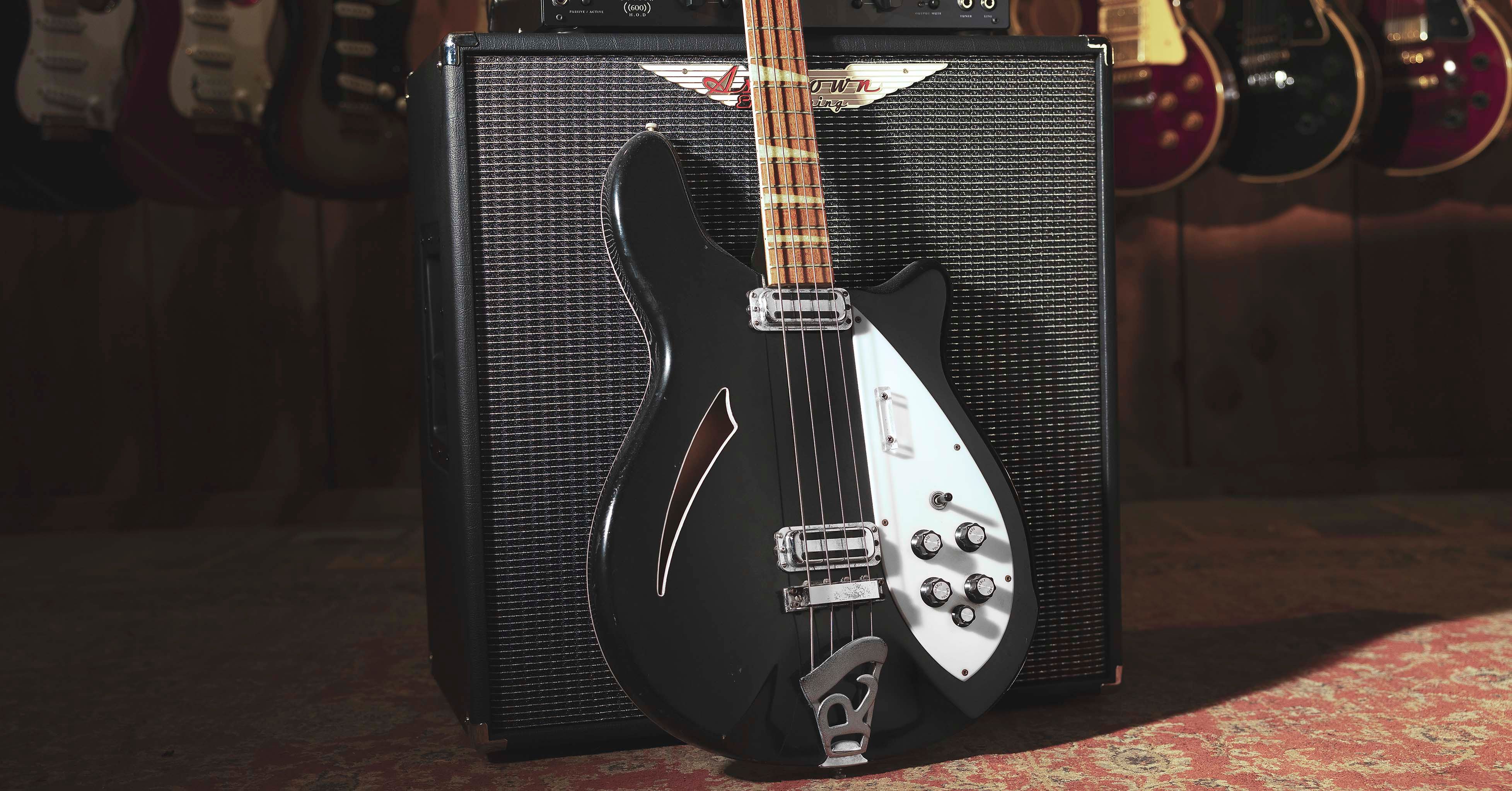

There's one instrument that ties together The Beatles, The Who, Yes, Rush, Motörhead, The Clash and early Metallica: the Rickenbacker bass. The 4000 series basses—with their distinctive body shapes, unique pickup designs, iconic headstock and a tonality that combines glassy clarity and serious punch—have been an underpinning of rock and roll for over six decades.
In this article, I'll take a quick look at the history of the Rick bass, revisiting some familiar names—well, at least if you've been following our series of Vintage Spotlight and guitar history articles. Then, I'll get hands-on with a specific example of a 1967 Rickenbacker Model 4005 bass in the rare Jetglo finish that currently resides on the wall of the Vintage/Platinum Room at Guitar Center Hollywood.
It'll be an interesting trip through some essential, and sometimes overlooked, bits of electric bass history, and a family of bass models that still defines a specific sound and style of rock and roll bass playing.
A Brief History of the Rickenbacker Electric Bass Guitar
Before we dive into the specifics of Rickenbacker's bass lineup and its evolution, I think it's important to take a look at Rickenbacker's influence on the development of the electric stringed instrument, which seems to get overlooked sometimes. From the beginning, under the leadership of Swiss-born Adolph Rickenbacker, the company was a quiet innovator in a field that would get very loud over the next few decades. And a full history of the company's contributions would take up much more space than we have here, so let me explain ... No, there is too much. Let me sum up.
Just a few of the things Rickenbacker (the company) did that were foundational in the development of the electric guitar and bass:
First commercially successful electric guitar: The Rickenbacker Frying Pan lap steel guitar in 1932
One of the first electric guitar pickups: George Beauchamp and Paul Barth's "horseshoe" electric pickup in 1931 with the patent finally issued in 1937
One of the first all-electric basses, albeit an upright: The Rickenbacker aluminum-framework Electro Bass-Viol in 1936
The ties between Rickenbacker and Leo Fender ran deep. Doc Kauffman, who invented Rickenbacker’s Vibrola tailpiece, partnered with Leo in the mid-1940s as K&F. And F.C. Hall, whose Radio-Tel was Fender’s exclusive distributor from 1946, was a partner in Fender Sales when he bought Rickenbacker in December 1953. That move didn’t sit well with Leo and Don Randall, who soon bought Hall out of Fender Sales. Hall had seen up close where the electric guitar was headed, and he set about turning a steel guitar company into a Spanish electric guitar company.
There were three key people at Rickenbacker who we'll talk about here: F.C. Hall, who shifted the company's focus from steel guitars to solid and semi-hollowbody electric guitars; Roger Rossmeisl, the German-born designer, whose work we've previously discussed elsewhere; and Dick Burke, Rickenbacker's factory manager who contributed substantially to their designs after Rossmeisl left for Fender in 1962 (for more on that last, see our "Vintage Spotlight: 1969 Fender Rosewood Telecaster" article).
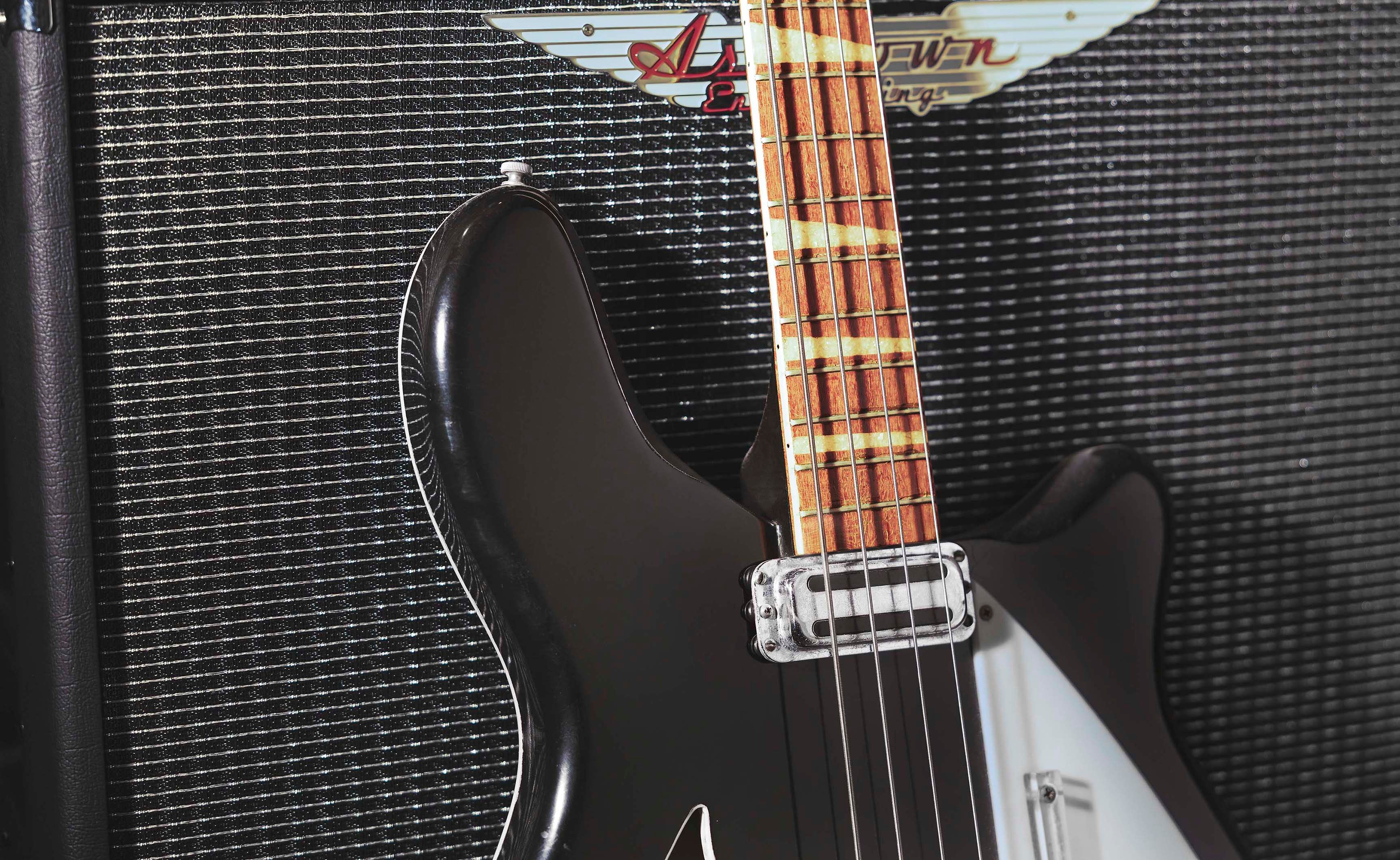
Hall was more than just the new owner of the company. He brought with him a wealth of electronics knowledge and experience, and appears to have been a big part in the development of Rickenbacker's evolving pickup and electronics designs. He has been credited with assisting Paul Barth, who had helped George Beauchamp develop the original horseshoe pickup in the 1930s and was still Rickenbacker factory manager, in the development of the Multiple Unit two-coil horseshoe pickup system in the early Model 800. Hall is also credited with the implementation of the DeArmond/Rowe pickups for the Model 400 and the development of the "toaster" pickups for the six-string guitars which would subsequently migrate to the 4000 series basses.
Rossmeisl brought a specific aesthetic to Rickenbacker's instruments with lots of curves, a distinctive headstock shape and construction concepts such as neck-through-body construction. The visual look of Rickenbacker guitars is very much Rossmeisl's work, from the early Model 800 and Model 600—which Rossmeisl refined from an initial design by Hunt Lewis—on up. One Rossmeisl design feature was the use of the "German carve" on the top with a pronounced recessed channel between the raised center and the outer edge—a style which is very much in the German instrument-making tradition in which Rossmeisl was trained.
The Evolution of the Rickenbacker 4005 Bass
The first Rickenbacker bass was the Model 4000, introduced in 1957. Featuring a neck-through, solid body design with a single horseshoe pickup and a bridge adapted from six-string guitars, it was visually original with an aggressively modern look. It was also the first electric bass to feature dual truss rods. The 4001 followed in 1961, adding a "toaster" pickup in the neck position, with a body that had been redesigned by Rossmeisl to be a closer match to Rickenbacker's Model 450 six-string, another of his designs. Rossmeisl would leave Rickenbacker for Fender shortly thereafter, and the responsibility for the design of the basses (plus quite a bit more) would fall to Dick Burke.
It was Burke who redefined the look of the Rickenbacker bass by lengthening the upper horn to emphasize the "cresting wave" shape of the body, while changing the balance of the instrument to make it a little less neck heavy. Asked about his contribution to the design Burke told Rickenbacker historian Martin Kelly, "I didn't make it, but I made it better."
Burke also created the "round-top" versions of the Model 300 guitars, reportedly after some players had complained about the sharp edges of the double-bound versions, and that round-top design became an integral part of the original Rickenbacker 4005 design.
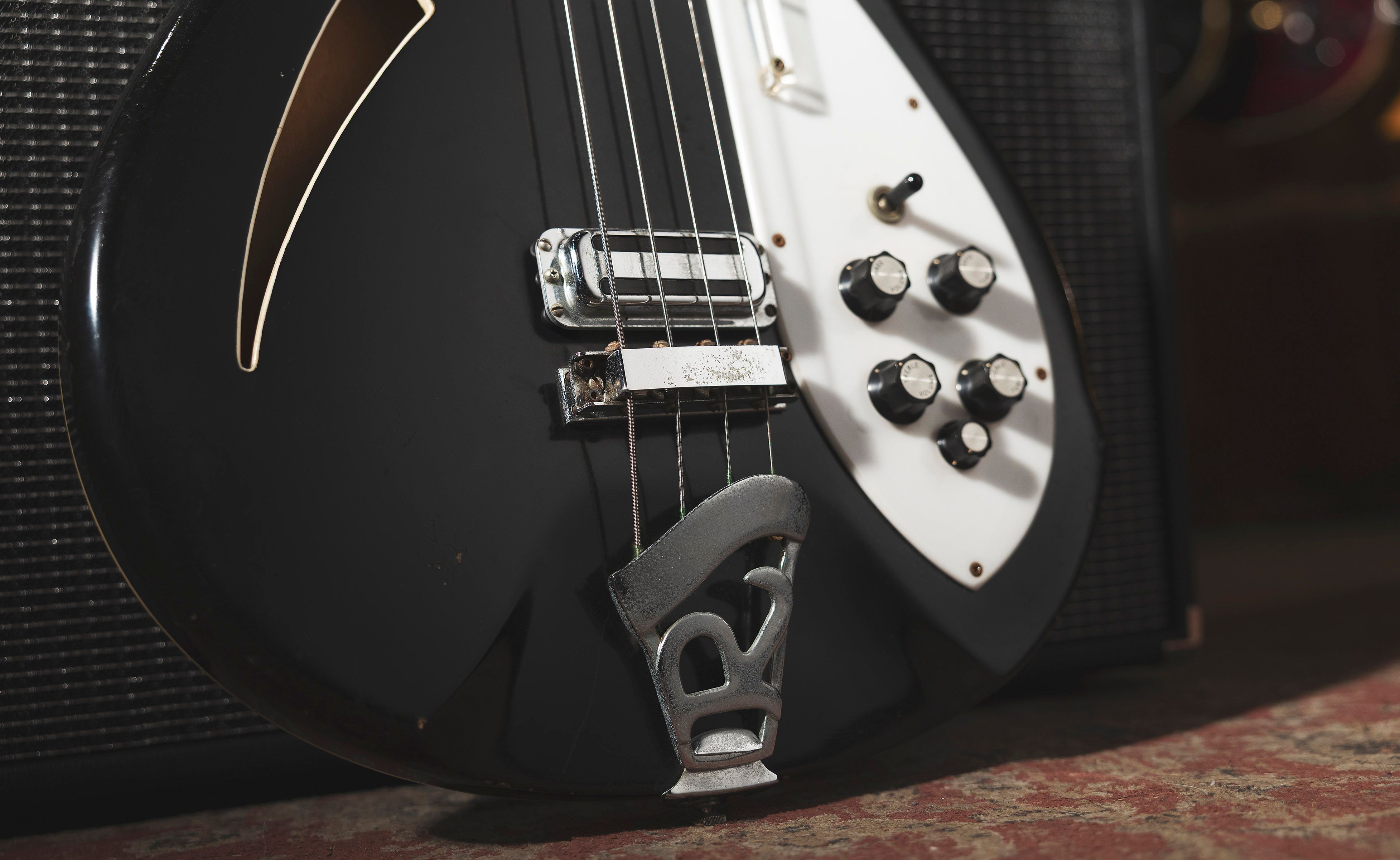
The 4005 was introduced in 1965, after numerous requests from players and dealers who wanted a semi-hollowbody bass to complement the Model 360, one of Rickenbacker's most popular semi-hollow six-strings. The 4005 also shifted to a pair of "toaster" pickups, rather than the combination of a horseshoe in the bridge and a toaster in the neck position. It also expanded the range of the controls to five knobs, adding a "blend" knob that was essentially a fine adjustment of the neck pickup level in either the neck or middle positions of the three-way switch. A double-bound version became available as a factory option starting in 1966.
There were also a couple of 4005 variations. One was the 4005/6, a six-string version that was produced in very small numbers, but appeared on the standard price list. The other, extremely rare, was the equivalent of a "secret menu" item, never appearing on the price list—a 4005/8 8-string bass with double string courses like a 12-string guitar. Burke later recalled, as quoted in Martin and Paul Kelly’s Rickenbacker Guitars: Pioneers of the Electric Guitar, the headstock was "the ugliest thing I've ever worked on. I wouldn't give it to a dog."
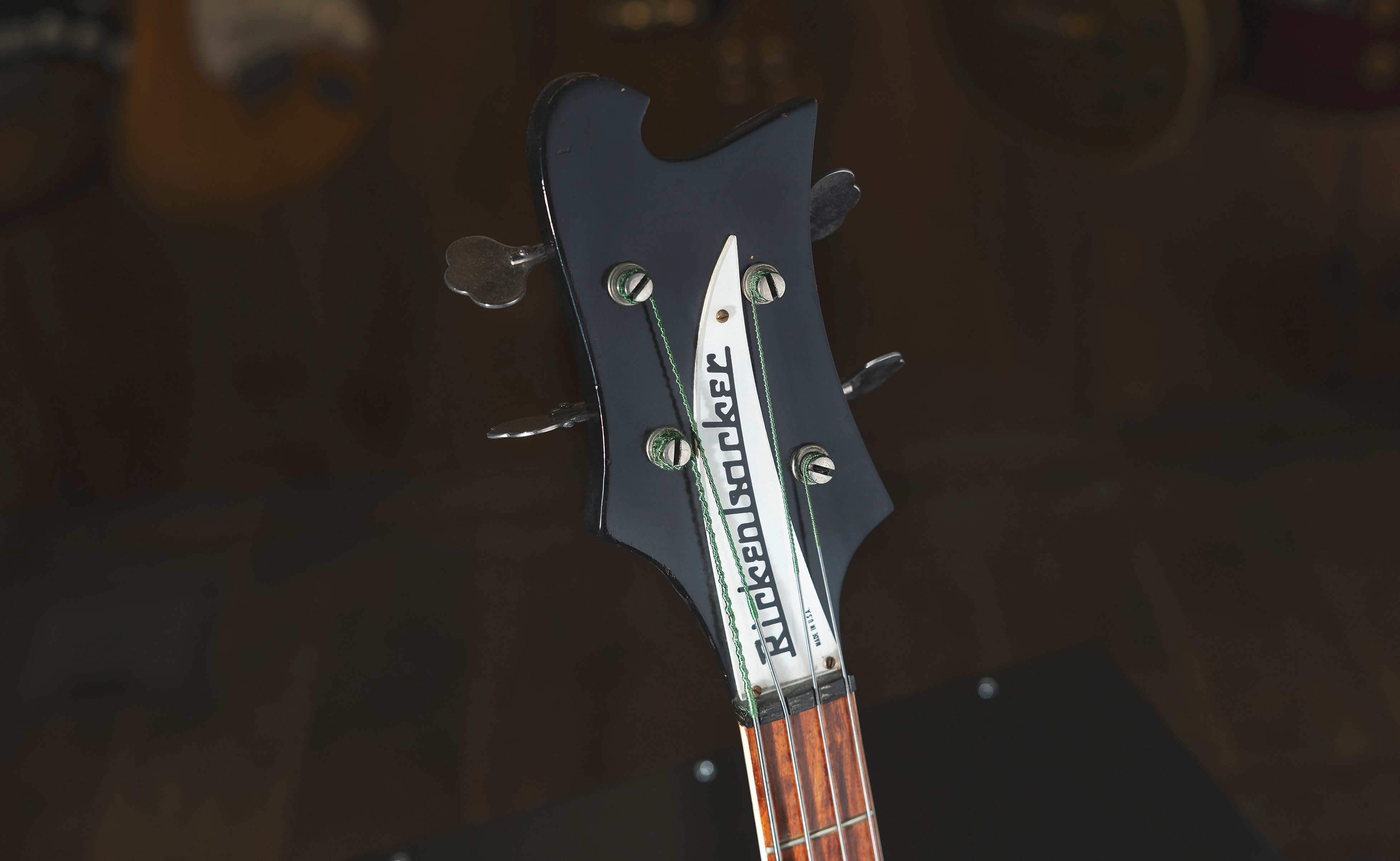
Which brings us to the particular instrument we're here to get hands-on with—a 1967 Rickenbacker 4005 in the scarce factory option Jetglo (we regular folks call it "black") finish.
Hands-on With a 1967 Rickenbacker 4005 Bass
Walking into the Vintage/Platinum room at Guitar Center Hollywood, this 1967 Rickenbacker 4005 was easy to spot. You wouldn't think that a black—excuse me, Jetglo—bass would pop off the wall, being surrounded by a plethora of other vintage basses, some with stunning finishes, but this one did, standing out like a guy in a tux at a punk show.
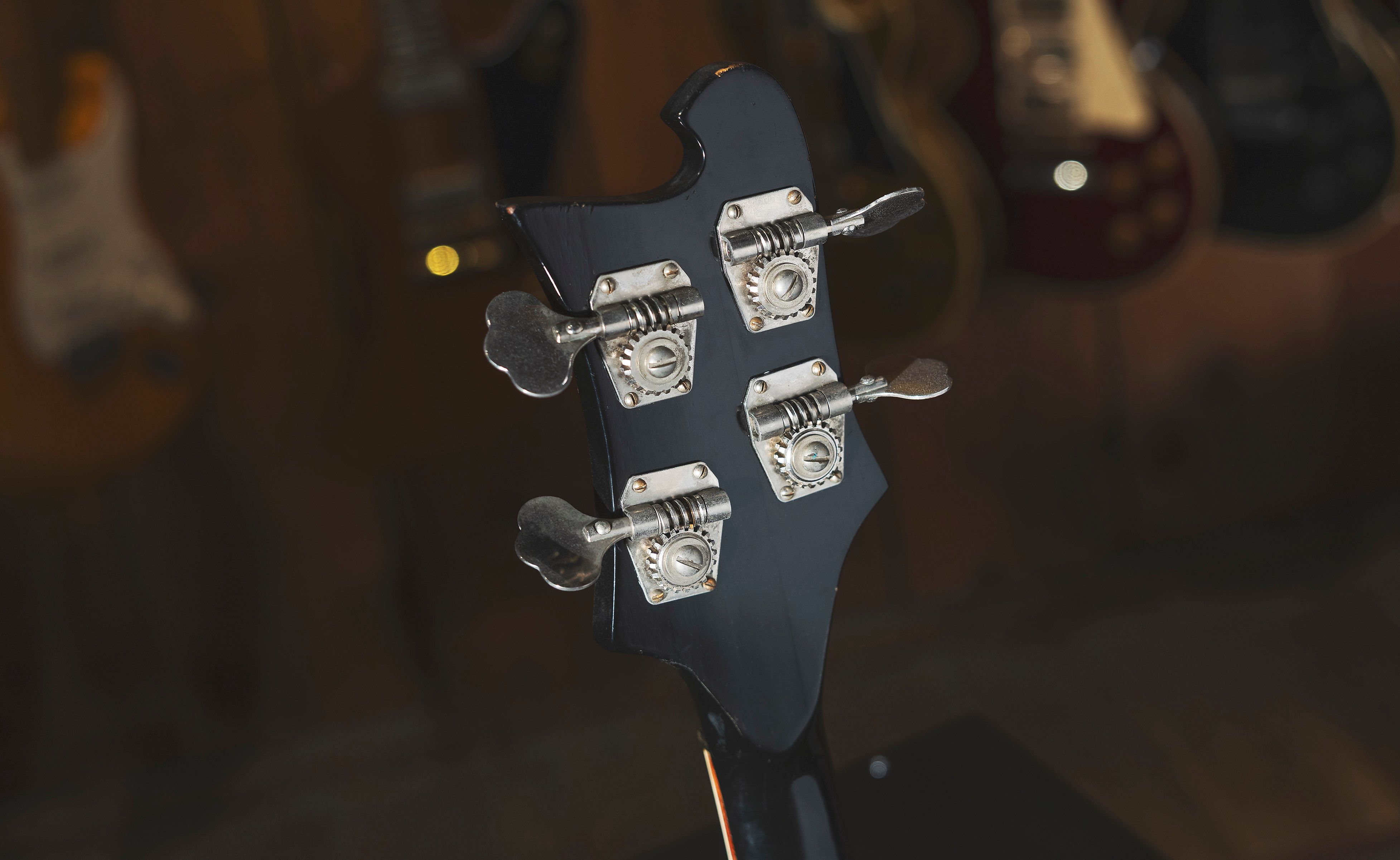
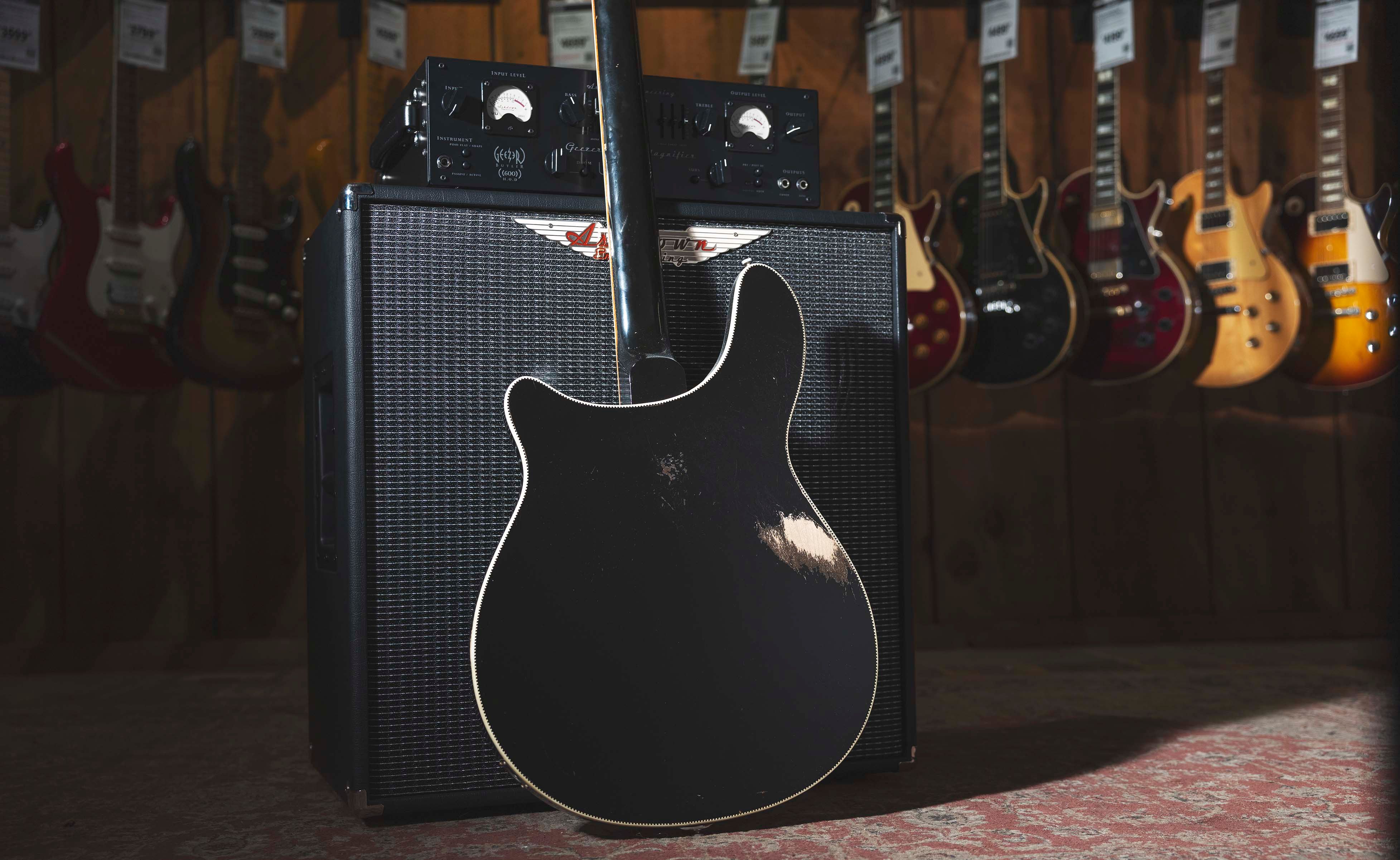
Sitting down with the bass, it's obvious this was both a well-loved and well-played instrument. For an almost-60-year-old instrument, the finish is remarkably intact, aside from some belt buckle rash on the back (if you don't have belts with non-abrasive buckles or fasten your belt on the side, think about it, says the voice of experience). The front of the bass is in remarkably good shape and this round-top version is extremely comfortable, though it is, like all Rickenbacker basses, a bit neck heavy.
Acoustically, this 4005 rings like a bell. This was my first time playing a 4005, and I was pleasantly surprised by how the semi-hollowbody construction mellows and projects the sound of the bass both acoustically and when plugged in. Set up with roundwounds, it played easily and the neck, with Rickenbacker's classic full-width, crushed-pearl triangle inlays, was extremely comfortable with pristine fretwork. The deep cutaways on Rickenbacker basses, make upper-fret playing a joy, with clear access to all 20 frets.
Plugged into an Ashdown Geezer Butler Head of Doom (which I did not crank out of consideration for customers checking out instruments), I had a lot of fun playing around with the 4005's controls—especially the blend knob. The difference between blending in the neck when the switch is in the bridge position and trimming it back when the switch is in the middle position is subtle, but noticeable. I tended to gravitate to the middle position with the blend knob at about half of its travel and the bridge fully up. But, that's just my personal taste. If you're looking for that classic Rick bite, the toaster pickup in the bridge is more than happy to oblige when used alone.
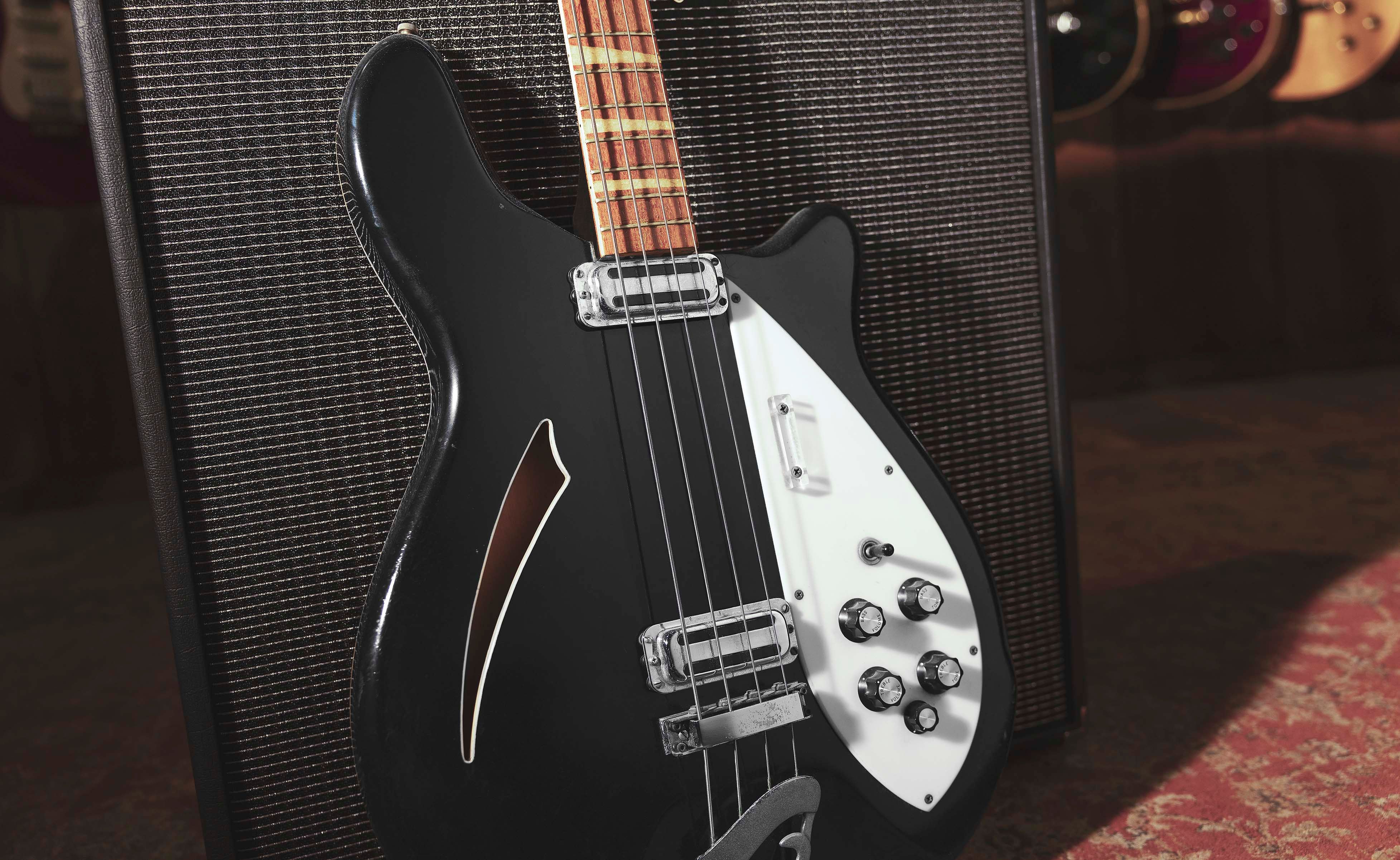
Pictured: 1967 Rickenbacker 4005 Bass Guitar
I spent some time playing along to whatever was on the background music in the room, which, when I was there, seemed weighted heavily toward CCR. It didn't take long to forget what I was there for and simply enjoy playing some music. Which is why we're here, right?
Overall, my impression is that this bass is ready to be played, enjoyed and cherished by a new owner who has an appreciation for the history of innovation that Rickenbacker has brought to the world of electric guitars and basses, and is jonesing for that classic Rick tone, with a little bit of a mellower edge.
Written By: George Van Wagner
George Van Wagner is a writer and editor for Guitar Center, where he has worked since 2007. A multi-instrumentalist, freelance recording engineer, arranger, composer, writer and all-around tech geek, he has over 30 years of experience in the musical instrument industry at companies like Midiman/M-Audio and Line 6, doing everything from customer service and writing user manuals to working in product development. He is currently gigging around Los Angeles with Gruppo Subconscious and Bobby “Hurricane” Spencer.
Be the first to know about exclusive offers, tips and more.

866-498-7882 English
877-687-5402 Español