.jpeg)

Guitars
Related Searches:
37,710 matches found
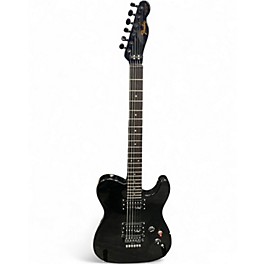
Available at:New Orleans, LA
Condition: Good
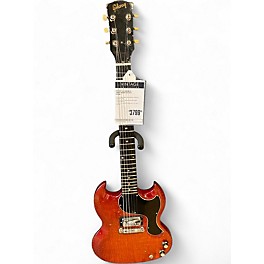
Available at:Dallas, TX
Condition: Good
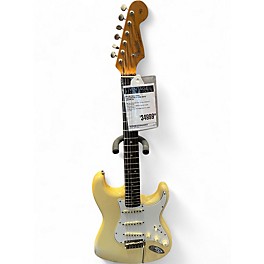
Available at:Hollywood, CA
Condition: Good
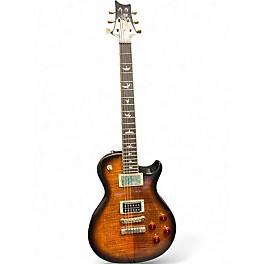
Available at:San Antonio, TX
Condition: Good
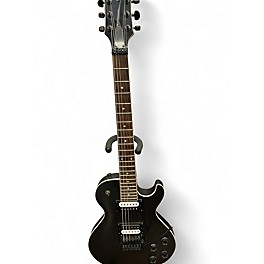
Available at:Lewisville, TX
Condition: Good
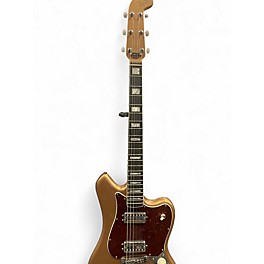
Used Fender Maverick Dorado Firemist Gold Solid Body Electric Guitar
Available at:Denver, CO
Condition: Good
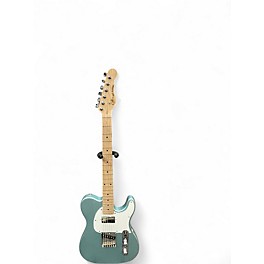
Available at:Alpharetta, GA
Condition: Good
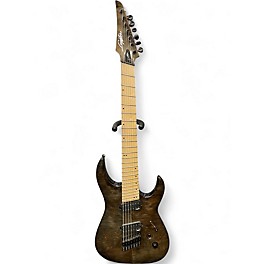
Available at:Roseville, CA
Condition: Good
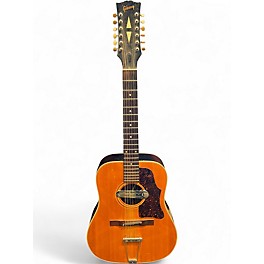
Vintage 1960s Gibson B45 Natural 12 String Acoustic Electric Guitar
Available at:Port St. Lucie, FL
Condition: Good
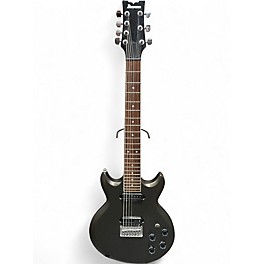
Available at:Bloomington, MN
Condition: Good
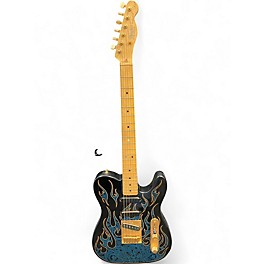
Used Fender Artist Series James Burton Telecaster BLUE W/FLAMES Solid Body Electric Guitar
Available at:Houston, TX
Condition: Good
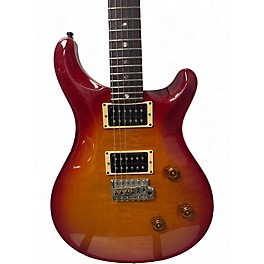
Used PRS CE24 2 Tone Sunburst Solid Body Electric Guitar
Available at:Canton, MI
Condition: Good
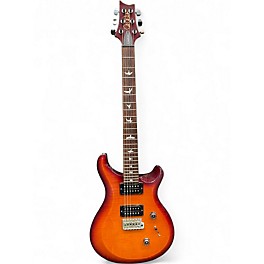
Used PRS Custom 24 2 Tone Sunburst Solid Body Electric Guitar
Available at:Orange CT, CT
Condition: Good
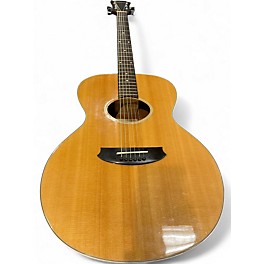
Used Epiphone NO-180 Natural Acoustic Guitar
Available at:New Orleans, LA
Condition: Good
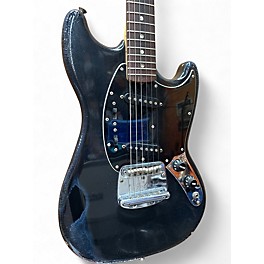
Vintage 1977 Fender Mustang Black Solid Body Electric Guitar
Available at:Eugene, OR
Condition: Good
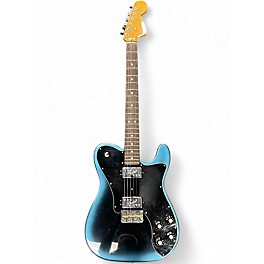
Used Fender American Professional II Telecaster Dark Knight Solid Body Electric Guitar
Available at:Hobart, IN
Condition: Good
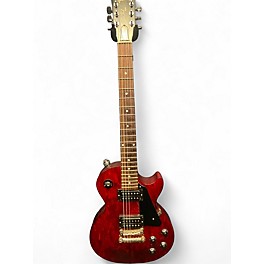
Used 2018 Gibson Les Paul Faded Faded Cherry Solid Body Electric Guitar
Available at:Chattanooga, TN
Condition: Good
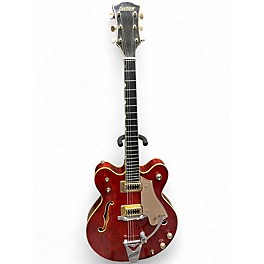
Available at:Lynnwood, WA
Condition: Good
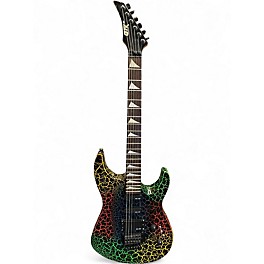
Available at:Colorado Springs, CO
Condition: Good
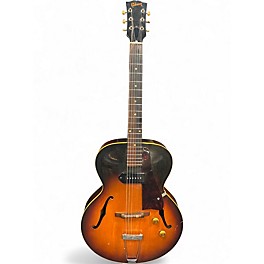
Available at:Southcenter, WA
Condition: Good
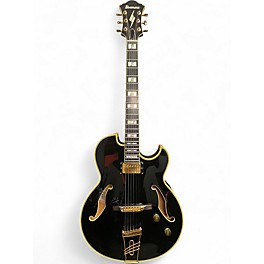
Available at:San Antonio, TX
Condition: Good
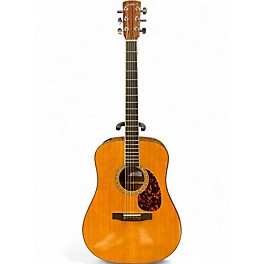
Vintage 1980s Larrivee D09 Natural Acoustic Guitar
Available at:Pasadena, CA
Condition: Good
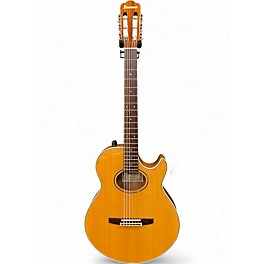
Used 1984 Ibanez AE450 Natural Acoustic Electric Guitar
Available at:Carle Place, NY
Condition: Good
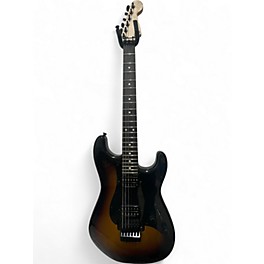
Used Charvel Charvel Pro-Mod So-Cal Style 1 HH FR E Electric Guitar Three 3 Color Sunburst Solid Body Electric Guitar
Available at:Hallandale, FL
Condition: Good
Buying Guides
Find the Right Guitars

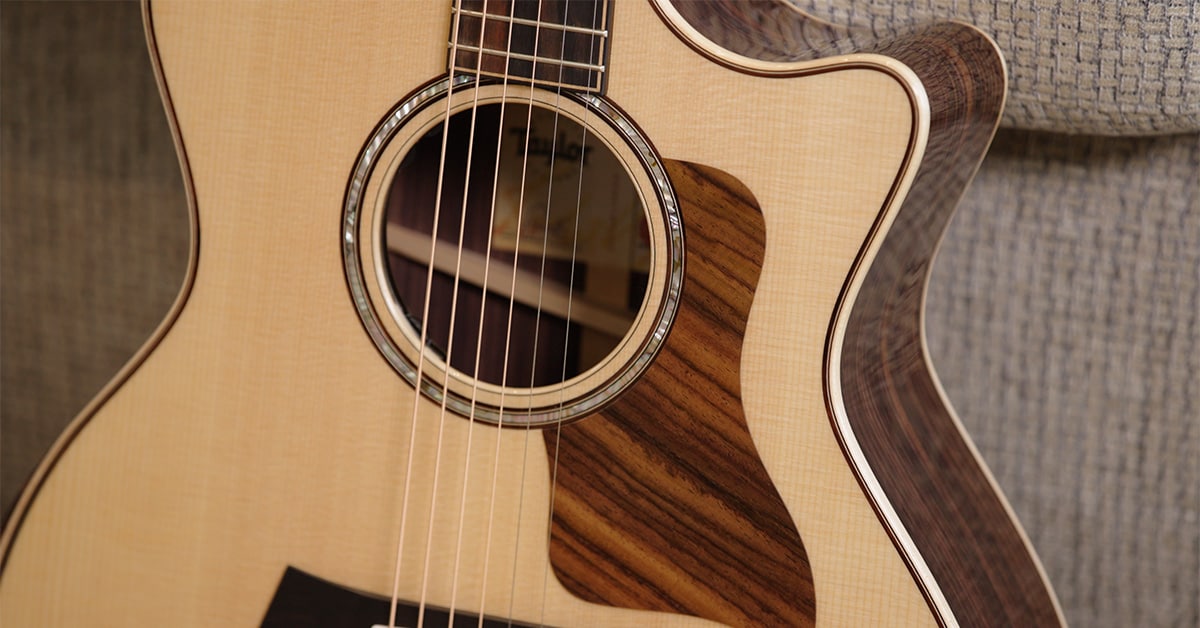
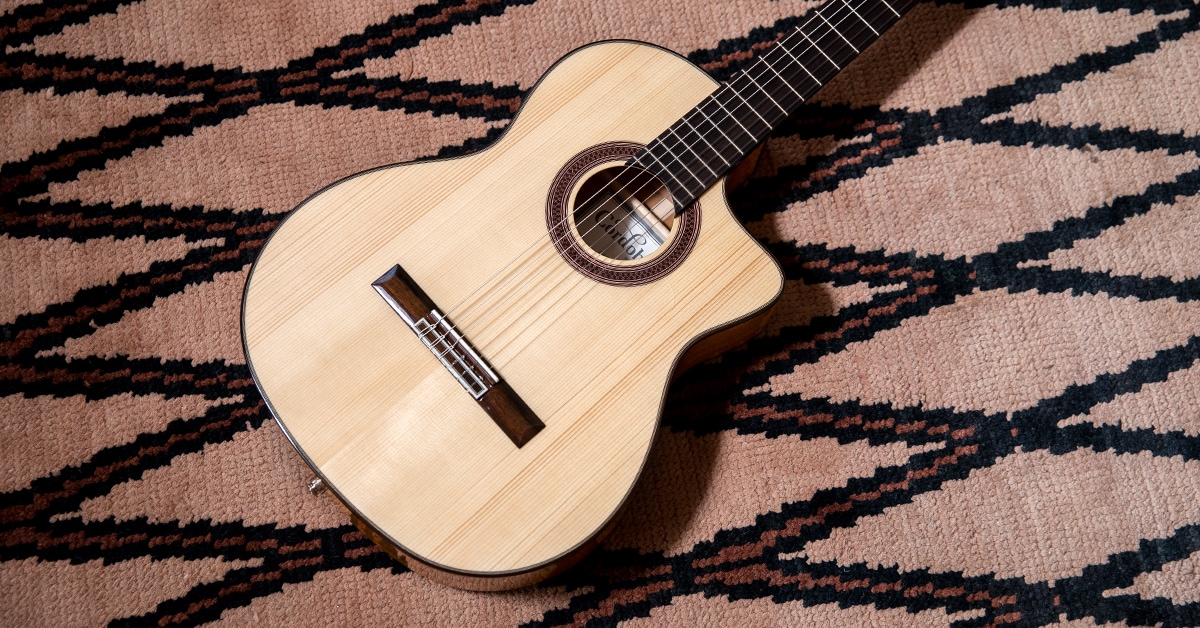
Endless Guitar Sounds, Acoustic and Electric Styles & Playing Experiences
The vast universe of guitars offers distinct playing experiences. Acoustic guitars create sound naturally; steel-string models are bright and loud for folk, country and rock, while classical guitars use nylon strings for a softer, warmer tone ideal for intricate fingerstyle playing. Electric guitars require amplification and use pickups to shape their sound, offering incredible versatility – from solidbody rock icons to resonant hollowbodies for jazz and blues. And then there's bass guitars, the foundation of the rhythm section. Body shapes (like Stratocaster, Les Paul) and tonewoods further sculpt the sound and feel. Exploring options from legendary brands like Fender, Gibson, Taylor, and Martin helps navigate this exciting world.
Key Guitar Features & Types:
- Main Types: Acoustic (Steel-String, Classical/Nylon), Electric (solidbody, hollow/semi-hollow), Bass
- Body: Soundboard/Top, Back, Sides (Acoustic); Solid or Chambered Wood (Electric).
- Neck: Shape, fretboard, frets, headstock, tuning machines (tuners)
- Strings: Standard Guitar, 6; Bass, 4 or 5, Extended-range bass/guitars 6, 7, 8 or 12
- Pickups: Electric (magnetic single coil, humbucker); Acoustic-electric (piezo/mic systems)
- Bridge: Anchors strings (fixed, tremolo/vibrato systems on electrics; pin/pinless on acoustics).
- Controls (Electric/Acoustic-Electric): Volume, Tone knobs/sliders, Pickup selectors.
What are the pros and cons of acoustic vs. electric guitars?
- Pros: Acoustic—Playable anywhere (no amp needed), natural resonant tone, great for strumming/fingerstyle basics; Electric—Huge tonal versatility (with amps/effects), generally easier action/string tension, enables lead playing/bending more easily, iconic rock/blues/pop sounds
- Cons: Acoustic—Can be harder for beginners (string tension/body size), limited tonal shaping without external gear, feedback issues when amplified; Electric – Requires amplifier and cable (added cost/complexity), reliant on electricity, can encourage focus on gear over technique initially.
What type of guitar is best for a beginner?
Many start with either a nylon-string classical guitar (easier on fingertips) or a steel-string acoustic guitar. Some beginners prefer electric guitars due to potentially lower string action, but remember they require an amplifier. The best choice depends on musical interests and comfort.
What are the main parts of a guitar?
Most guitars share core parts: The body (main resonant part), the neck (long part with the fretboard), the headstock (at the end of the neck with tuning machines), strings, and the bridge (where strings anchor to the body). Electrics also have pickups and controls (volume/tone knobs).
Do I need accessories when buying a guitar?
Yes, usually. At minimum, you'll likely need picks (if not playing fingerstyle), a tuner, a case or gig bag for protection and a strap if you plan to play standing up. Electric guitars absolutely require an amplifier and a cable to be heard.