

Pro Gear Advisers
•866-498-7882
How MUNA Built "So What": Turning Studio Experimentation into Emotion
One of the things that has driven me bonkers for decades is the idea there are unassailable “rules” to making recordings in a studio. In fact, some of the coolest parts on the greatest songs of all time have been partly or totally informed by happy accidents or “mistakes.”
Happily, MUNA are not rule followers.
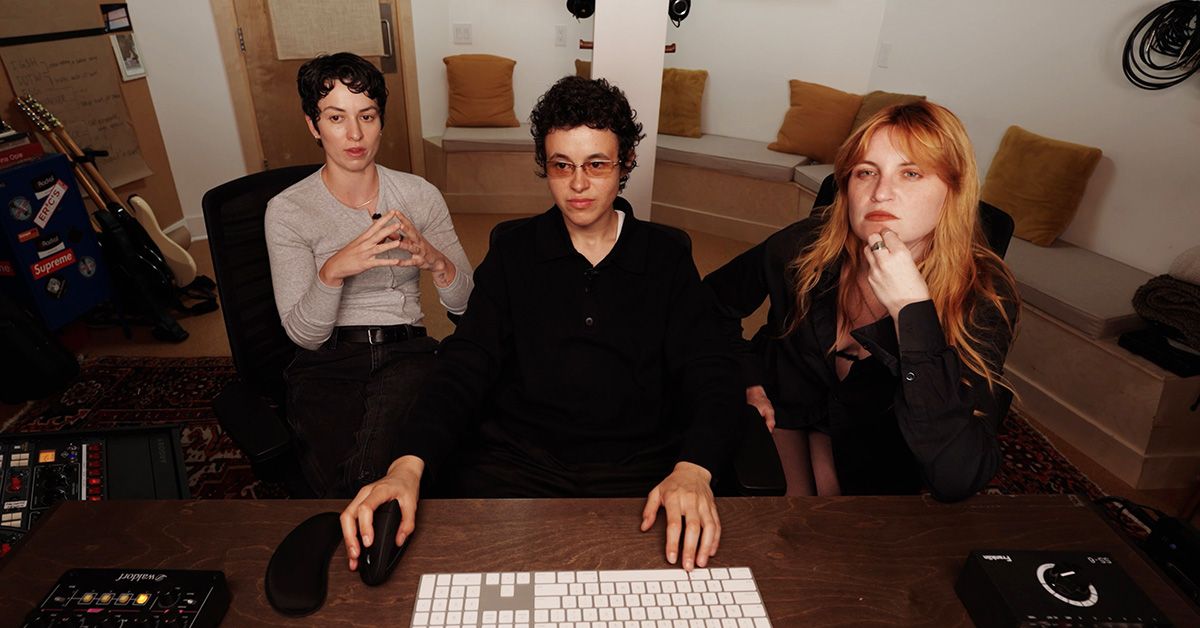
Katie Gavin, Josette Maskin and Naomi McPherson break things. There’s no concept of correct—the “must use this particular gear for this application in this specific way” mandate—for MUNA. There’s only doing whatever serves a song’s dramatic narrative and cinematic feel.
In this exclusive Guitar Center studio session, MUNA deconstructs the recording of "So What," revealing how fearless experimentation helped shape one of the album's most emotionally complex tracks.
Starting Out
“I have an iPhone, and in the Notes app I have a ton of audio files,” says Gavin. “They’re mostly song ideas and beats that Naomi has sent me over time. Sometimes, I'll write underneath a particular beat, ‘Please use this one—it’s good,' even I don't know if I'll be able to make something good out of it for a couple of months or more. When the first idea for ‘So What’ arrived, it was just a pre-chorus and I went through the Notes app to see if there was a beat that would fit. I found something and sent it to Naomi in that raw form, and as it sometimes happens, Naomi and Josette will work on it when I’m not there and open things up. In fact, I think some of the coolest innovations of a song happen when we can be free.”
Drum Production
"We have a lot of programmed drums in the song, in addition to some really gorgeous ride cymbal parts played by our drummer Sarab Singh," says McPherson. “The cymbals were sidechained to a compressor and run through the Oeksound Soothe2 plug-in to take down some of the sharpness. It became this stereo bed for the whole drum kit to live in and around. Then, we sent the whole drum kit out to our Roland Jazz Chorus and added some reverb and chorus from the amp. We captured the sound with some room mics. When we combined the samples, live and re-amped sounds, we got a little bit of something—a hint of dimension that’s interesting for the ear to hold on to.”
Capturing Character
“We recorded some electric guitars that were not intended to be beautiful guitar parts for the ages,” says Maskin. “They were for vibe.”
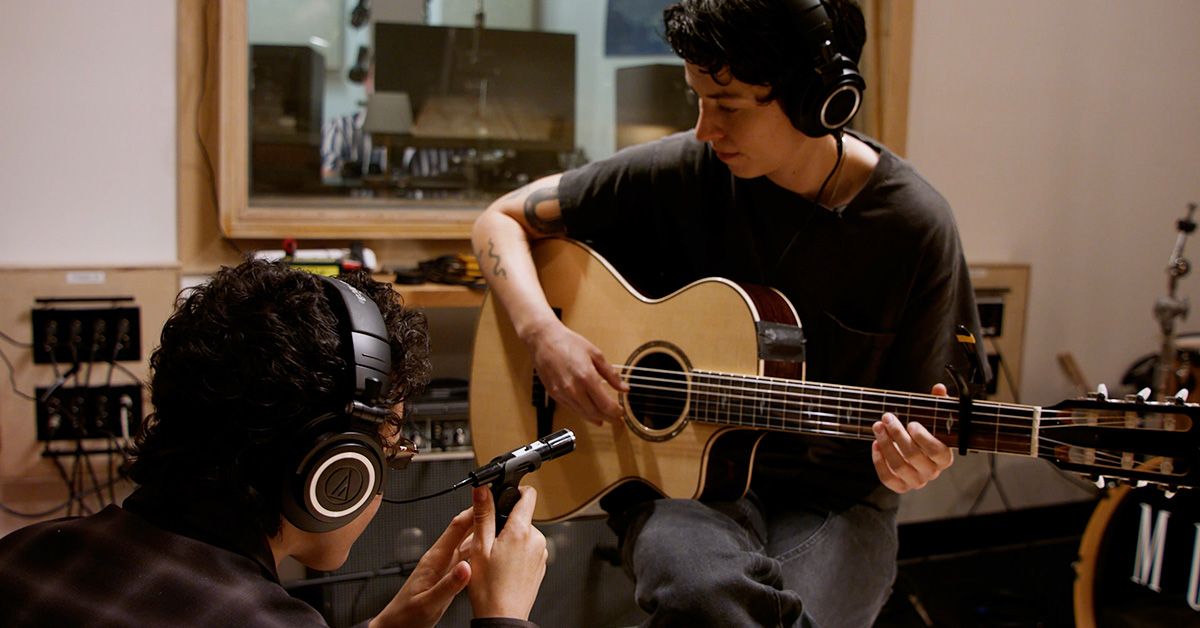
“The way we captured this slide-sounding guitar was in two stages,” reveals McPherson. “The primary stage was recording it using a 1970s Bell & Howell cassette deck and Dictaphone-style mic. I was literally holding the microphone up to Josette’s guitar as she was playing. We didn’t use a mic stand. I was also playing back the sound by starting and stopping the cassette deck and recording snippets of her performance. When there’s more chaos in the technique, you can stumble across things you’re not expecting.”
“So, the thing is, you could find a Bell & Howell recorder at a yard sale and have something that adds ten times more vibe than an expensive, totally professional piece of gear,” says Maskin.
Going with the Flow
“There are no rules,” says Maskin about MUNA’s studio approach.
“There are rules,” interrupts McPherson, “but break them.”
“If there’s a right way to do something, it doesn’t mean it’s the right thing for you,” adds Maskin. “It’s whatever feels good to you when you’re listening to stuff.
“If it sounds good to you, it’s good,” says McPherson, echoing early ’60s maverick producer Joe Meek’s assertion, “If it sounds right, it is right” to defend his unconventional (for the time) recording techniques. “I think a lot of people who get really deep into the music recording and production world cross a line where they aren’t listening to the music anymore. You don’t ‘hear’ music by using your eyes to look at DAW screens or preamps or whatever—you listen with your ears.”
Continue the Experience
MUNA opened their studio for the Guitar Center community, letting us share some exclusive peeks into their gear and recording and production processes. So, grab some extremely useful knowledge from this video and the others in this series…
Written By: Michael Molenda
Michael Molenda is a content strategist, editor and writer for Guitar Center, where he has worked since 2022. He is the longest-serving Editor in Chief of Guitar Player (1997-2018), and former Editorial Director of Bass Player, EQ, Keyboard, Electronic Musician, Gig and Modern Drummer. A guitarist, drummer, bassist and producer, Mike co-owned three pro recording studios in San Francisco, and performs with Surf Monster and The Trouble With Monkeys.
Be the first to know about exclusive offers, tips and more.

866-498-7882 English
877-687-5402 Español