


Pro Gear Advisers
•866-498-7882
5 Reasons You Need a Guitar Setup This Winter
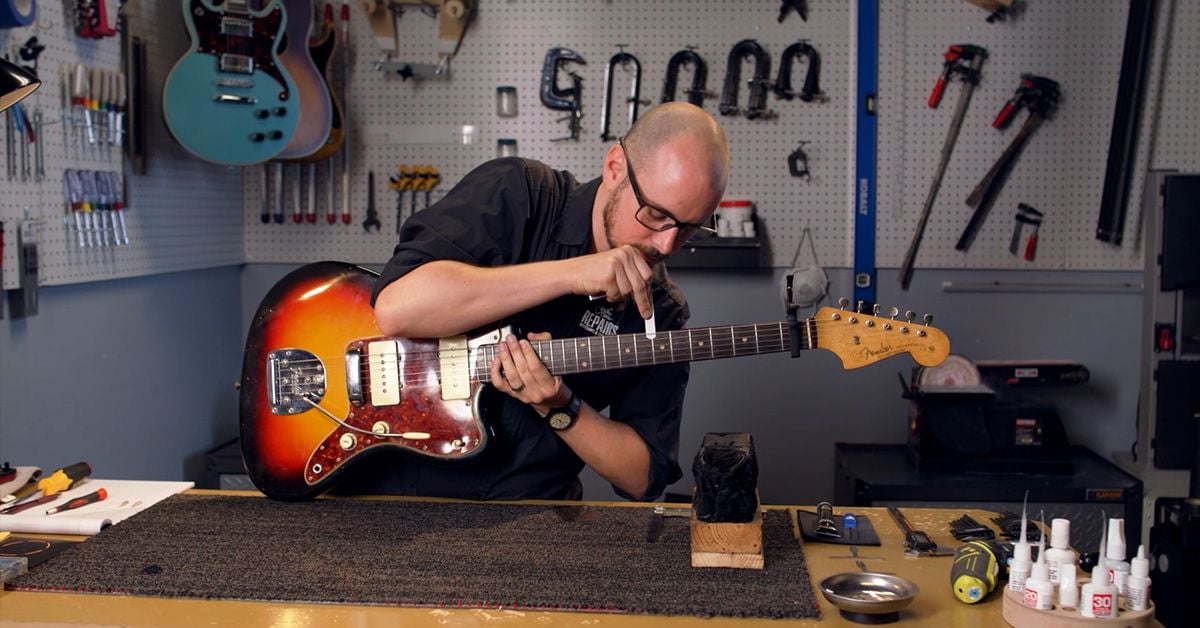

Winter is coming—and cold weather and changing humidity can affect your guitar's playability, tuning and overall performance.
Your guitar might not spend much time outdoors, but that doesn't mean it's immune to winter weather. As temperatures drop and indoor heating systems kick on, changes in humidity can affect the wood and other components of your instrument. Even a guitar that rarely leaves its case can respond to these seasonal shifts.
Maybe your strings suddenly feel higher off the fingerboard. Perhaps you've noticed more fret buzz, or your guitar doesn't stay in tune quite as well as it used to. These changes can happen gradually, making them easy to overlook until they start affecting your playing.
A professional guitar setup can help address many of these issues while keeping your instrument playing the way you want it to. Whether you're practicing at home, recording or preparing for your next gig, here are five reasons to consider visiting a Guitar Center Repairs station this winter.
1. Winter Weather Can Affect Your Guitar's Neck
Your guitar’s neck is under constant tension from the strings, and its wooden components respond to changes in temperature and humidity.
During winter, indoor heating can significantly reduce relative humidity. As wood loses moisture, subtle changes in the neck can affect its relief—the slight forward bow that allows vibrating strings to clear the frets.
Too little relief can cause fret buzz, while too much can make your guitar feel harder to play. Even relatively small changes can affect how your instrument responds.
A professional setup includes evaluating neck relief and making adjustments when necessary. Guitar Center Repairs technicians can inspect your guitar's neck and determine whether a truss rod adjustment or other service is needed to restore comfortable playability.

Pictured: Truss Rod Adjustment at Guitar Center Repairs
2. A Setup Can Restore Comfortable String Action
String action—the distance between the strings and the frets—has a major impact on how your guitar feels as you play it.
If your action is too high, playing chords, bending strings and navigating the fingerboard can require more effort. If it's too low, you may experience unwanted buzzing or notes that choke out.
Winter humidity changes can affect string action, particularly on acoustic guitars, where the wooden top can expand or contract as moisture levels fluctuate. Electric guitars can also experience changes in playability as neck relief shifts.
A good guitar setup helps establish the right balance between string height, neck relief and your individual playing preferences.
At Guitar Center Repairs, a technician can evaluate your instrument and make appropriate adjustments based on how you play. Whether you prefer low action for easy soloing up and down the fretboard, or a little more clearance for more aggressive strumming, a properly adjusted guitar can make a world of difference.
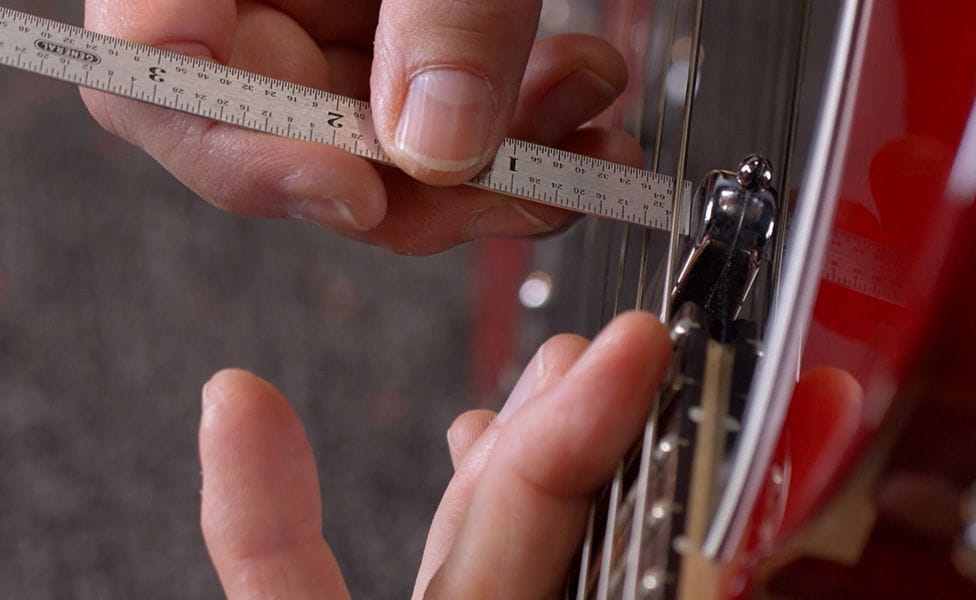
Pictured: Action Height Check at Guitar Center Repairs
3. Better Tuning Stability
If you’ve ever picked up your guitar, played a few chords and quickly realized it's already out of tune, it may be in need of some TLC.
While every guitar requires regular tuning, persistent tuning problems can interrupt practice, recording sessions and performances.
Winter temperature fluctuations can contribute to tuning instability, especially when moving an instrument between a heated room and a colder environment. Changes in neck relief, worn strings, binding nut slots and hardware issues can also affect how long your guitar stays in tune.
A professional setup provides an opportunity to evaluate these potential trouble spots.
Guitar Center Repairs can check your guitar’s tuning machines, nut, bridge and strings to identify issues that may be contributing to tuning instability. Depending on the instrument, fresh strings, adjustments or other maintenance may help improve consistency.
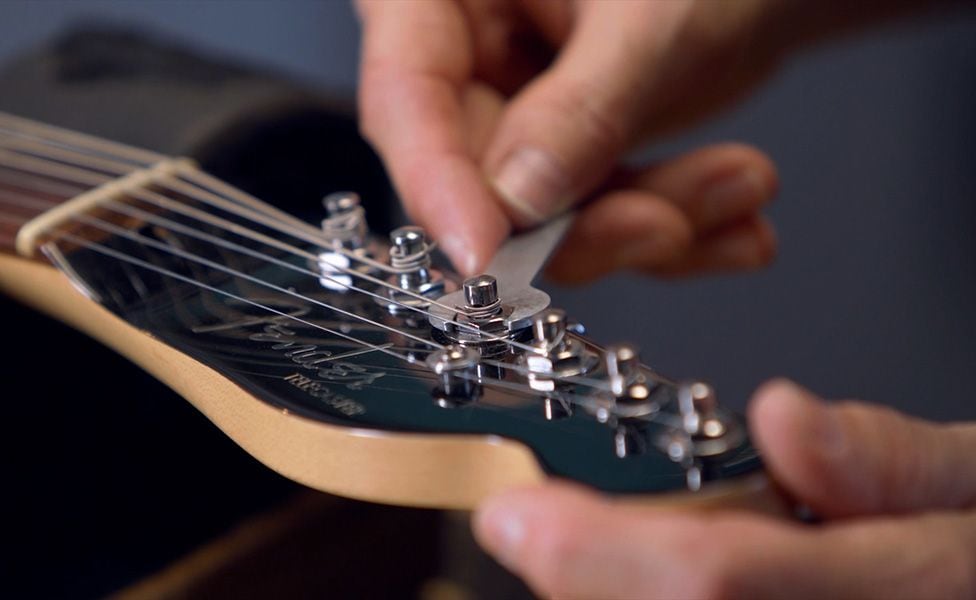
Pictured: Tuning Machine Adjustment at Guitar Center Repairs
4. Proper Intonation Helps Your Guitar Sound Its Best
Ever tune your guitar perfectly, sounding fine on open strings and cowboy chords, only to discover that notes and chords played higher up the neck sound slightly out of tune?
That's often a sign of an intonation issue.
Intonation refers to how accurately your guitar plays in tune across the fingerboard. When it's off, fretted notes may sound sharp or flat even when the open strings are tuned correctly.
Changes in string action and neck relief can affect intonation, making it an important consideration during seasonal maintenance.
On many electric guitars, intonation can be adjusted by changing the position of individual bridge saddles. Acoustic guitars have different adjustment options, and some issues may require more specialized attention.
For guitarists who regularly record, perform or play with other musicians, accurate intonation is particularly important. A well-adjusted instrument helps chords ring clearly and melodies sound consistent across the entire fingerboard.

Pictured: Electric Guitar Intonation at Guitar Center Repairs
5. Preventive Maintenance Can Help Protect Your Investment
In addition to addressing problems you can immediately hear and feel, a Repairs visit is also an opportunity to identify maintenance needs before they become more serious.
Dry winter air can affect wooden fingerboards, sometimes causing fret ends to become more noticeable as the wood contracts. Acoustic guitars are especially vulnerable to prolonged exposure to low humidity, which can contribute to changes in top geometry and, in severe cases, cracking.
While a standard setup can’t reverse structural damage, a professional inspection can help identify warning signs and determine whether additional care is necessary.
A Guitar Center Repairs technician can evaluate your instrument's condition and recommend appropriate maintenance, which may include fingerboard care, fretwork or other repairs.
It's also worth maintaining a stable environment for your guitar. Using an appropriate instrument humidifier and monitoring humidity levels can help reduce the effects of seasonal changes.
Think of a winter setup as part of a broader maintenance routine that helps keep your instrument in playing condition year round.
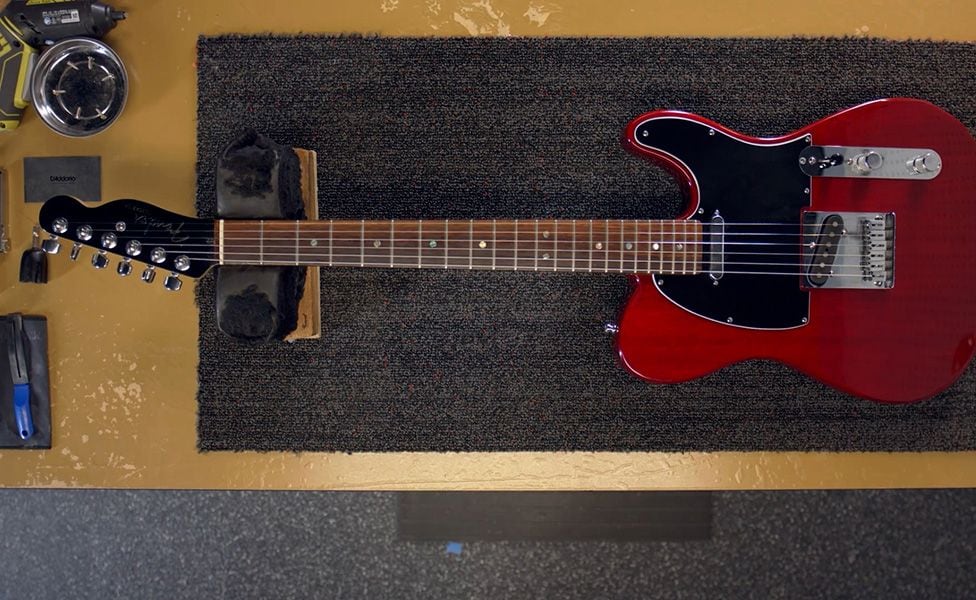
Pictured: Guitar Center Repairs Desk
Get Your Guitar Winter-Ready at Guitar Center Repairs
Even if your guitar seems to be playing fine, seasonal changes make winter a good time to check its overall condition.
A quality setup can help optimize neck relief, string action, intonation and other aspects of playability, giving you an instrument that feels comfortable and performs consistently. For more information about what's involved, check out our guide “What Is a Guitar Setup?”
Guitar Center Repairs offers professional guitar setup services, including a Platinum Setup—which encompasses a detailed 22-point inspection and adjustment regimen—to help you get the most out of your instrument.
Whether you're noticing seasonal changes or simply want to keep your guitar performing its best, bring your instrument to your local Guitar Center and talk with a Repairs technician. They can assess its condition, discuss your playing preferences and recommend the right service for your needs.
Written By: Drew Beaupré
Drew Beaupré is a multi-instrumentalist, audio engineer and writer. With a bachelor’s in psychology from Purdue and background as a gigging guitarist and drummer, he began his audio career at the world-famous Westlake Recording Studios, before venturing into live sound engineering for clients such as KCRW, Santa Monica College, CSULA and Nyjah Huston—eventually becoming studio manager at Guordan Banks’ Bank On It Studios in downtown L.A. He also has worked extensively with the industrial band Ministry, as an engineer at Al Jourgensen’s studio, as well as domestic and international touring stage tech for DJ Swamp and Joey Jordison. Prior to writing with Guitar Center, Drew has written for Fender and various music blogs.
Recently Added to Gear Tips
Be the first to know about exclusive offers, tips and more.

866-498-7882 English
877-687-5402 Español