

Pro Gear Advisers
•866-498-7882
Top 5 Reasons Why You Need a Fender Telecaster
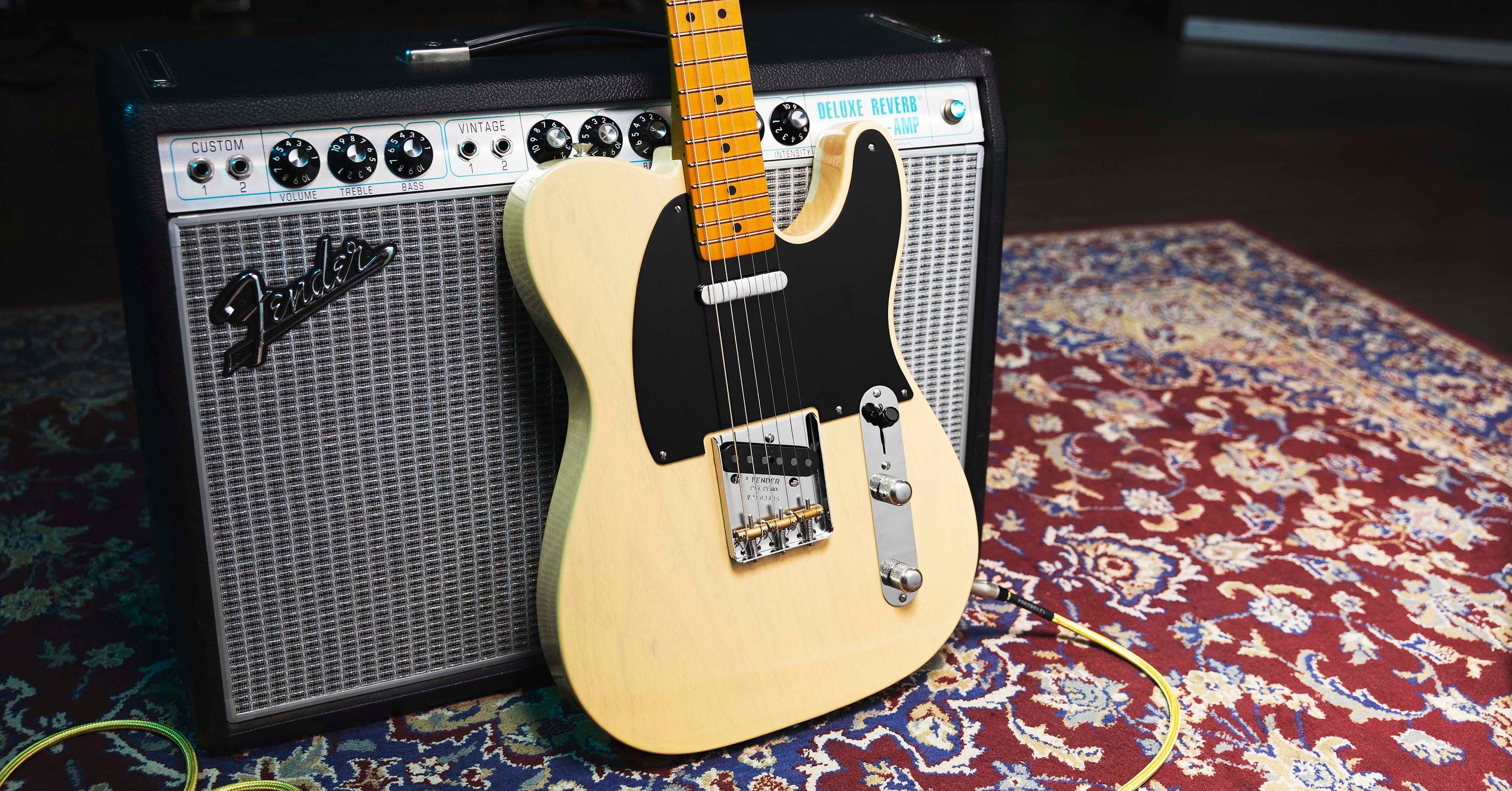

Maybe there's a sound you're chasing that you can't quite catch. Maybe you want a utility electric guitar that can cover almost any genre. Or maybe it's just a case of chronic FOMO. Whatever the case may be, a Telecaster might be the answer.
In this short article, we'll cover the top five reasons why you need a Tele in your life as well as point you in the direction of additional resources to aid in the quest for your perfect Telecaster (even if you didn't know before that you needed one).
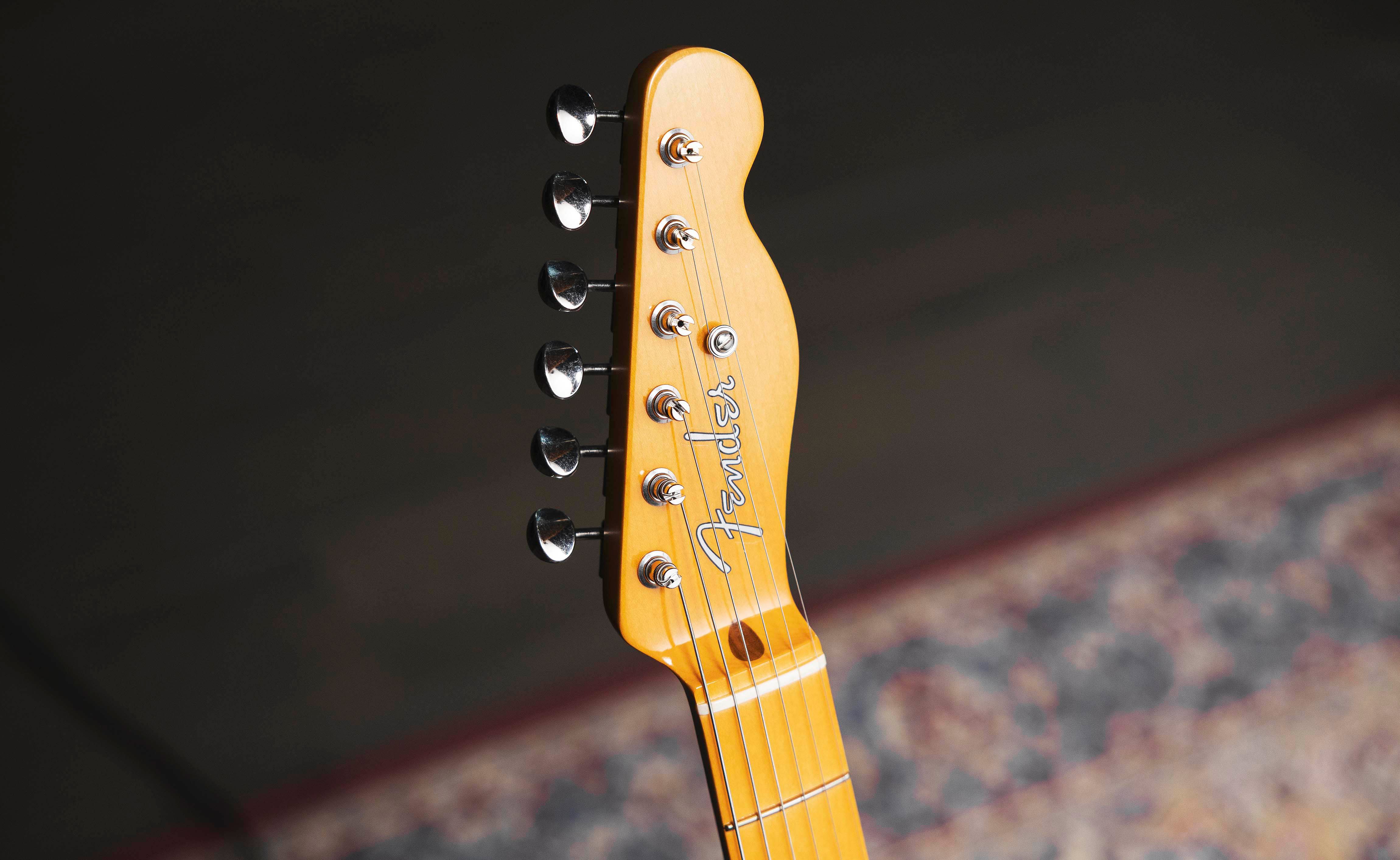
A Very Brief History of the Fender Telecaster
As we've covered Telecaster history in more depth in our article titled (in a burst of creativity) "The History of the Fender Telecaster," we're going to keep this section to a minimum, including a timeline unabashedly yanked from that article (hey, I wrote the original one, and if I can't steal from myself, who can?).
Despite the 1948 patents on the pickup design and the bridge, the first Telecaster-shaped object rolled out of the Fender warehouse in 1950, labeled as the Broadcaster. That name didn't last long, as Gretsch had a drum line called "Broadkaster" at the time and asked Fender to drop the name. After a number of months shipping without a name (aka the "Nocaster"), it was reportedly Don Randall, ever the marketer, who came up with "Telecaster" because television was becoming a thing in the early 1950s.
With that being said, and the above article link there if you want a deeper dive, here's the basic timeline from that point:
A Brief Timeline of Tele History
1950–1951: Broadcaster becomes Telecaster
-
1950: Leo Fender releases the Broadcaster—a two-pickup version of the earlier Esquire
-
1951: Renamed Telecaster after a naming conflict with Gretsch’s “Broadkaster” drums
Early 1950s: Esquire and early Tele adoption
-
1950–’54: The Esquire (single-pickup model) remained in production well past this period as a more affordable option
Mid-1950s: Blackguard Era ends
-
Transition from Butterscotch Blondes and black pickguards (“Blackguard Teles”) to more subdued looks
1959: Slab rosewood fretboards introduced
-
Fender begins offering rosewood fingerboards on Teles to appeal to jazz players
1968–1972: Paisley and Thinline models appear
-
1968: Introduction of the Pink Paisley and Blue Floral finishes
-
1968: First Thinline Telecaster, with semi-hollow body and f-hole
-
1971: Launch of the Thinline Telecaster with dual Wide Range humbuckers
-
1972: Launch of the Telecaster Custom with one Wide Range humbucker and a single-coil bridge
1980s: Reissues and rebranding
-
Fender revives vintage-correct models under the American Vintage banner
-
Custom Telecasters, Deluxe and Thinline get nostalgic attention
1990s–2010s: Expansion of signature and modern variations
-
Signature Teles for artists such as Jim Root, Richie Kotzen and Brent Mason broaden tonal range and aesthetics
-
Rise of hot-rodded and genre-specific Teles (e.g., HH or HSS pickup configurations)
2020s: Ultra Luxe and hybrid modern-vintage lines
-
American Ultra Luxe and Player Plus series introduced with modern neck carves, Noiseless pickups, compound radii
-
Vintage aesthetics with modern feel, electronics and finishes
The Top 5 Reasons to Own a Telecaster
We are not, however, here for the history. We are here to give you five reasons why a Telecaster belongs in every serious electric guitar player's collection, whether as your daily driver or as a flexible, virtually bulletproof backup. So, let's get to it.
Tone
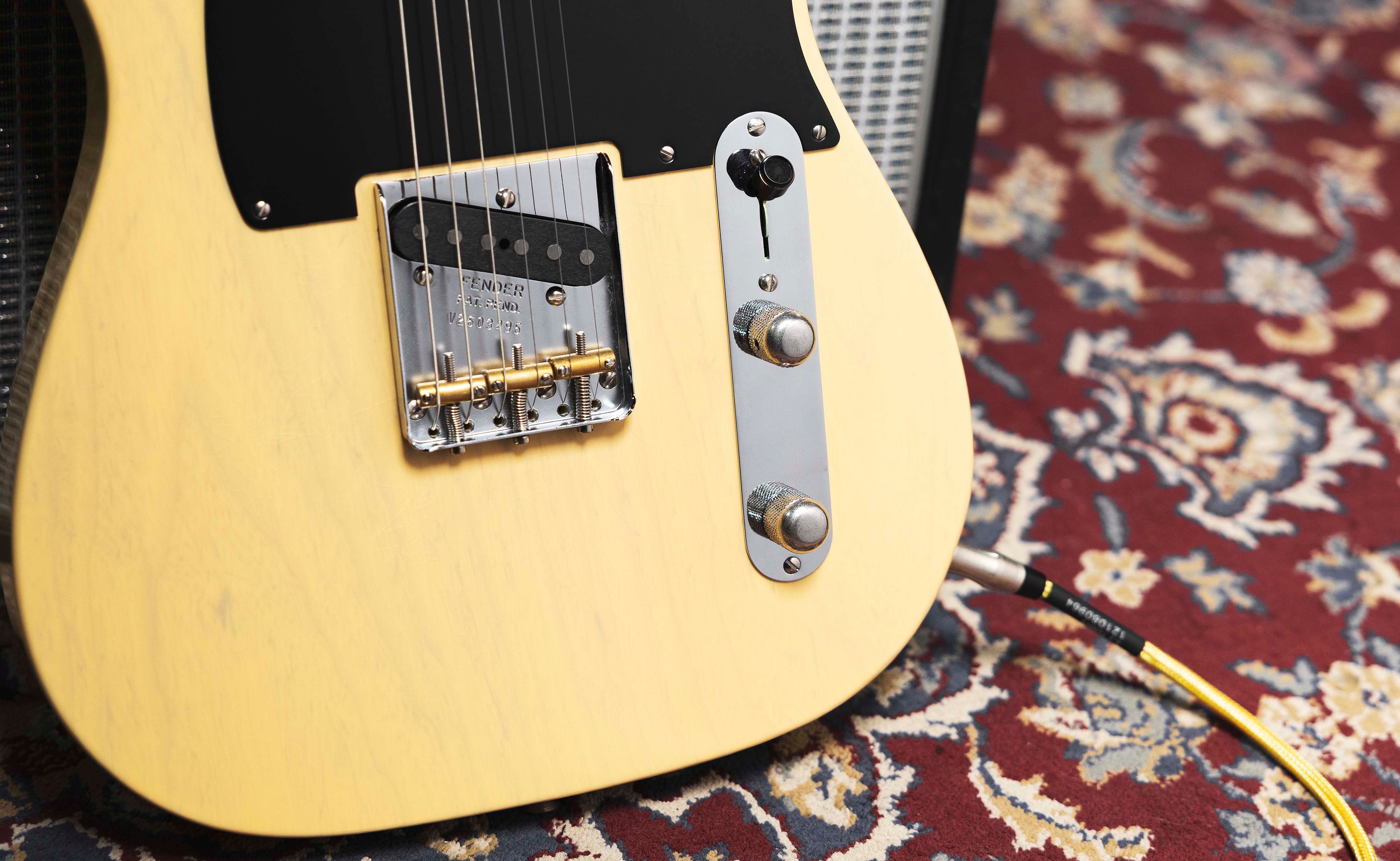
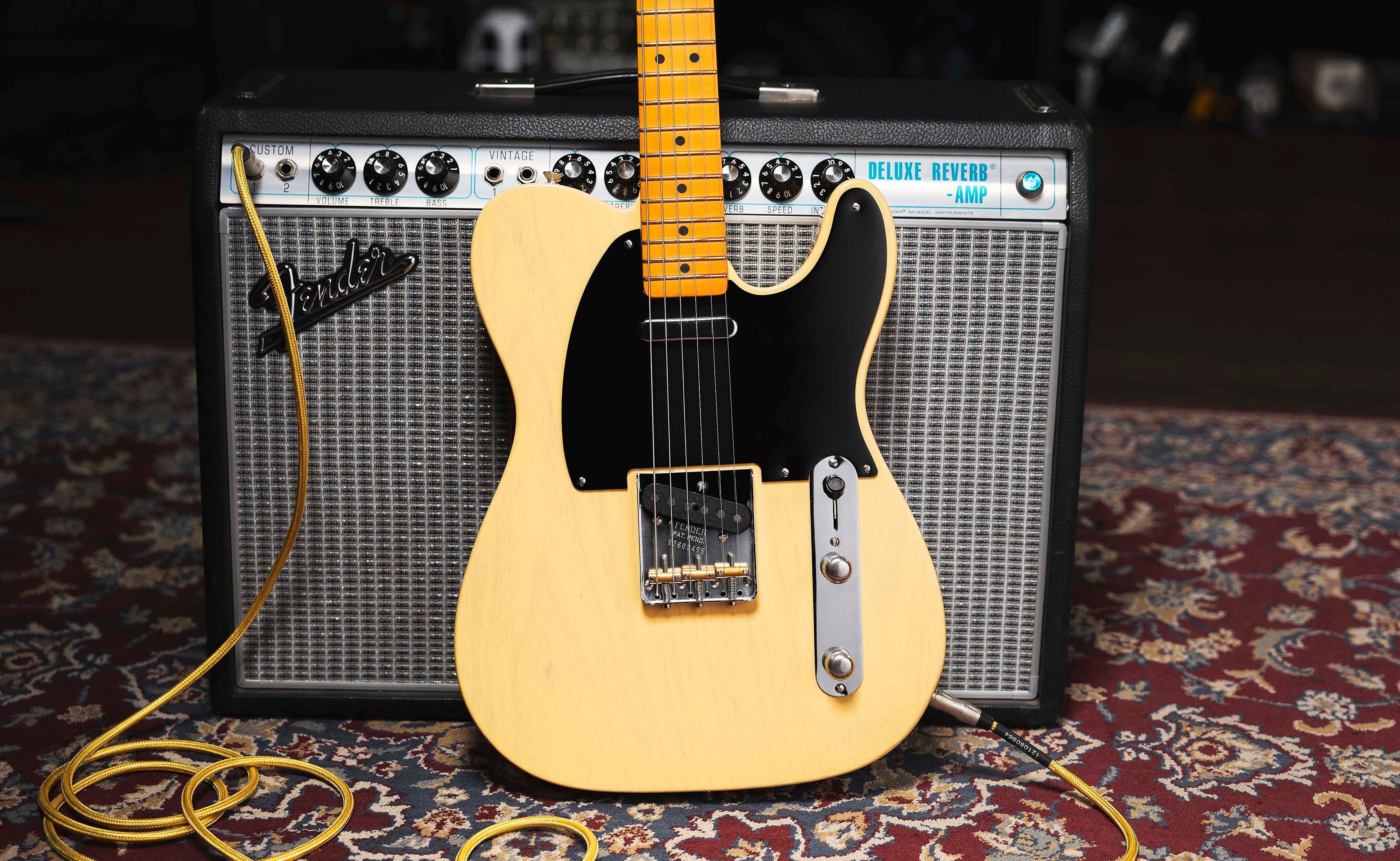
The Telecaster's voice is a matter of physics and stubbornness. The bridge pickup sits in a steel plate that helps focus the magnetic field, producing a bright, cutting snap that has been the backbone of country and rock and roll for seventy-odd years. The neck pickup is rounder and warmer than you'd expect from a guitar with this much attitude. From James Burton's chicken-pickin' to Joe Strummer's buzzsaw rhythm to Muddy Waters' blues, the Tele has always sounded like itself, and that's the point. Plug one in, and you hear it right away.
Versatility
A Telecaster is what happens when an engineer designs a guitar without asking for a mission statement, and it turned out to fit everywhere. Country, blues, punk, indie, funk and rock are all home turf. Even jazz, a genre where you'd expect to find an archtop, has its Tele evangelists. Ed Bickert played a mostly stock Telecaster with a Gibson humbucker swapped into the neck position for most of his career, and on recordings like The Paul Desmond Quartet Live, you'd never guess it wasn't a hollowbody jazz box. Julian Lage has spent his career showing that the same slab of wood can handle bebop lines, Americana and fearless improvisation. Three switch positions (bridge, both, neck), a volume knob and a tone knob cover more ground than the control layouts on many guitars with twice the hardware. If you can only own one electric, this is one of the few instruments that can do the job without complaint.
Mod Factor
The Tele is a slab of wood, a bolt-on neck and a handful of parts, which makes it the friendliest guitar there is for tinkering (or building from parts, but that's another story). Swap the pickups, change the wiring, add a Bigsby, drop in compensated saddles or fit a B-bender like the ones Clarence White and Gene Parsons made famous. The aftermarket is enormous, and if you break something, it's usually fixable. Start stock, then start experimenting. The Tele will not judge you, but your bank account might.
Value
Whatever your budget, there's a Telecaster in it. Squier's Classic Vibe line and Fender's Mexican-made models offer real Tele tone at modest prices, and the used market is exceptionally deep. It's also a guitar that tends to hold its value, so you're less likely to lose money on the deal if you eventually sell. Which, as I look around at the multiple Telecasters in my studio and guitar closet I play on a regular basis, is less likely than it might be with some guitars.
Simplicity
Two pickups. Three switch positions. Two knobs. That's it. There's very little to go wrong and very little to be confused by, which is why Teles are working-musician staples. A Tele that's been through a hundred gigs is just getting warmed up. And that simplicity pays off in giving you a more direct line from your hands to your amp. One thing about the Telecaster is that it is extremely revealing of the player's feel, technique and dynamics.
Conclusion
No guitar is perfect for everyone, and a Telecaster wouldn't claim to be. But it makes a strong case for itself: a great sound, flexibility, room to grow, a fair price and a design so simple it's hard to break. Whether it becomes your main guitar or your trusted second, it will earn its keep. Check our “Guide to the Fender Telecaster” for more information, and, if you become truly obsessed (which is easy enough to do), our “How to Buy a Vintage Fender Telecaster” article.
Either way, a trip to your local Guitar Center is always in order to get hands on with some of these guitars, as is a conversation with your personal Gear Adviser to nail down which Telecaster is the one that belongs in your hands.
Written By: George Van Wagner
George Van Wagner is a writer and editor for Guitar Center, where he has worked since 2007. A multi-instrumentalist, freelance recording engineer, arranger, composer, writer and all-around tech geek, he has over 30 years of experience in the musical instrument industry at companies like Midiman/M-Audio and Line 6, doing everything from customer service and writing user manuals to working in product development. He is currently gigging around Los Angeles with Gruppo Subconscious and Bobby “Hurricane” Spencer.
Be the first to know about exclusive offers, tips and more.

866-498-7882 English
877-687-5402 Español