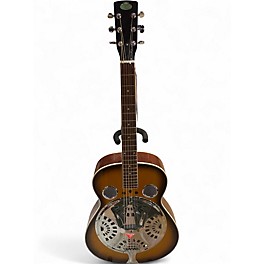
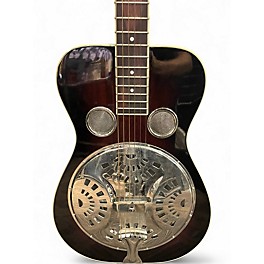
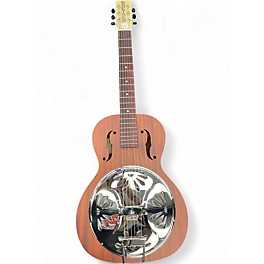
Resonator guitars don’t just stand out—they sing with a voice all their own, thanks to their signature tone and unmistakable look. Originally designed to project more volume than traditional acoustics, resonators quickly found their place in blues, bluegrass and roots music. From the swampy slide work of Son House to the modern mastery of Jerry Douglas and Derek Trucks, resonators have long been the tool of choice for expressive, genre-defining guitarists. Whether you’re after that metallic bark for slide, a full-bodied growl for rhythm or a versatile acoustic-electric for the stage, Guitar Center has a wide selection of resonator guitars to match your sound and style.
Choosing the Right Resonator Guitar for Your Style
Finding the right resonator starts with how and where you play. If you’re a blues guitarist drawn to gritty slide work, a biscuit-style cone with a metal body may be the perfect match. Bluegrass players often prefer spider cones for their warmth and sustain. Looking for something that covers both acoustic and amplified needs? Acoustic-electric models give you resonator tone onstage or in the studio. Body material, cone type and playing technique all factor into which resonator best fits your voice.
Key Resonator Guitar Types and Features
Cone Types: Tricone, biscuit, spider
Body Materials: Wood, metal, hybrid (metal cone with wood body)
Best For: Blues, bluegrass, Americana, slide guitar, folk, roots music
What are the pros and cons of tricone vs. biscuit vs. spider resonators?
Tricone
Pros: Smooth sustain, complex overtones
Cons: Slightly heavier and more expensive
Biscuit
Pros: Punchy attack, strong mids—great for blues
Cons: Less sustain and warmth than other styles
Spider
Pros: Rounder tone, longer sustain—favored for bluegrass
Cons: Less aggressive for slide-focused playing
Can I use a resonator for both acoustic and electric performances?
Yes—acoustic-electric resonators give you stage-ready tone with onboard electronics. Look for models with under-saddle pickups or onboard preamps for versatile use.
What’s the difference between round-neck and square-neck resonators?
Round-neck models are played like standard guitars and are great for fingerstyle or slide. Square-neck resonators are designed for lap-style playing and offer a higher action—perfect for traditional bluegrass slide technique.
What type of player benefits most from a resonator?
Resonators are ideal for guitarists looking to add character and projection to their sound. They’re also a favorite for players exploring vintage blues, roots rock or folk traditions. If you use alternate tunings or play slide, a resonator opens up new textures and tonal options.
With a distinct look and sound, resonator guitars are as unique as the music they make. Whether you're looking to expand on your playing capabilities or to replace an old favorite, you've come to the right place. And because resonators featured in a variety of makes, designs and styles, no matter which guitar you choose you'll feel like you're getting your own customized instrument. Originally designed to project louder than traditional all-wood acoustic guitars, resonators quickly found their place in the genres of bluegrass and blues because they didn't need amplification to stand out amongst the other instruments in a band. Fun to play and full of soul, these guitars are still used to create some of the world's most iconic music today.
If you're new to resonators, there are a variety of options to choose from in this section that will help you get comfortable with the instrument. Before picking one out though, there are a few things you should think about to make sure you are happy with your choice. First, which type of resonator are you looking for? The three main designs are ‘tricone', ‘biscuit' and ‘single cone spider', each offering a different sound, so knowing which type produces the tone you want should be at the top of your list. As well, what type of construction are you considering? Because blending different varieties of woods and metals will produce different sounds when you play, understanding what you want ahead of time can instantly help narrow down your decision.
On the other hand, if you're a more advanced player, you will already know what sound you're looking for, so take your time to browse the entirety of this section to make sure you find exactly what you're after. If you're all about stage presence, there are options here to accommodate that as well. For a resonator that looks as good as it sounds, consider the Dean Chrome G Acoustic-Electric Resonator Guitar. Featuring an engraved two-toned body and eye-catching "F" soundholes, this guitar also includes a versatile electronics system, allowing you to effortlessly produce both electric and acoustic tones. Known for their loud, personality-driven sound, a resonator will change the way you play guitar. We promise, once you pick one up it will be hard to put it back down.