


DigitalPianistSynths
.jpeg)

Pro Gear Advisers
•866-498-7882
Guitars
Guitars
Amps & Effects
Amps & Effects
Used & Vintage
Keyboards & MIDI
Keyboards & MIDI
Drums
Drums
DJ Equipment
DJ Equipment
Basses
Basses
Recording
Recording
Live Sound
Live Sound
Accessories
Accessories
Mics & Wireless
Mics & Wireless
Music Software
Music Software
Lighting
Lighting
- Popular Brands
Band & Orchestra
Band & Orchestra
Platinum Gear
Deals
New Arrivals
Open Box
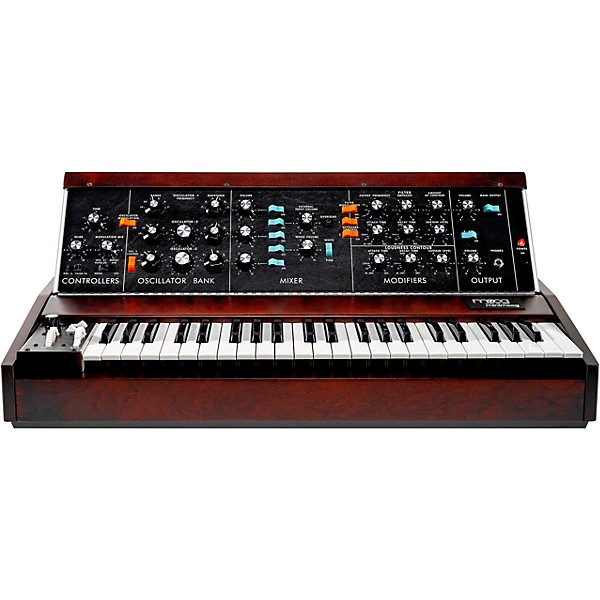
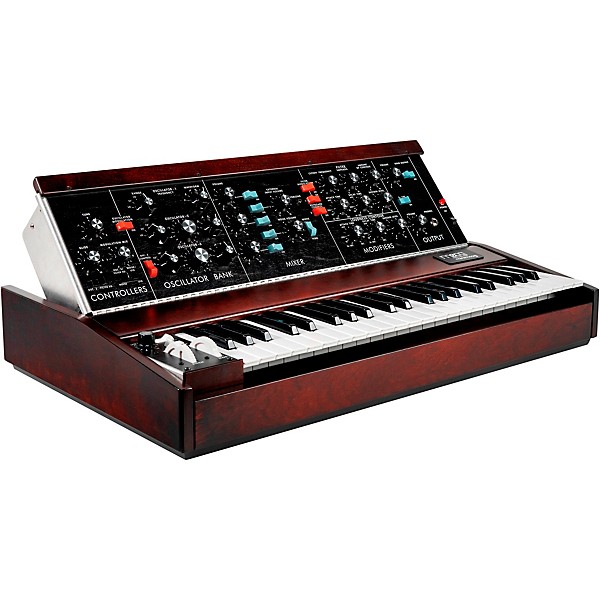
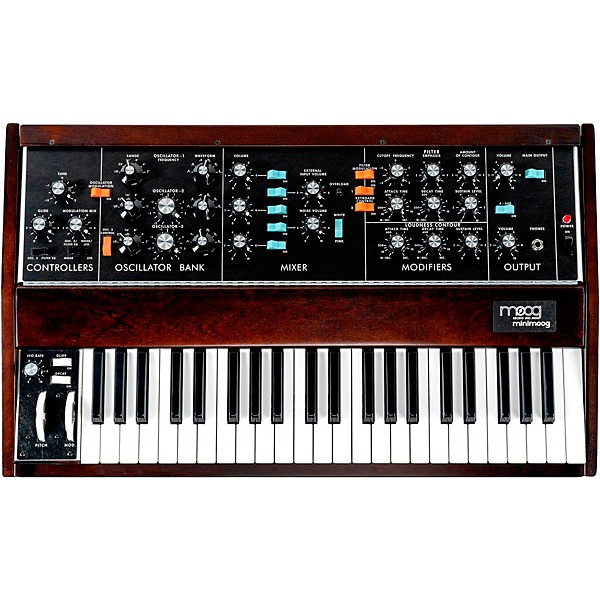
Open Box Moog Minimoog Model D Monophonic Analog Synthesizer 2022 Reissue Level 1 Dark Cherry
Condition:Open Box - Like New
$4,399.12
6-month special financing^ + $219 back in Rewards** Limited time Learn More

Protect your gearLearn more
Cover drops, spills or cracks with Pro Coverage

Need Help?
Videos (2)
View All
Moog Minimoog Model D Analog Synthesizer Demo with Mikael Jorgensen

Minimoog Model D | The Will Gregory Moog Ensemble | Archimedes Screw

Description
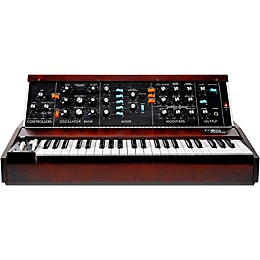
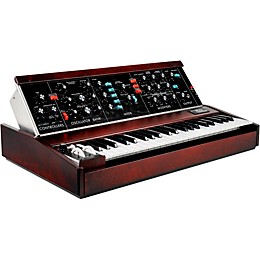
Long before presets, menus and software instruments, one synthesizer defined what electronic music could be. First introduced in 1970, the Minimoog Model D set the blueprint for modern keyboard synthesis by distilling the colossal sound of Moog’s modular systems into a portable, performance-ready instrument. Its three-oscillator analog architecture, iconic ladder filter and immediate hands-on interface made powerful sound design accessible across genres. Now meticulously reissued with carefully considered modern enhancements—including a dedicated LFO, MIDI and CV connectivity, custom reissue transistors and a premium Fatar keybed with velocity and aftertouch—the Minimoog Model D remains a foundational instrument for producers, keyboardists and sound designers seeking unmistakable tone, depth and expressive control.
The Analog Sound Engine That Shaped Music History
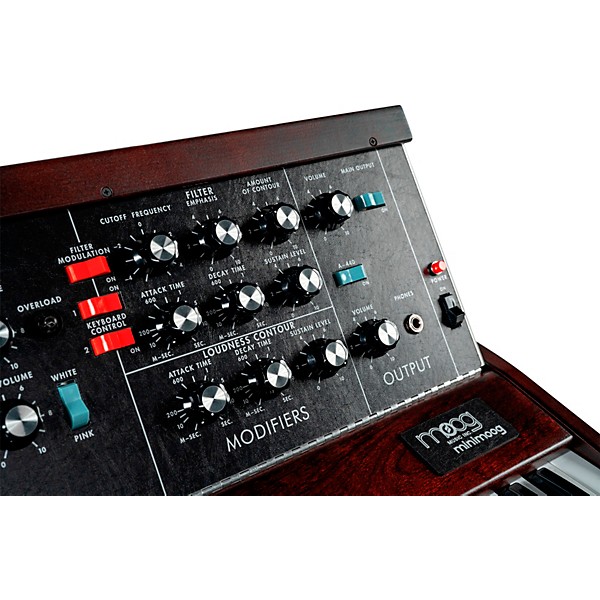
At the heart of the Minimoog Model D is a classic three-voltage-controlled oscillator design capable of producing thunderous basslines, singing leads and harmonically rich textures. These oscillators feed directly into Moog’s legendary 24dB/oct ladder filter, prized for its smooth resonance, musical saturation and unmistakable warmth. A fully discrete analog signal path preserves the organic response and dimensionality that made the Model D a studio and stage staple for decades. The result is instantly recognizable tone that sits naturally in a mix with little to no additional processing.
Expressive Performance Control With Immediate Hands-on Workflow
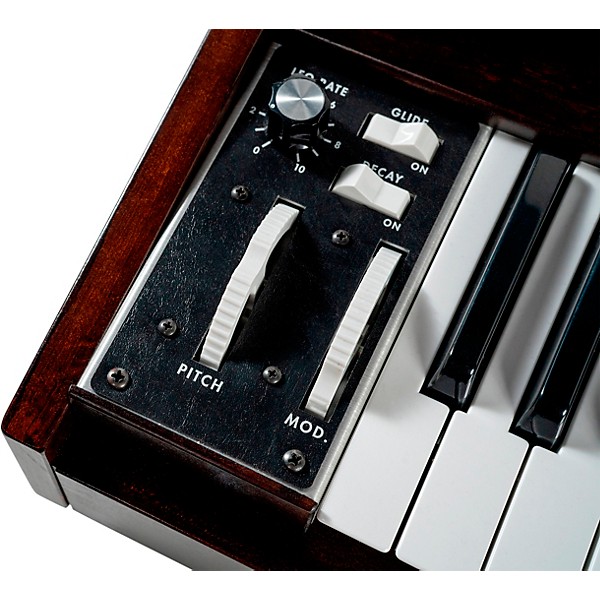
Designed first and foremost as a playable instrument, the Minimoog Model D responds directly to the musician’s touch. Its semi-weighted Fatar keybed supports velocity and aftertouch, enabling dynamic phrasing and nuanced expression through CV outputs. Dedicated pitch and modulation wheels invite real-time bends, vibrato and evolving modulation, while the uncluttered front-panel layout encourages exploration without menus or screens. Every control is positioned for instinctive interaction, making sound shaping feel musical, immediate and deeply engaging.
Expanded Modulation, Routing and Modern Connectivity
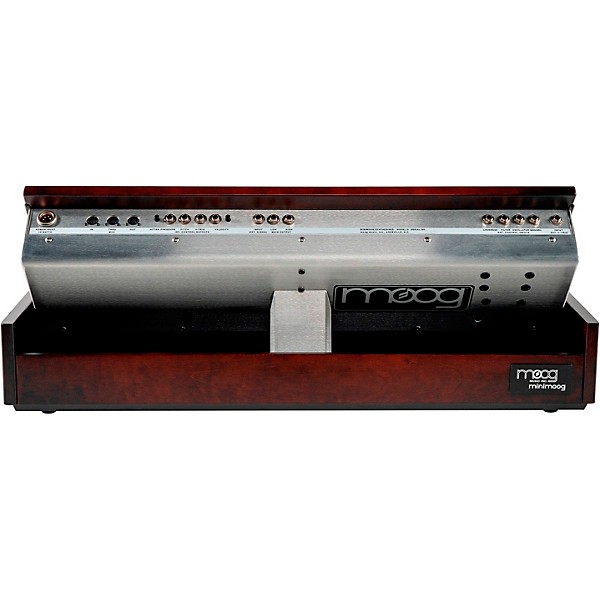
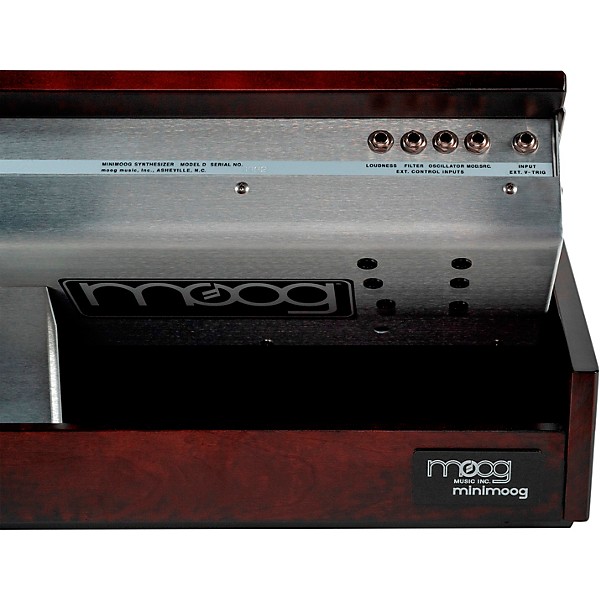
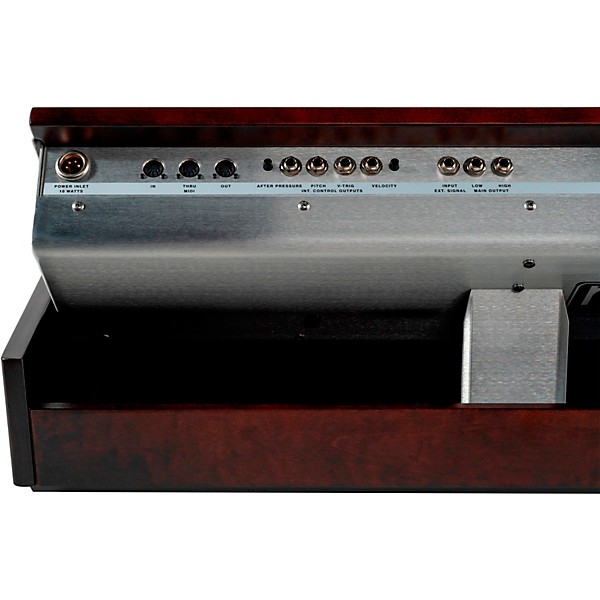
While faithful to its original sound engine, the modern Model D expands its creative reach with thoughtfully integrated features. A dedicated analog LFO and noise generator enhance classic subtractive synthesis possibilities, while flexible modulation paths invite deeper experimentation. MIDI In, Out and Thru ensure seamless integration with DAWs, controllers and contemporary studio setups, while CV and Gate connections allow direct communication with modular and vintage synth systems. This blend of classic circuitry and modern connectivity makes the Model D a powerful anchor for hybrid production environments.
Handcrafted Build Quality and Enduring Moog Legacy
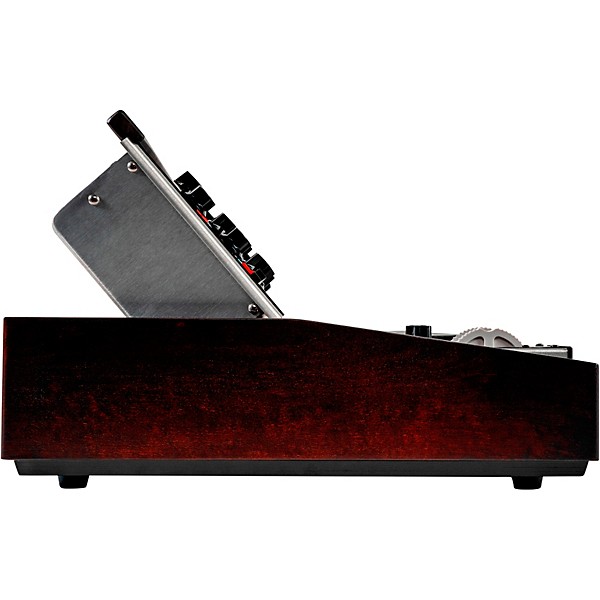
Each Minimoog Model D is handbuilt in the USA using premium components, a solid hardwood cabinet and a rugged metal chassis designed for decades of use. Faithful to the original 1970 design, the construction preserves exact component placement and through-hole architecture while meeting modern reliability standards. More than a studio tool, the Model D stands as a centerpiece instrument that reflects Moog’s commitment to craftsmanship, musicality and long-term durability.
A Timeless Instrument for Musicians Who Demand More
The Minimoog Model D delivers unmistakable analog tone, expressive control and timeless musicality in a single instrument. Trusted by generations of artists and still unmatched in character and immediacy, it remains the benchmark for what an analog monophonic synthesizer should sound and feel like. For musicians who value depth over presets, interaction over automation and tone over trends, the Model D is more than a synthesizer—it’s the sound that started it all.
Features
- A modern reissue of the legendary Minimoog Model D
- Three oscillators with six waveforms deliver rich, versatile analog sound design
- Legendary Moog low-pass ladder filter shapes tones with smooth precision
- Dedicated analog LFO adds modulation for dynamic, evolving textures
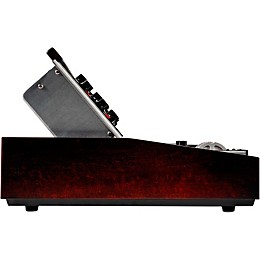
- Handcrafted Appalachian hardwood cabinet ensures durability and classic aesthetics
- 44-key Fatar keybed with velocity and aftertouch for expressive control
- MIDI integration enables seamless connection with modern studio setups
- Mixer feedback modification creates overdriven tones for added sonic character
- Spring-loaded pitch wheel allows precise bends and performance flourishes
- External audio input lets you process sounds through the analog signal path
- Built with original 1970s component placement for authentic vintage sound
Specs
General
- Product type: Analog synthesizer keyboard
- Key count: 44
- Key range: F0 to C4
- Key action: Synthesizer (spring)
- Note priority: User selectable (low, high, last)
- Sound sources: 3 oscillators, noise generator, external audio input
- Oscillator frequency range: .1 to 20kHz (in six overlapping ranges)
- Oscillator stability (short term): >.25%
- Oscillator waveforms: Triangle, triangle-sawtooth, reverse sawtooth, sawtooth, rectangle, wide pulse, narrow pulse
- Filter type: Low-pass ladder filter
- Mixer feedback modification: Yes
- Dedicated analog LFO: Triangle and square waveshapes
- Signal path: All-analog
- Pitch wheel: Spring-loaded with center deadband
- Velocity sensitivity: Yes
- After pressure sensitivity: Yes
- Top panel CV jacks: Yes
- Onboard trimpots: Yes
- MIDI integration: Yes
- External audio input: Yes
- Cabinet material: Appalachian cherry wood
- Chassis material: Hand-finished aluminum
Featured Articles
Reviews
4.5
4 Reviews
67%
of respondents would recommend this to a friend
Filters
Best Uses
- Electronic Music1
Cons
- Overpriced1
- Expensive1
Describe Yourself
- Experienced2
- Professional Musician1
Pros
- Responsive / Good Action2
- Appearance1
- Easy to Use1
- Good Audio1
- Awesome sound1
Reviewed by 4 customers
Awesome But Extremely Overpriced
submitteda year ago
byBret
fromMinneapolis
This reissue is gorgeous and sounds great. I think Moog made a misstep by pricing this at 5k though. It looks silly sitting next to their complex 8 voice poly (the Muse), which involves way more components as well as R&D. The MiniMoog, while glorious, is a very simple synth by today's standards. Also, most of the R&D was already completed since these are re-issues. I think these should be priced closer to the Matriarch (which is also way more complex/way more components). Maybe add a few hundred for the nice wooden chassis (which looks awesome), but that's still about half of the current price. Instead, Moog has chosen to leave their MiniMoog legacy in the hands of wealthy collectors instead of working musicians by pricing their vintage reissues preposterously high (see also the Model 12). I think this type of greedy decision making ended up hurting them in the long run.
Mog Mog board
submitted2 years ago
byBob
frommogville usa
Its mogging all the other mog boards
Obvious pros and cons
submitted2 years ago
byMo
fromLas vegas
I'll say first that I'm very happy with my purchase. This thing blows away all other synths, hardware and vst, that I have ever owned. I've listened to countless comparisons between this and the cheaper alternatives and if you listen with good ears and a solid listening environment/high quality headphones, you'll know there's no comparison as the model d has life and grit to it that the others are missing. The modern features offer more control while still retaining the old workflow, aka it's inspiring to work on. However, my critiques: its still not a vintage model d. It's missing the oomph in the lower end and can sound boxier, but this is being nitpicky. Unless you're Hans Zimmer with a million dollar budget for your project and can afford the higher cost and cost of repairs/maintenance of a 70's vintage, this will be more than enough for projects for years to come. If you do purchase it, keep in mind that some of the earlier releases had a problem with aftertouch. Just make sure your model is after #3160 (I believe) and test it out.
It's MiniMoog nuf said
submitted2 years ago
bySam
fromSan Jose, CA
I had MiniMoog plug on every project for the past 15 yers. The one in a flesh asks me to play differently. Do things I never did before. Not much you can do with two hands, but tweaks an twangs you can play are most precious. And it's the one of my own!
- Previous
- 1
- Next
Q&A
Have a question about this product? Our expert Gear Advisers have the answers.
No results but…
You can be the first to ask a new question.
It may be Answered within 48 hours.
Be the first to know about exclusive offers, tips and more.

866-498-7882 English
877-687-5402 Español