Guitar Center logo
gear advisor icon
Pro Gear Advisers
866-498-7882


$69.99

GEARCARD
6-month special financing^ + $3 back in Rewards** Limited time Learn More

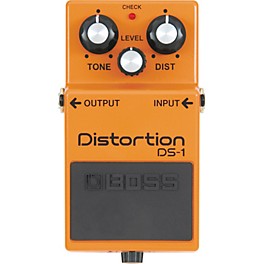
BOSS DS-1 Distortion Pedal

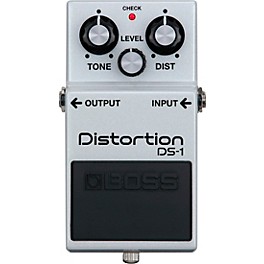
Few distortion pedals have shaped modern guitar tone as profoundly as the BOSS DS-1. Its unmistakable bite, tight low end and articulate attack have fueled everything from ’80s shredding to alternative rock anthems, earning a place on iconic boards belonging to Kurt Cobain, Johnny Marr, Steve Vai and Joe Satriani. More than a budget-friendly stompbox, the DS-1 is a lesson in how a simple circuit can deliver musical results that translate across genres and generations. Whether you’re chasing classic crunch or a more aggressive edge, it responds with clarity that highlights your technique rather than masking it.

Legendary Distortion With Player-Focused Control

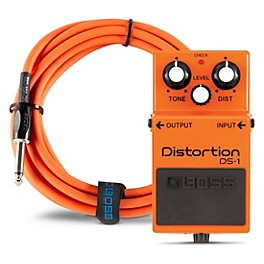
The DS-1’s three-knob layout makes shaping your distortion feel intuitive, not technical. Level and Distortion controls let you set everything from a tight rhythm grind to a saturated lead voice, while the Tone knob fine-tunes the EQ to suit single-coils, humbuckers or any amp you favor. This straightforward design is part of its enduring appeal—you can arrive at a balanced, mix-ready sound in seconds, all while retaining the pick dynamics and playing nuances that define your style.

Road-Tested Durability and Timeless Reliability

Built with the rugged metal chassis BOSS pedals are known for, the DS-1 is designed to endure years of rehearsals, sessions and stages. Its analog circuitry has remained consistent since 1978, a testament to how right they got it the first time. That reliability is why touring players continue to trust it: stomp hard, night after night, and it just keeps delivering the distortion character that made it famous.

A Classic Entry Point Into Creative Tone Shaping

For guitarists starting to explore effects, the DS-1 offers an accessible way into tone experimentation without compromising on sound quality. It encourages learning—how gain interacts with picking dynamics, how EQ reshapes distortion, how different guitar and amp pairings respond. There's a reason the DS-1 remains a staple on pedalboards around the world. Its combination of versatility, character and durability gives players a trusted source of distortion they can build their voice around. If you're ready to explore a true classic—and hear why it continues to inspire artists across genres—the BOSS DS-1 is ready to lead the way.

BOSS DS-1: FAQ

What does the BOSS DS-1 Distortion pedal do? The BOSS DS-1 adds distortion to a guitar signal, producing a crunchy, saturated tone suited for rock, punk and heavier styles. Its Tone, Level and Distortion controls allow players to shape gain intensity and overall brightness.

When was the BOSS DS-1 first released? The BOSS DS-1 was introduced in 1978 and remains one of the longest-running distortion pedals in continuous production. It was the first distortion pedal released under the BOSS brand.

Did Kurt Cobain use a BOSS DS-1? Yes. The late Kurt Cobain used a BOSS DS-1 Distortion pedal during Nirvana’s early years, including performances around the Bleach era, before later incorporating the DS-2 Turbo Distortion into his rig.

What types of music is the BOSS DS-1 commonly used for? The DS-1 is widely used for rock, punk, alternative and grunge tones. Its bright, cutting distortion helps guitars stand out in dense band mixes.

Can the BOSS DS-1 be used with bass or other instruments? Yes. While designed for electric guitar, the DS-1 can also be used with bass, keyboards or synths to add aggressive distortion, though bass players may notice some low-end reduction.

 
More Details

Distortion & Overdrive Effects Pedals

Unleash powerful rock tones with Distortion Pedals, the essential stompboxes for adding grit, sustain, and harmonic richness to your guitar signal. Born from early experiments like intentionally overloading amps or even slashing speaker cones, the quest for saturated guitar distortion led to dedicated pedal circuits. These gain pedals work by clipping your signal, ranging from smooth overdrive pedals that push your amp gently, to full-bore distortion that transforms your sound entirely. Whether you seek classic crunch or modern high-gain mayhem, it all starts here.

1-24 out of 5070 products

Special Financing Available
Learn More
Special Financing Available
Learn More
Special Financing Available
Learn More
Special Financing Available
Learn More
Special Financing Available
Learn More
Special Financing Available
Learn More
Special Financing Available
Learn More
Special Financing Available
Learn More
Guitar Center Exclusive
Special Financing Available
Learn More
Special Financing Available
Learn More
Special Financing Available
Learn More
Price Drop
Special Financing Available
Learn More
Special Financing Available
Learn More
40% Off Open-Box Savings Available
Special Financing Available
Learn More
Guitar Center Exclusive
Special Financing Available
Learn More
Guitar Center Exclusive
Special Financing Available
Learn More
Guitar Center Exclusive
Special Financing Available
Learn More
Special Financing Available
Learn More
Special Financing Available
Learn More
Special Financing Available
Learn More
Guitar Center Exclusive
Special Financing Available
Learn More
Special Financing Available
Learn More
Special Financing Available
Learn More
Special Financing Available
Learn More

1-24 out of 5070 products

 
Since the early days of the electric guitar, blues musicians searched for different ways to overdrive their amplifier's signal. Of course, when rock ‘n’ roll took off, the process of "distorting" a guitar tone became a lot easier thanks to new amp and pickup designs. Soon, musicians such as Link Wray were making a name for themselves with the use of distortion. By the mid ’60s, fuzz pedals were being used by teenage garage rockers around the world while Dave Davies, Pete Townshend and other rock legends made distortion and overdrive a part of their signature sound. Today, distortion and overdrive effects pedals are a dime a dozen, and a quick glance at this section will make that obvious.

If you're new to distortion and overdrive pedals, you might be wondering what the difference is between them. For the most part, they do the same thing and are both often referred to as gain pedals. How they differ is that distortion pedals usually provide a harsher, grittier tone with increased sustain. When it comes to distortion, think of grunge and death metal. On the other hand, overdrive pedals are designed to emulate the sound of a tube amp when you increase their volume. The result is a warm yet crunchy sound that's ideal for playing blues and classic rock. Of course, one is not better than the other, and the right distortion or overdrive pedal for you will be a matter of personal preference.

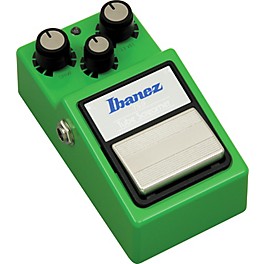
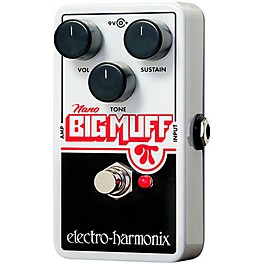
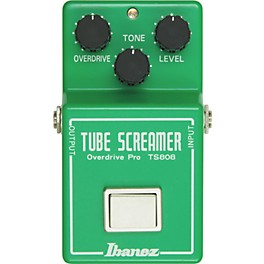
For an overdrive pedal, turn your attention to the TS9 Tube Screamer. Compact yet versatile, this pedal is great for anyone who likes a raw vintage-like overdrive, and it even makes a great boost pedal. Now, if it's a distortion pedal that you're after, take a closer look at the Electro-Harmonix Classics USA Big Muff Pi Distortion/Sustainer. The Big Muff Pi is a legendary pedal in itself, and this reissue has three controls that let you dial in the finest harmonic distortion/sustain ever produced. From warm bass to crisp treble, you'll be blown away by what this distortion pedal can do for your hard-rocking guitar performance.

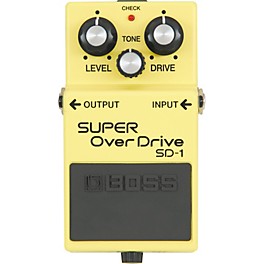
Along with the options mentioned, be sure to check out other overdrive and distortion pedals, including the BOSS Super OverDrive SD-1, TC Electronic Dark Matter distortion pedal or MXR M75 Super Badass pedals. Whether you're going for a heavy Sabbath-like snarl, the cutting buzzsaw tone of Johnny Ramone or Cobain's feedback-drenched squeals, the right distortion and overdrive effects pedal for you is waiting in our inventory. Get yourself something new or try a tried-and-true classic from our Used & Vintage collection.