Guitar Center logo
gear advisor icon
Pro Gear Advisers
866-498-7882

Acoustic Guitar Strings

1-24 out of 460 products
$99+ Qualifying Accessories
Special Financing Available
Learn More
$99+ Qualifying Accessories
Special Financing Available
Learn More
$99+ Qualifying Accessories
Special Financing Available
Learn More
$99+ Qualifying Accessories
Special Financing Available
Learn More
$99+ Qualifying Accessories
Special Financing Available
Learn More
$99+ Qualifying Accessories
Special Financing Available
Learn More
$99+ Qualifying Accessories
Special Financing Available
Learn More
$99+ Qualifying Accessories
Special Financing Available
Learn More
$99+ Qualifying Accessories
Special Financing Available
Learn More
$99+ Qualifying Accessories
Special Financing Available
Learn More
$99+ Qualifying Accessories
Special Financing Available
Learn More
$99+ Qualifying Accessories
Special Financing Available
Learn More
$99+ Qualifying Accessories
Special Financing Available
Learn More
$99+ Qualifying Accessories
Special Financing Available
Learn More
$99+ Qualifying Accessories
Special Financing Available
Learn More
$99+ Qualifying Accessories
Special Financing Available
Learn More
$99+ Qualifying Accessories
Special Financing Available
Learn More
$99+ Qualifying Accessories
Special Financing Available
Learn More
$99+ Qualifying Accessories
Special Financing Available
Learn More
$99+ Qualifying Accessories
Special Financing Available
Learn More
$99+ Qualifying Accessories
Special Financing Available
Learn More

1-24 out of 460 products
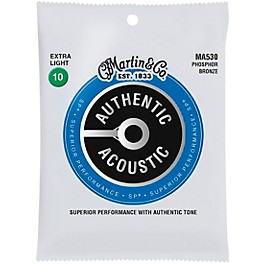
 

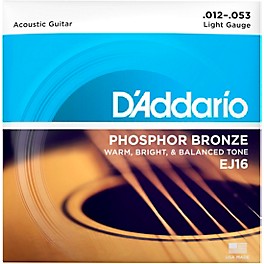
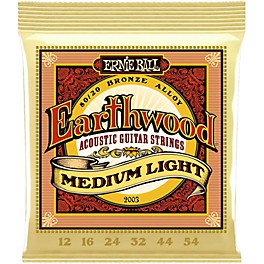
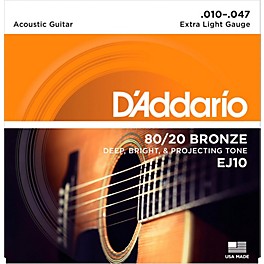
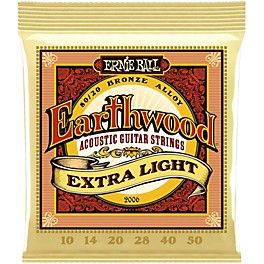
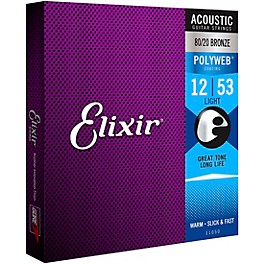
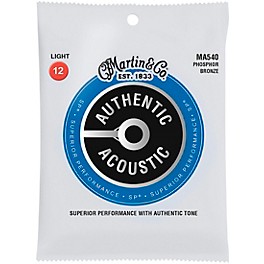
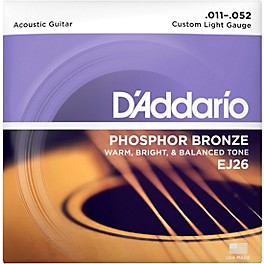
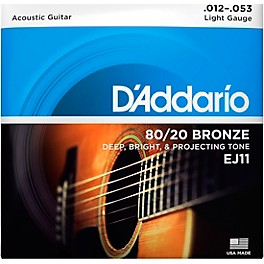
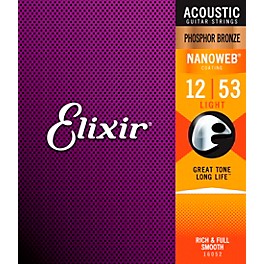
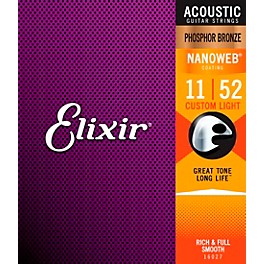
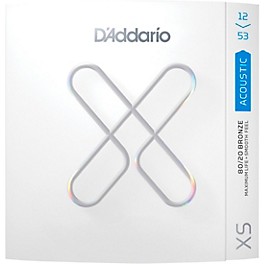
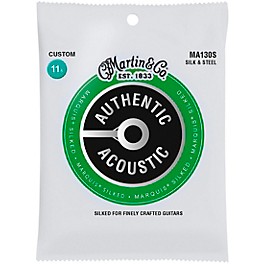
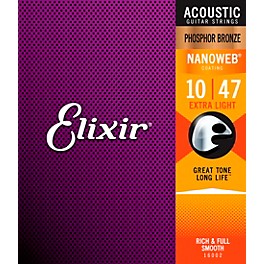
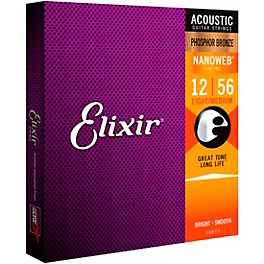
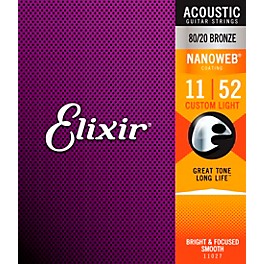
The strings you choose for your acoustic guitar have a huge impact on tone, feel and performance. Whether you’re playing an intimate fingerstyle set or strumming big open chords around a campfire, the right acoustic guitar strings can help bring out the best in your instrument—and your performance. Materials, coatings and gauges all make a big difference in how your guitar sounds and feels. Acoustic strings aren’t one-size-fits-all, and experimenting with different types is part of the fun. From bright and bold to warm and mellow, top brands like D’Addario, Elixir and Martin offer a wide range of acoustic guitar strings to match every guitar, every style and every player.

Steel vs. Nylon: What’s the Difference?

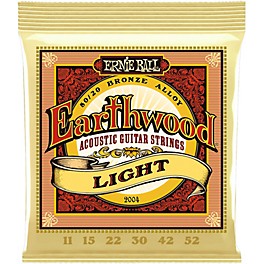
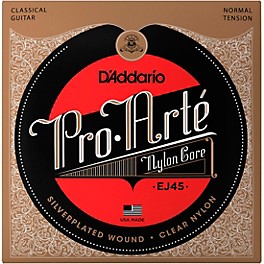
Most acoustic guitars are made for steel strings, which produce a crisp, punchy sound with strong projection—perfect for strumming and modern fingerpicking. Classical guitars, by contrast, use nylon strings for a mellow, rounded tone that’s easier on the fingers. They’re ideal for classical, folk, flamenco and Latin styles. Popular brands like Savarez and Augustine specialize in nylon, while steel-string players often turn to phosphor bronze or 80/20 sets from Martin, Elixir or Ernie Ball. Whether you need long-lasting coated strings or a fresh uncoated set, there’s a perfect match for your acoustic guitar strings needs.

Key Recognizable Acoustic Guitar String Features:

  • Steel vs. Nylon: Steel for crisp tone, nylon for mellow sound
  • Popular Alloys: 80/20 bronze, phosphor bronze, silver-plated copper
  • Coated or Uncoated: Coated lasts longer, uncoated has more brightness
  • Gauge/Tension: Light, medium, heavy (steel); Normal, hard (nylon)
  • Core Type: Hex core (steel), multifilament (nylon)
  • Winding Style: Roundwound (standard), flatwound (less common)
  • String Ends: Ball end (steel), tie end (nylon)
  • Top Brands: D’Addario, Elixir, Martin, Ernie Ball, Savarez

What are the pros and cons of different acoustic string types?

  • Steel String Pros: Bright, loud, versatile tone; fits most modern acoustics
  • Steel String Cons: Higher tension—can be tough for beginners
  • Nylon String Pros: Softer feel, mellow tone, easier on the fingers
  • Nylon String Cons: Lower volume; not compatible with steel-string guitars
  • Coated String Pros: Long-lasting tone; resistant to dirt and sweat
  • Coated String Cons: Slightly muted tone; costs more than uncoated

Can I use steel strings on a classical guitar?

No—never put steel strings on a classical guitar. The neck, bridge and bracing of classical guitars are not built to handle the tension of steel strings, and doing so can cause serious damage. Always use nylon strings on classical guitars to protect the instrument and achieve the intended tone.

How often should I change acoustic guitar strings?

That depends on your playing frequency and string type. Coated strings can last months, while uncoated sets might need replacing every few weeks. If your tone sounds dull or your strings feel sticky, it’s time for a fresh set.

What gauge or tension should I use?

Lighter gauges (or normal tension for nylon) are easier to play and good for beginners or fingerstyle players. Medium to heavy gauges give more volume and sustain, and suit strummers or players who like to experiment with alternate tunings.