The accordion is a truly global instrument, known for its lively spirit and wide-ranging versatility. Whether you’re playing folk dances, classical melodies or pop ballads, the accordion delivers rich sound and dynamic performance. From the energetic rhythms of Cajun and conjunto to the expressive tones of French musette and modern singer-songwriter music, there’s a perfect accordion for every genre. With its unique design combining a keyboard (or buttons) and bellows, it offers a truly hands-on musical experience. Leading brands like Hohner, SofiaMari, Roland and Alacran craft high-quality models for every skill level—from traditional acoustic accordions to modern digital versions with expanded features. No matter your style, the right accordion can open up a world of musical possibilities.
Find the Right Accordion for Your Music
Choosing the right accordion depends on the type of music you want to play. Diatonic button accordions are prized for traditional folk styles like Irish reels, Cajun zydeco and Norteño, offering bright tone and rhythmic drive. Piano accordions are incredibly versatile, popular in everything from polka and classical to pop and indie music. Digital accordions, like Roland’s V-Accordions, expand the instrument’s range even further with onboard sounds and MIDI capabilities. Whether you’re learning your first tune or touring internationally, top brands like Hohner, SofiaMari, Roland and Alacran have an accordion to match your sound and goals.
Key Recognizable Accordion Features
Types: diatonic, chromatic, piano, digital (V-Accordion)
Materials: traditional wood, durable plastics, modern electronics
Bass systems: 12, 48, 72 or 120 bass buttons
Reed configuration: single, double or triple reeds
Portability: compact travel models to full-size performance units
Digital features: MIDI, sound expansion (Roland models)
What are the pros and cons of different accordion types?
Piano Accordion
Pros: easier for pianists, versatile sound
Cons: heavier and larger size
Button Accordion
Pros: compact size, faster fingering
Cons: steeper learning curve
Digital Accordion
Pros: wide sound library, MIDI control
Cons: requires power, higher price point
How do I care for an accordion?
Always store your accordion in a dry place and keep it in a padded case when not in use. Wipe it down after playing and avoid exposing it to extreme temperatures or humidity. Regular professional maintenance can keep reeds, bellows and keyboards in top condition.
Can a digital accordion sound like a traditional one?
Yes. Digital accordions, like those from Roland, faithfully model traditional tones while adding features like volume control, onboard effects and MIDI output. They’re perfect for players who want both authentic acoustic sounds and modern performance options.
Should I buy a button accordion or piano accordion?
It depends on your musical goals. Button accordions are best for traditional and regional folk styles, offering a compact, rhythmic sound. Piano accordions are more versatile across genres like classical, pop and jazz, with a familiar keyboard layout that’s easier for pianists to pick up.
What is a good beginner accordion?
For beginners, a lightweight diatonic or 48–72 bass piano accordion from Hohner or SofiaMari is a great choice. These models offer quality craftsmanship, easy handling and tonal clarity—making it easier to focus on building technique and musical expression.
Few instruments exist that have been used in as wide a range of music as the accordion. Though there were some earlier stabs at similar instruments, the modern squeezebox was invented in the early 19th century and has been used in everything from folk music to heavy metal. Related to the harmonica, concertina, harmonium and other free-reed instruments, the accordion suffered from unfair stereotyping for several decades but has been making a recent comeback, with increasing use in a variety of world music.
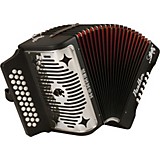
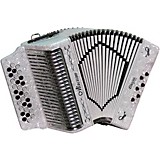
There are a number of different accordion styles available, each suited to a particular style of music. Many folk and ethnic styles use the button style of keyboard, with one or more rows of buttons, each tuned to a diatonic scale for the right hand and left-hand buttons for bass notes and major and minor triads in the appropriate keys. Some of these diatonic accordions offer push buttons that change reed sets, so that a single accordion can handle more musical keys.
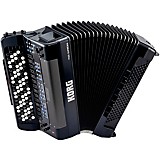
There are also fully chromatic button-style accordions. These accordions, common in Eastern European and Russian music, offer a far greater range, with up to 11 octaves including the left-hand bass notes, but can be somewhat more complex to learn.
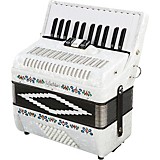
The piano accordion offers a chromatic keyboard in standard piano layout for the right hand with anywhere from 48 to 120 bass and chord buttons for the left, generally in what's known as the “Stradella” or standard bass system. For keyboard players who want to add a bit of variety to their sound, the piano accordion is a natural.
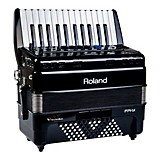
There are even MIDI accordions and controllers, most notably the Roland V-Accordion system, available in both diatonic- and piano-style, for the truly adventurous accordionist. Any way you squeeze it, an accordion can be a great addition to your musical arsenal.
.jpeg)