.jpeg)

Pro Gear Advisers
•866-498-7882
Guitar-A-Thon Exclusives | Fall 2026

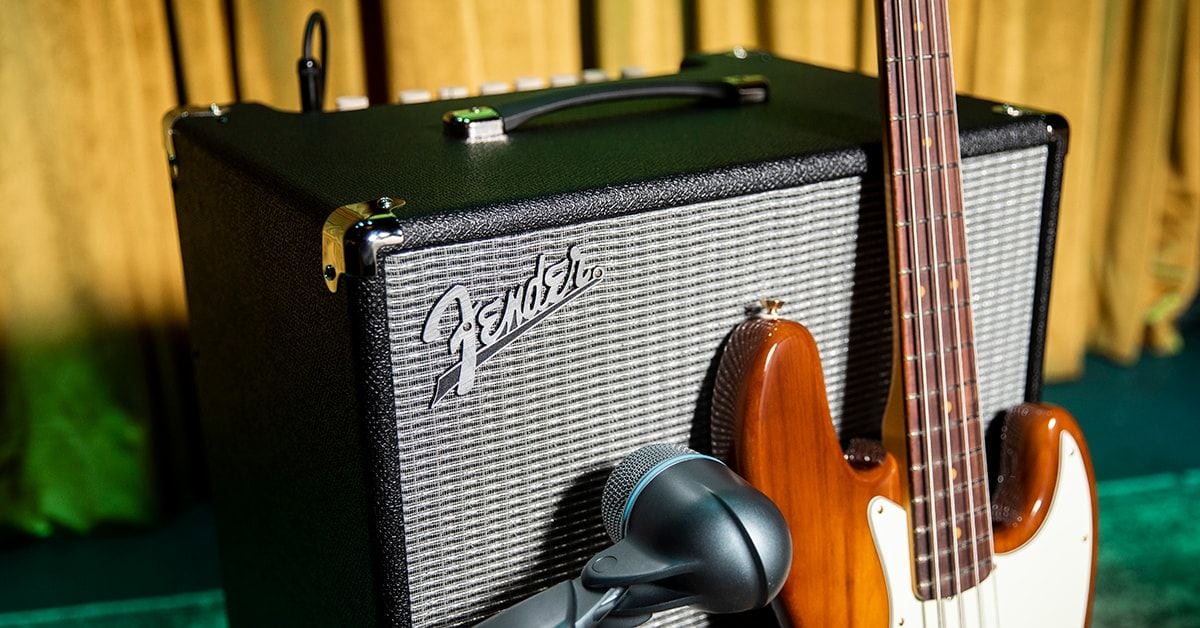
Guitar-A-Thon isn't only a sale. It's a time of year when Guitar Center gets to say, “You can't get this anywhere else,” and actually mean it—versions of familiar instruments, and every so often something built from scratch, that never make it onto anyone else's sales floor.
What counts as "exclusive" is a wider net than people assume. Sometimes it's just a color GC talked a manufacturer into releasing nowhere else. Sometimes it's a color plus a different pickup, a different wood, different hardware, a rewired switching scheme or some other added or modified feature. And “exclusive” isn't a synonym for “limited edition.” Whatever the marketing copy implies—exclusive means it's sold through GC and nobody else; limited edition means there's a ceiling on how many exist or how long you can buy one. A model can be both, either, or—if we're honest about it—neither in any way that matters. The question worth asking isn't which label applies. It's what actually changed, and whether that change resonates with you.
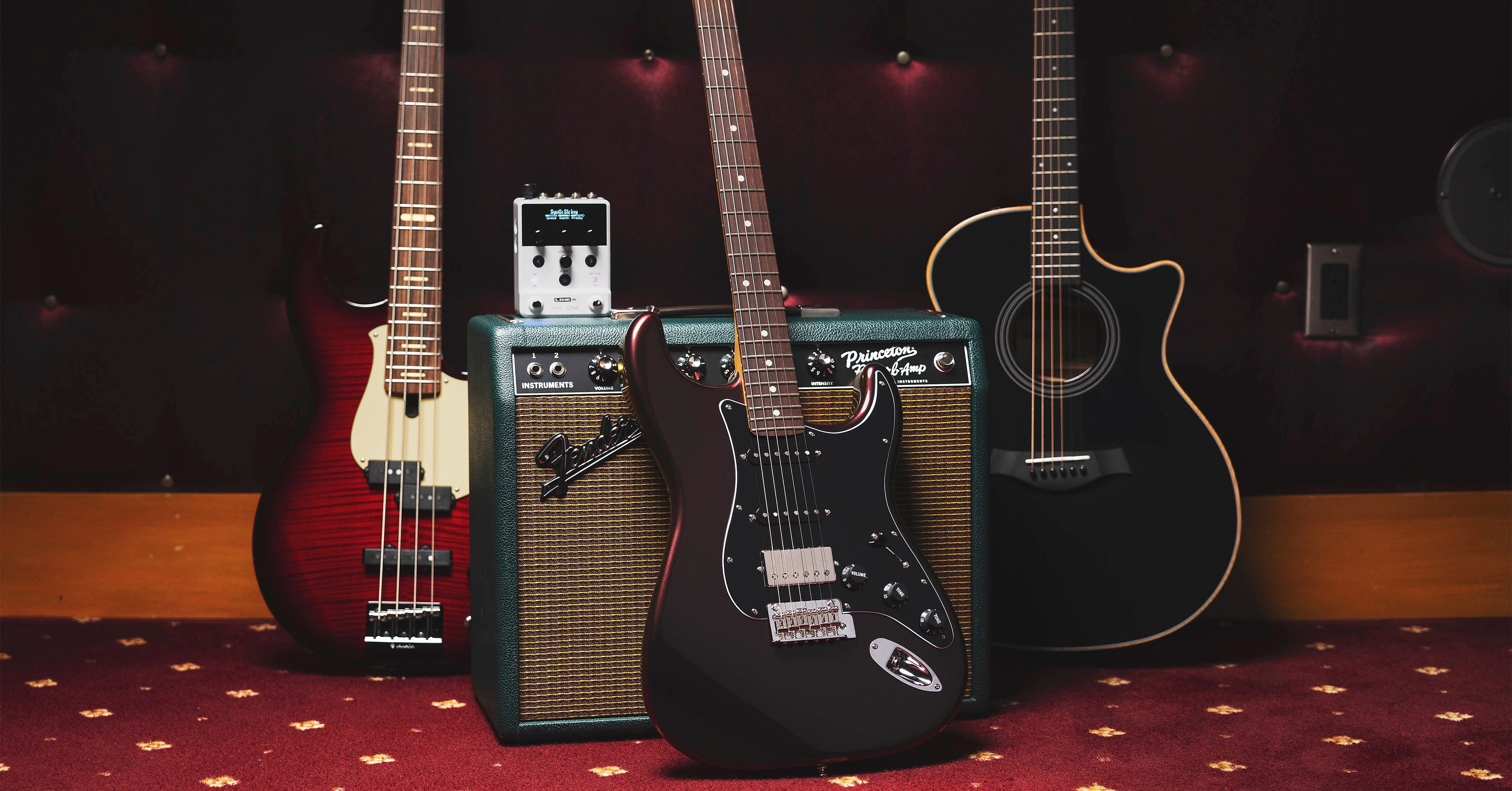
This fall's lineup runs the gamut: finish jobs on platforms that were already proven, guitars where the pickup swap isn't cosmetic, a flame maple-top bass, a run of dedicated lap steels and a pedal that ships with Guitar Center's own presets loaded in. Start with what you need musically, hold the exclusive up against the standard model spec for spec and then decide if the unusual configuration—or, fair enough, just the finish—earns its keep.
Table of Contents
Fall 2026 Guitar-A-Thon Exclusives
Exclusive Electric Guitars
Exclusive Acoustic Guitars
Exclusive Bass Guitars
Exclusive Amps and Accessories
How to Choose Your Guitar-A-Thon Exclusive
FAQs About Guitar-A-Thon
Fall 2026 Guitar-A-Thon Exclusives
Exclusive Electric Guitars
Fender Player II Chameleon Telecaster and Stratocaster
What to Know:
-
Both guitars pair a roasted maple neck and rosewood fingerboard with a 9.5" radius; the Stratocaster adds a two-point bent-saddle tremolo
-
A Seymour Duncan Quarter Pounder bridge pickup gives the Telecaster extra punch, while a Seymour Duncan JB bridge humbucker gives the Stratocaster a higher-output lead and rhythm voice
-
The Chameleon color-shift finish is joined by a model-specific bridge pickup change, so these are more than finish-only Player II variations

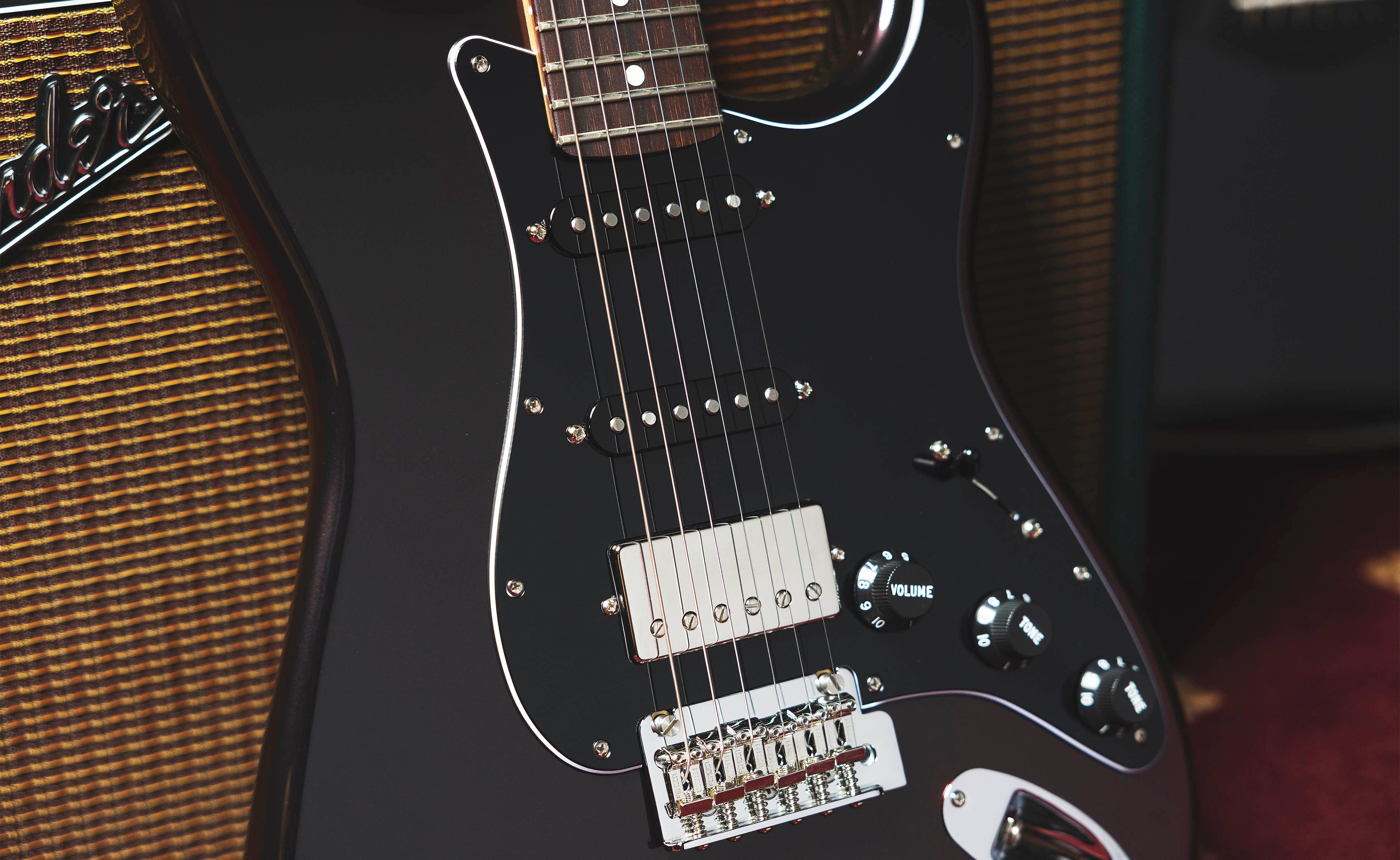
The Chameleon finish is the thing that gets the guitar picked up off the wall—it does the color-shifting trick that makes a guitar look like it's making decisions about how it wants to be photographed. But the pickup swaps are the reason to actually buy it. Fender could have stopped at the finish and called it a day; instead the Fender Player II Tele Chameleon gets a Quarter Pounder in the bridge, which is not a subtle pickup, and the Player II Chameleon Strat gets a JB humbucker, which is the pickup you reach for when single-coil is a nice idea but you need the amp to actually push back.

Neither guitar loses what made the platform recognizable—the Tele's still a Tele, the Strat's still a Strat—they've just been given a little more low end and a little more attitude in the position that needed it most.
Ernie Ball Music Man JP15 Haunted Spalt Burst
What to Know:
-
A spalted maple top sits over a lightweight okoume body, with a roasted figured maple neck and fingerboard, 24 stainless steel frets and a floating tremolo
-
DiMarzio Illuminator pickups, a piezo-equipped bridge, mono/stereo routing and an onboard 20+dB boost cover magnetic, acoustic-like and boosted sounds from one instrument
-
The exclusive element is the spalted maple top in Haunted Spalt Burst; the electronics, neck, bridge and core construction are standard JP15 features

John Petrucci didn't design the JP15 to be one guitar—he designed it to replace the three or four you'd otherwise need to bring to a session. Magnetic pickups for the electric parts, piezo bridge for the acoustic-adjacent moments, a boost circuit for the parts where subtlety has left the building. Guitar Center isn't messing with any of that, which is the correct call—you don't reroute the wiring on a guitar this deliberately engineered just to make a marketing point.
What you get instead with the Ernie Ball Music Man JP15 Haunted Spalt Burst is a spalted maple top, and spalting is fungal decay, technically, which sounds like a strange thing to pay a premium for until you see the top in person. Each one is different. Haunted Spalt Burst is the right name for it.
PRS CE24 Alder Satin
What to Know:
-
An alder body with violin carve joins a bolt-on satin maple neck, rosewood fingerboard, 25" scale and Pattern Thin profile
-
PRS 85/15 humbuckers, coil splitting through the tone control, a Gen III tremolo and Phase III tuners create a flexible Maryland-made stage platform
-
The Guitar Center concept combines alder construction with four satin-nitro colors on a Maryland-made CE24 at a working price of $1,999.99

This is the one in the lineup that isn't really about the finish, satin nitro notwithstanding. PRS built its reputation on figured tops and a level of finish work that borders on furniture grade, and the PRS CE 24 Alder Satin is PRS deciding, on purpose, not to do that. Alder instead of the usual mahogany/maple combination, satin instead of high gloss, bolt-on instead of set neck—every choice strips away a layer of ceremony and gets closer to a working guitar you don't have to be careful with.
For players coming up from an SE or S2, or for Fender and Gibson players curious what PRS switching and tremolo hardware feel like without the ornamentation tax, this is the entry point. USA-made, no drama, priced like it means it.
Sterling by Music Man StingRay Baritone Guitar in Translucent Walnut
What to Know:
-
A 27.5" scale and 12"-radius rosewood fingerboard extend the guitar's range, with a roasted maple neck and locking 4+2 tuners
-
Two Sterling ceramic humbuckers, a three-way toggle and a tremolo bridge support heavy rhythm parts, layered recording textures and pitch movement
-
The translucent walnut finish over the poplar body is the Guitar Center-exclusive element

Baritones justify themselves by doing a job a standard-scale guitar physically can't—the 27.5" scale keeps low tunings from turning to rubber, without asking for the kind of reach that makes an extended-scale guitar feel like a different instrument entirely. That's the whole pitch for the platform, and it's a good one: heavier rhythm parts, cinematic overdubs, anything that wants to live in the register between guitar and bass without borrowing either one's gear.
The translucent walnut finish on this limited-edition Sterling by Music Man StingRay Baritone Guitar doesn't change any of that—it just gives the thing a calmer, more furniture-adjacent presence than the usual StingRay finishes, which tend to announce themselves. Worth being honest that this one's exclusivity is finish-deep; no exotic electronics hiding underneath.
ESP USA M-II HT in Psychedelic Sparkle and Pyromancer Sparkle
What to Know:
-
A one-piece maple neck, ebony fingerboard, stainless steel frets, abalone inlays and fixed Hipshot bridge define the ESP USA platform
-
Stock Fishman Fluence Modern pickups provide the high-output response and switchable voices expected by demanding high-gain players
-
Psychedelic Sparkle and Pyromancer Sparkle supply the Guitar Center-exclusive identity; the fingerboard and pickups are standard specifications, not exclusive upgrades

Everything that actually matters about how the ESP USA M-II HT in Psychedelic Sparkle and Pyromancer Sparkle play was decided before the finish ever came up—fixed Hipshot bridge for tuning stability under abuse, stainless steel frets that won't wear out from the kind of playing this guitar invites, Fluence Modern pickups doing the switchable-voice trick that high-gain players have come to expect as table stakes rather than a bonus feature. None of that is exclusive to Guitar Center, and we're not pretending otherwise.

What we brought to the table are Psychedelic Sparkle and Pyromancer Sparkle, two finishes that are not shy about being seen from the back of a room. If the M-II platform is the specialist's tool, these two finishes are for the specialist who also wants the front row to know it.
Mitchell Airstream LS100 and Jetstream LS200 Lap Steel Guitars
Key Features:
-
The Airstream LS100 uses a coil-tappable humbucker, while the Jetstream LS200 uses a vintage-style soapbar single-coil, low-profile bridge and 18:1 tuners
-
The two pickup approaches let new lap-steel players choose between broader tonal flexibility and a more focused single-coil voice with finer tuning control
-
Contrasting mid-century-inspired designs and colors make this a choice between two dedicated instruments rather than one repainted model

Lap steel is its own vocabulary—long vocal slides, alternate tunings, chords that ring instead of chunk—and you don't need to unlearn six-string technique to start speaking it, which is more than you can say for most detours in this hobby. The Mitchell Airstream LS100 and Jetstream LS200 Lap Steel Guitars two-model approach treats that seriously instead of shipping one lap steel and calling it done.

The $199.99 Airstream and its coil-tappable humbucker is the flexible entry point; the $299.99 Jetstream's soapbar single-coil and upgraded bridge/tuner hardware is for the player who already knows they want the more focused, vintage-leaning voice and doesn't mind paying for the upscaled hardware to get it. Either way, it's an unusually cheap door into a style of playing most guitarists never open.
Exclusive Acoustic Guitars
Fender Acoustasonic Standard Telecaster and Jazzmaster in British Racing Green
What to Know:
-
Both body styles combine a solid Sitka spruce top with a fully chambered nyatoh body and nyatoh neck
-
A Fender Acoustasonic Shawbucker and Fishman under-saddle transducer let players move between electric-leaning and amplified acoustic textures
-
British Racing Green gives the familiar Telecaster and Jazzmaster outlines a automotive-inspired color outside the standard presentation

The Acoustasonic line has always been Fender's answer to a problem most guitarists don't admit to having until it's too late in a session: The acoustic parts need to happen, but you already own a Tele and don't especially want to also own a dreadnought. Chambered nyatoh body, Shawbucker and Fishman transducer working in tandem—the platform genuinely blends electric snap and acoustic air rather than faking one with the other. What's special here is the finish on these Fender Acoustasonic Standard Telecaster and Jazzmaster guitars.

British Racing Green is the kind of color choice that shouldn't work as well as it does on a guitar shape this recognizable; it borrows its restraint from cars that were never trying to be loud, which is a strange but fitting reference point for an instrument built to do two jobs quietly.
Martin D-X1E Special X-Series Dreadnought in White
What to Know:
-
High-pressure laminate is used for the top, back and sides, with scalloped spruce X-bracing and a Richlite fingerboard
-
Martin E1 electronics and a built-in tuner make the dreadnought ready for amplified practice, rehearsal and performance
-
The white body and gold enclosed-gear tuners create a high-contrast version of Martin's durability-focused X Series format

The X Series exists so people can own a dreadnought without treating it like something that might shatter if the tour van hits a pothole—HPL construction shrugs off humidity swings and general handling in a way solid-wood Martins pointedly do not, which is the entire appeal for a working player.
Guitar Center's exclusive feature with this Martin D-X1E Special X-Series Dreadnought is not subtle: white body, gold hardware, a look that has no business existing on an X Series and exists anyway. It's a genuinely useful instrument wearing a finish that has opinions about it. Both things are true at once, and that's kind of the point.
Taylor 314ce Studio Special-Edition Blacktop
What to Know:
-
A torrefied Sitka spruce top, sapele back and sides and V-Class bracing anchor the Grand Auditorium cutaway platform
-
Taylor ES2 electronics, an ebony fingerboard and ebony bridge support singer-songwriters, recording players and working musicians
-
The blacktop gloss treatment gives the 314ce Studio a more graphic stage identity while retaining the established acoustic-electric platform

Take the finish away, and this Taylor 314ce Studio Special-Edition is still one of the smarter acoustic-electric platforms Taylor makes—torrefied top for a broken-in voice without the decades, V-Class bracing for sustain and intonation that doesn't fight itself, ES2 electronics that have earned their reputation as one of the more natural-sounding onboard systems in the category.
Blacktop doesn't touch any of that; it just swaps the expected honey-toned spruce for something that reads more like stage gear than living room furniture. If you already wanted a 314ce Studio, this is that guitar deciding it wants to be seen from further back in the room.
Merida NG18-EQ Classical Guitar
What to Know:
-
The full-size nylon-string design uses a solid cedar top, rosewood back and sides, rosewood fingerboard and bridge, and a bone saddle
-
Fishman ISY-201 electronics with a built-in tuner make the guitar handy for amplified performance as well as practice
-
Flower imagery on the back and fingerboard gives the limited-run instrument a decorative identity beyond the usual natural classical presentation

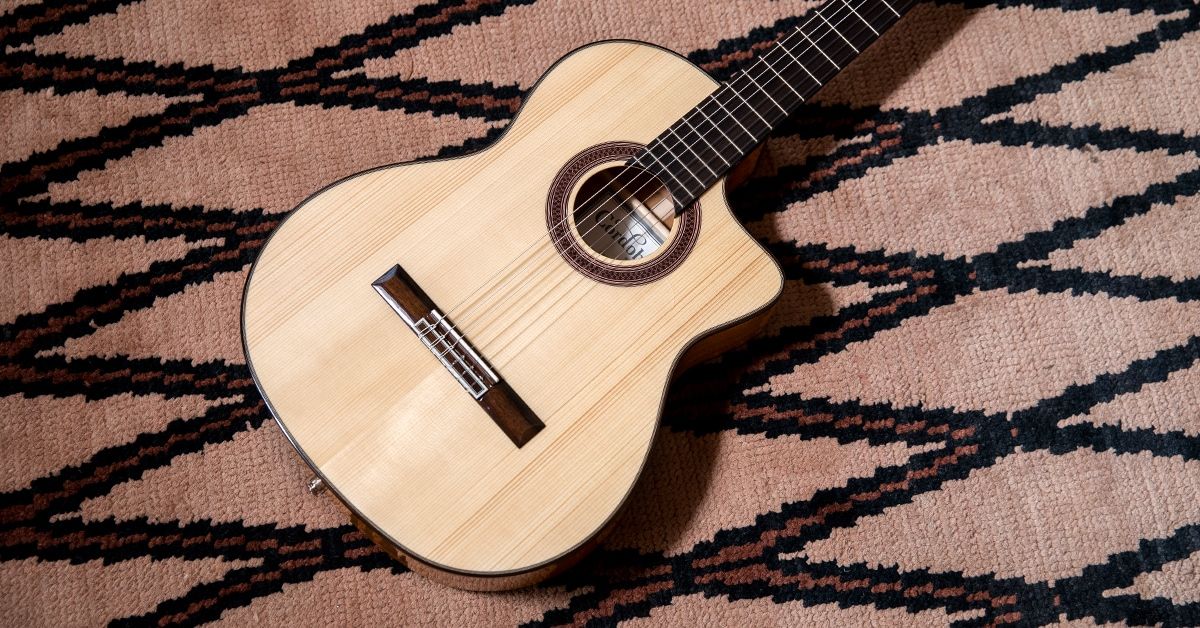
Classical guitars have a long tradition of staying exactly the same guitar for decades at a time, which makes this one a mild act of rebellion. Solid cedar top, rosewood back and sides—the bones are entirely traditional, and cedar in particular rewards a lighter touch with a responsiveness that spruce classical tops don't quite offer.
The Merida NG18-EQ Classical Guitar solves the practical problem of getting a nylon-string instrument onto a stage without a microphone stand in the way with the Fishman ISY-201 pickup system. The floral inlay work is the outlier here, and deliberately so—this is not a guitar trying to disappear into a recital hall backdrop. It wants to be looked at while it's being played, which is a different ambition than most classical guitars bother with.
Exclusive Bass Guitars
Fender Player II Chameleon Jazz Bass
What to Know:
-
A roasted maple neck and 9.5"-radius rosewood fingerboard make it more lively and easy to play
-
Seymour Duncan Quarter Pounders give players a more forceful pickup response
-
The Chameleon color-shift finish combines with the pickup change to create a visually and sonically distinct Player II configuration

Shop Now: Fender Player II Jazz Bass in Chameleon
Of the three basses here, this is the one that does the least amount of hand-wringing about whether it deserves the word “exclusive”—finish and electronics both changed, no asterisks required. The Jazz Bass shape isn't up for negotiation, which is fine, because nobody's asking Fender to reinvent ergonomics that have worked since 1960.
What the limited-edition Fender Player II Chameleon Jazz Bass does is change is the part that matters under a full band mix: Quarter Pounders in place of the standard set, built to push harder than they look like they should. The Chameleon finish gets the guitar noticed from the back of the room; the pickups are the reason it holds its own once the room gets loud.
Yamaha BB734AFM Limited-Edition Electric Bass
What to Know:
-
The BB734A features five-piece maple/mahogany construction and a six-bolt miter neck joint
-
YGD Custom V7 Alnico V P/J pickups and three-band active EQ with an on/off switch support broad stage and recording use
-
The flamed maple top adds a figured-wood presentation not previously offered on the BB734A, making this exclusive more than a new opaque color

The BB series has spent decades being the bass working players buy because it does the job without demanding a personality cult around it. This makes a first-ever flamed top on this Yamaha BB734AFM Limited-Edition bass a genuinely notable move rather than a cosmetic footnote. Six-bolt miter neck joint, P/J pickup pairing, switchable active EQ—none of that changed, and none of it needed to. What changed is that a platform known for quiet competence now has a top that looks like it has opinions. If you were already circling a BB734A, this is the version that lets the instrument look as considered as it plays.
Ernie Ball Music Man StingRay Short-Scale Bass “Loose Change”
What to Know:
-
A 30" scale, roasted maple neck, ebony fingerboard and 22 stainless steel frets
-
A passive neodymium humbucker and three-way rotary selector provide parallel, true single-coil and series modes from one pickup
-
The Guitar Center-exclusive Silver Sparkle finish pops under stage lights

Short-scale basses have a reputation problem—too many of them are short scale and not much else, a compact body wrapped around a compromise. This Ernie Ball Music Man StingRay Short Scale in a limited-edition finish isn't that. The 30" scale solves the reach issue for smaller players or guitarists easing into bass, but the three-way rotary switch pulling parallel, single-coil and series voicings out of one neodymium humbucker is doing real work, not padding a spec sheet. Silver Sparkle is the finish that makes sure nobody mistakes this for a beginner instrument from across the stage—which, given what's happening electronically under the hood, is the correct impression to leave.
Exclusive Amps and Accessories
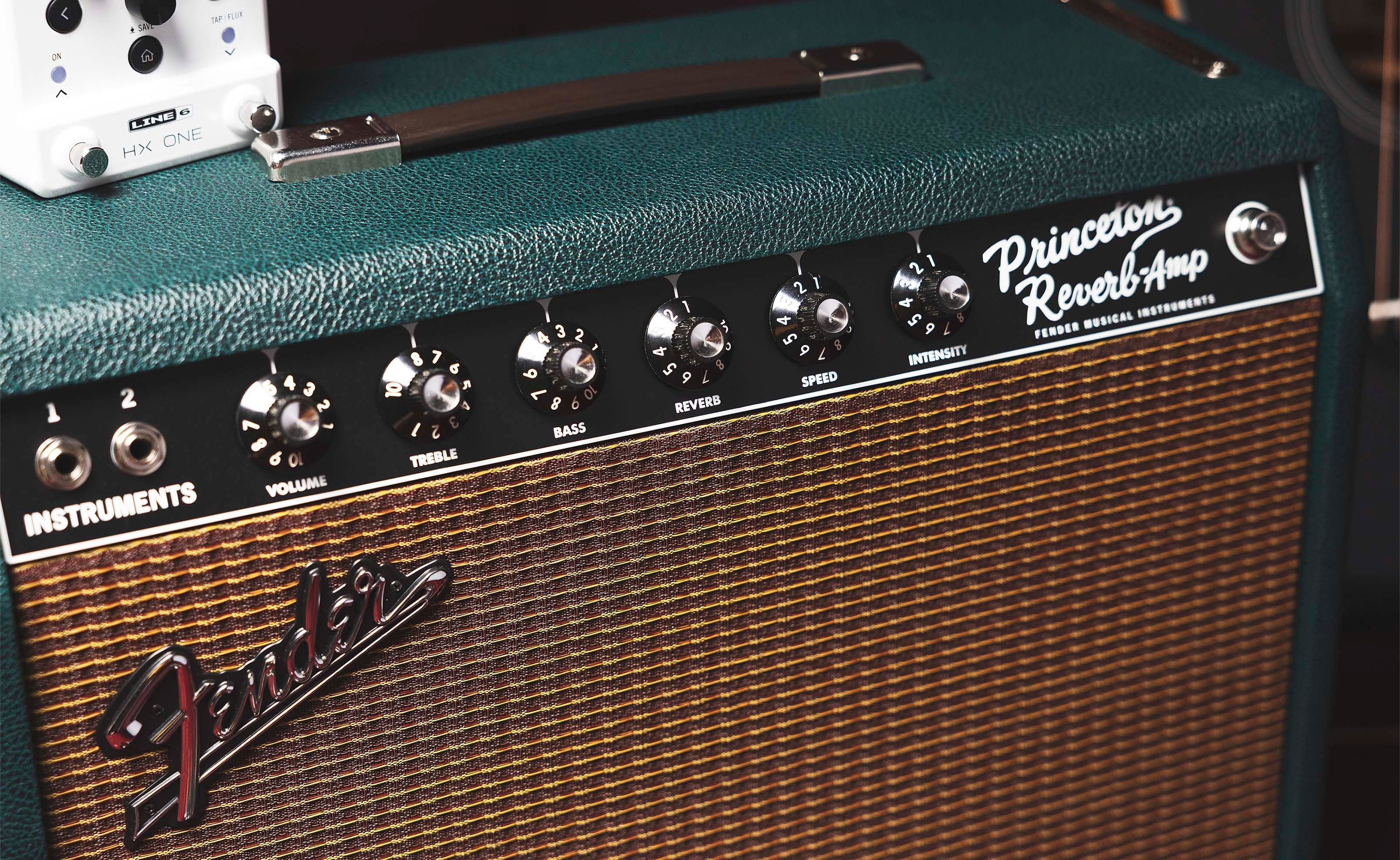
Fender Limited-Edition Tone Master Princeton Reverb in British Racing Green
What to Know:
-
A 12W 1x10 Tone Master combo built around the Princeton Reverb format
-
The compact digital platform is aimed at players who want Fender-style response in a home, studio or smaller-gig package
-
British Racing Green covering and Bassman Brown grille cloth give the compact combo a distinctive vintage motoring colorway

The Tone Master line exists to settle the argument between “I want real Fender amp behavior” and “I do not want to carry all that weight around.” The Princeton Reverb was already the small, sensible answer to that argument before this edition showed up. Nothing about the digital architecture changed here—this is a finish call, full stop, and an honest one about it.
The Fender Limited-Edition Tone Master Princeton Reverb in British Racing Green paired with Bassman Brown grille cloth reads less like a guitar amp and more like something that should have a hood ornament, which is either the appeal or entirely beside the point depending on how much you care what your practice amp looks like sitting in the corner.
Fender Limited-Edition Hot Rod Deluxe Stealth 40W 1x12 Combo
What to Know:
-
A 40W all-tube 1x12 combo places this edition on Fender's established Hot Rod Deluxe platform
-
The format supplies a familiar clean foundation, drive capability and enough output for rehearsals and small-to-medium stages
-
The Stealth treatment gives the workhorse combo a restrained blacked-out appearance

The Hot Rod Deluxe has spent years being the amp gigging players default to without needing convincing—loud enough, tube-driven, happy to see a pedalboard and do exactly what's asked of it. The Fender Limited-Edition Hot Rod Deluxe Stealth 40W 1x12 Combo isn't interested in messing with any of that. Stealth is the correct name for it: blacked out, low-key, an amp that would rather not be the most interesting thing onstage. This is the one built for players who'd prefer their tone doing the talking.
Fender Mustang LT25 in Navy Blue and White
What to Know:
-
This 25W digital modeling combo uses a 1x8 speaker and a simple preset-based interface
-
20 amp models, 25 effects and 50 presets give beginners and home players a broad sound library without a separate pedalboard
-
Navy Blue and White finishes refresh the compact practice-amp format without changing its familiar feature set

The Fender Mustang LT25 is the entry in the group where you can stop reading the spec sheet the moment color enters the conversation, because color is the entire conversation. Twenty amp models and 25 effects packed into a 1x8 practice combo is a genuinely useful amount of sonic real estate for someone still figuring out what a plexi versus a tweed voicing actually sounds like—headphone output for practicing without negotiating with roommates, USB for the recording-and-firmware side of things. None of that changed. Navy blue and white just mean the thing sitting in the corner of a bedroom for the next several years gets to look like it was chosen on purpose.
Ashdown Engineering Studio 12
What to Know:
-
The featured Studio 12 is a 110W 1x12 bass combo with five-band EQ, tube-emulated overdrive, an effects loop and a 15.4-lb. cabinet
-
Its relatively light format combines practical tone shaping, headphone practice and gig-friendly connectivity without demanding a large rig
-
This Studio 12 brings exclusive colors and legendary performance to an exclusive, highly portable bass amp

110 watts out of a combo you could carry with one hand is the kind of spec that looks like a misprint until you remember Ashdown has been building genuinely portable bass rigs for a while now. Five-band EQ and tube-emulated overdrive give it more shaping range than its size suggests, and at 15.4 pounds, it's squarely aimed at the bassist who wants rehearsal and small-gig volume without the lower-back consequences of hauling a full stack. Charcoal Tweed and Ice Blue are cosmetic, and Ashdown isn't pretending otherwise—the honest sell here is the platform itself, dressed up a little for the occasion.
But the Studio 12 isn't really the headline. Guitar Center is now the exclusive U.S. distributor for Ashdown Engineering, which means the entire line just became Guitar Center-exclusive by default—not just this one combo, not just for Guitar-A-Thon. So be sure to check out our guide to the entire Ashdown bass amp lineup.
Line 6 HX One in Limited-Edition White
What to Know:
-
HX One puts more than 260 Helix effects into a compact single-effect pedal with stereo I/O, MIDI and expression/footswitch connectivity
-
Players can add a deep effects library to an existing pedalboard without adopting a full-floor processor
-
The white enclosure is paired with 12 Guitar Center-exclusive presets spanning reverb, delay, pitch, tremolo, bit-crushing, acoustic simulation, EQ and sustain

The Line 6 HX One in Limited-Edition White is the pedal in the group that actually earns the word “exclusive” past the paint job, and it's worth saying so plainly. White enclosure aside, Guitar Center loaded in 12 presets that pull from the deep end of the Helix library—bit-crushing and acoustic simulation sitting next to more expected reverb and delay territory, with Flux assignments moving parameters live rather than just sitting there as static settings. For a single-effect box, that's an unusual amount of range, and it means the pedal is worth considering on the sound library alone, with the white finish as a bonus.
MESA/Boogie Dual Rectifier Multi-Watt 3-Channel Amp Head in Blackout
What to Know:
-
An all-tube Dual Rectifier Multi-Watt head with three channels and footswitchable performance control
-
Clean, crunch and high-gain flexibility, an effects loop and a full-size head format suit hard-rock and metal rigs built around pedals or large cabinets
-
The Blackout treatment gives the established Dual Rectifier platform an all-dark Guitar Center-exclusive presentation

The Dual Rectifier has been the amp hard-rock and metal players reach for when “high-gain” needs to mean something specific and unapologetic, and the MESA/Boogie Dual Rectifier Multi-Watt 3-Channel Amp Head in Blackout doesn't touch the circuit that earned that reputation—three channels, Multi-Watt footswitching, the works, all present and accounted for. Blackout just takes an already imposing head and removes the last bit of visual restraint it had left. With only 22 units available, this is the one entry in this whole roundup where that "in stock" notice shouldn't be ignored, or your chance to own this amp will black out faster than the amp does on stage.
How to Choose Your Guitar-A-Thon Exclusive
The rarest guitar in the room isn't automatically the right one, and the loudest finish isn't automatically the best story—so start by holding the exclusive up against its closest regular-production sibling and asking what actually moved. A pickup swap, a scale-length change, a different body wood, a switching scheme that didn't exist before: Those solve real musical problems, and you can evaluate them the way you'd evaluate any spec decision. A finish-only exclusive asks a simpler, more honest question—do you already want this platform, and would you rather own it in this color than the standard ones? There's no wrong answer, but there's a wrong way to shop it, which is assuming “exclusive” is secretly code for “better.”
Availability moves fast on this stuff, faster when a product is also a fixed limited run rather than an ongoing exclusive configuration—so check live inventory before you drive anywhere expecting to see one in person. Play it if you can. Compare the full spec sheet, not just the headline changes, and resist the instinct to assume exclusive automatically means upgraded—sometimes it just means different, which is its own reason to want it, but it's not the same reason. The Guitar Center Store Locator will tell you what's actually on a shelf near you, and if two configurations look identical on paper and you can't tell them apart, that's exactly what your personal Gear Adviser is for.
FAQs About Guitar-A-Thon
What is Guitar-A-Thon?
Guitar-A-Thon is Guitar Center's recurring guitar-focused sales event featuring guitars, basses, amps, effects and related gear. Promotions and specific details vary by event, and Fall 2026 dates should be confirmed from the live event page before publication.
When is Guitar-A-Thon 2026?
Guitar Center has confirmed a Fall 2026 event; exact start and end dates should be added only once published on the live event page.
What does "Guitar Center exclusive" mean?
It means that product—or that specific finish and specification—is sold only through Guitar Center. The exclusive element can be color, pickups, electronics, tonewoods, hardware or an entire model developed jointly with the manufacturer.
Are Guitar Center-exclusive guitars different from standard models?
Often, but the degree varies widely. Some exclusives change only the finish; others add different pickups, switching, construction details or a combination of changes not found on the standard-production version. Compare specs line by line against the closest regular model rather than assuming.
Are Guitar-A-Thon exclusives limited editions?
Some are limited editions or one-time production runs; others are ongoing Guitar Center-exclusive configurations with no stated end date. Use the manufacturer's or Guitar Center's published language, and a stated production quantity where one exists, rather than assuming either way.
Can Guitar-A-Thon exclusive gear sell out?
Yes, especially fixed-quantity items—but availability varies by SKU and by store location. Check live inventory rather than relying on general scarcity language.
Can I try Guitar-A-Thon exclusives in a Guitar Center store?
Many models reach stores, but distribution isn't uniform across locations. Check local inventory or call ahead before making a special trip, particularly for higher-priced or lower-quantity items.
Written By: George Van Wagner
George Van Wagner is a writer and editor for Guitar Center, where he has worked since 2007. A multi-instrumentalist, freelance recording engineer, arranger, composer, writer and all-around tech geek, he has over 30 years of experience in the musical instrument industry at companies like Midiman/M-Audio and Line 6, doing everything from customer service and writing user manuals to working in product development. He is currently gigging around Los Angeles with Gruppo Subconscious and Bobby “Hurricane” Spencer.
Recently Added to Buying Guides
Be the first to know about exclusive offers, tips and more.

866-498-7882 English
877-687-5402 Español