


BeginnersSet upEffects
.jpeg)

Pro Gear Advisers
•866-498-7882
Guitars
Guitars
Amps & Effects
Amps & Effects
Used & Vintage
Keyboards & MIDI
Keyboards & MIDI
Drums
Drums
DJ Equipment
DJ Equipment
Basses
Basses
Recording
Recording
Live Sound
Live Sound
Accessories
Accessories
Mics & Wireless
Mics & Wireless
Music Software
Music Software
Lighting
Lighting
- Popular Brands
Band & Orchestra
Band & Orchestra
Platinum Gear
Deals
New Arrivals
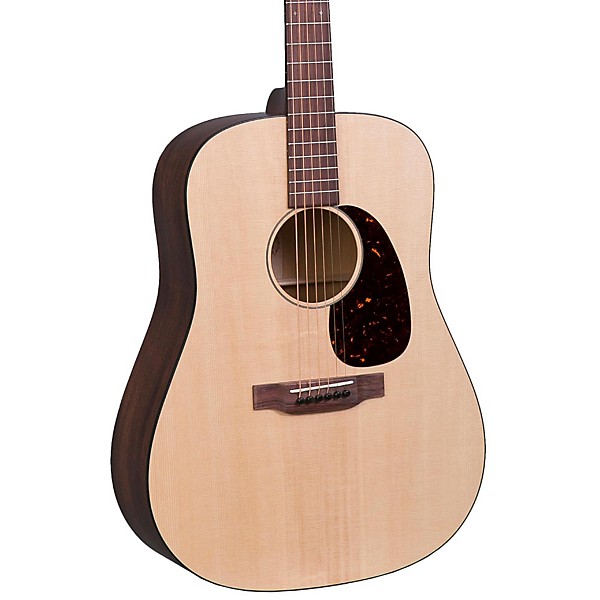
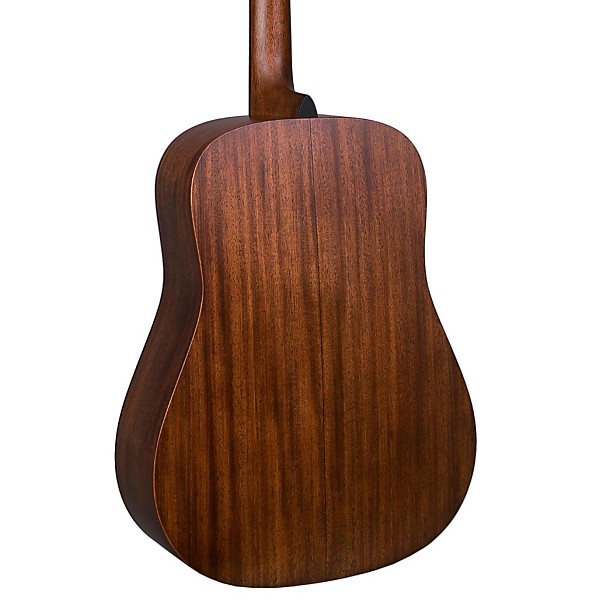
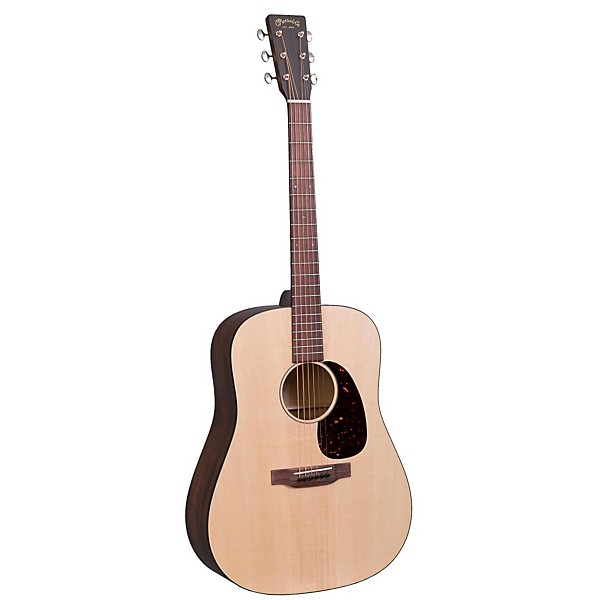
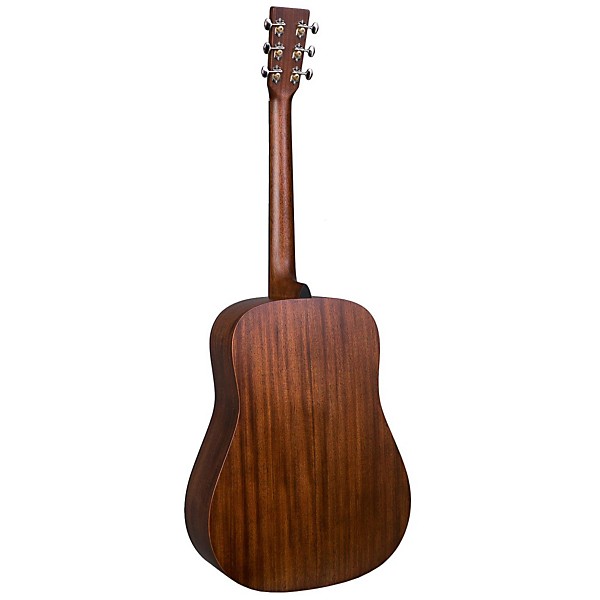
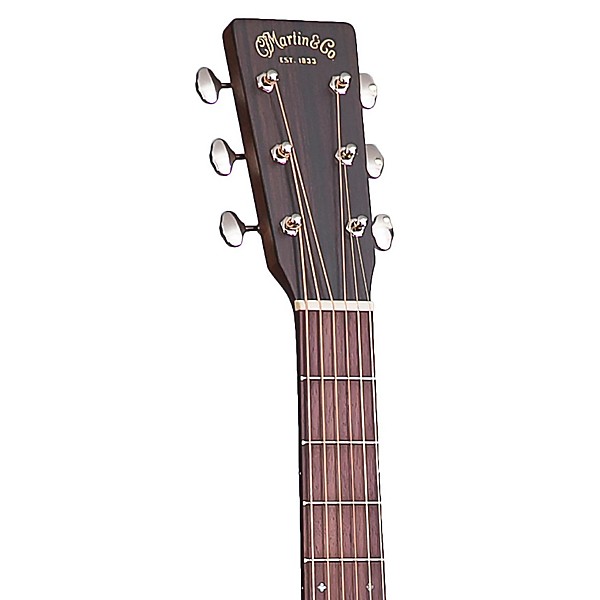
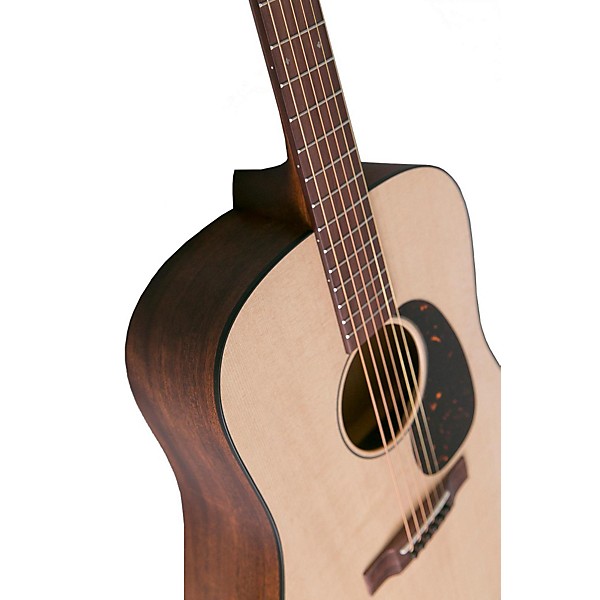
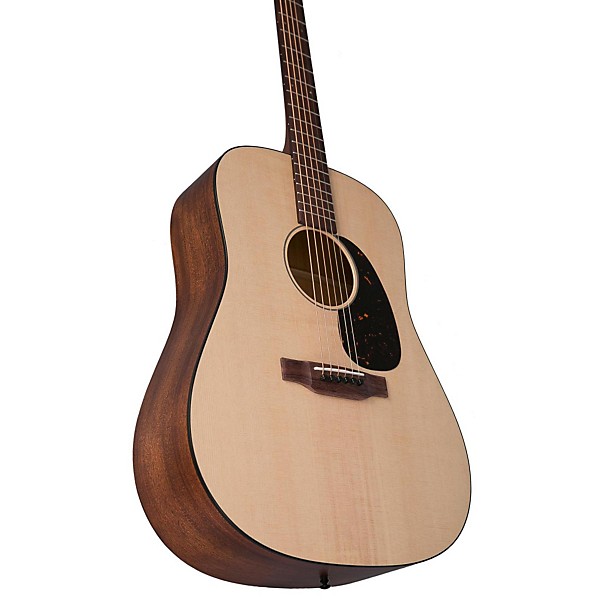
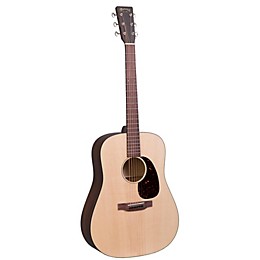
Martin D-15 Special Acoustic Guitar Natural
$1,459.00

Need Help?

Description
The Martin 15 Series draws its inspiration from the history books. First offered in 1940, the 15 Series was created as an all-purpose guitar that was simple in design, but loaded with sound and tone. Over the years, Martin’s 15 Series guitars were the go-to guitar for many world-class musicians, and can be heard on numerous Platinum recordings. To honor the Centennial Anniversary of the Martin Dreadnought, Martin has produced a limited run of special 15 Series Dreadnought and 000-15 models. These fine instruments feature a solid Sitka spruce top, abalone “Golden Era” diamonds and square fingerboard inlays, Style-18 back purfling, black top binding and a High Performance neck.
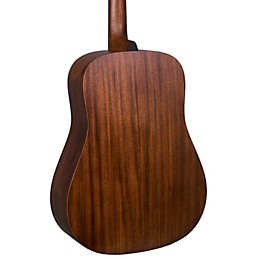
Built on a dreadnought platform, the Martin D-15 Special acoustic guitar boasts 14 open frets for a unique design and great range of tone. The top, back and sides are genuine solid mahogany, offering a strong guitar tone with warm subtleties in each note's definition.
The vintage sound produced by the Martin D-15 Special acoustic guitar is reminiscent of the Style 15 Martin guitars made popular during the 1940s. Made in Nazareth, Pennsylvania, this guitar is equipped with a Martin-designed Simple Dovetail neck joint for that famous Martin sustain and long-lasting tone. The results are evident with the strength in tone and power in projection that you hear with each strum of this Martin acoustic guitar.
The Martin guitar's solid mahogany neck further complements the defined acoustic sound of this dreadnought. The bridge and fingerboard are solid East Indian rosewood, adding smooth sustain to the mix. The 14 open frets, 1-11/16 in. nut width, 2-1/8 in. bridge string spacing, and 16 in. radius add comfort for your intricate fingerboard movements.
Other appointments include a single-ring rosette, bone nut, solid/square taper headstock, solid East Indian rosewood headplate, diamonds and square fingerboard inlay, belly-style bridge, nickel open-geared tuning machines with butterbean knobs and a solid black ebony bridge and end pins.
Includes a Martin 345 hardshell guitar case.
The History of The Dreadnought Guitar
The very first Dreadnought guitars were designed and crafted by C. F. Martin & Co. in 1916, but marketed in Boston and New York exclusively under the Oliver Ditson brand. Originally made for Hawaiian slide playing style, the very first Dreadnought made was a Model 222 shipped to Ditson in August of 1916. Designed to expand the size and tone of the acoustic guitar, it was the largest acoustic guitar ever build.
Where did the Martin get the name Dreadnought? Frank Henry Martin, the CEO of the Martin Company at the time, was an amateur historian. He had read about the design of the largest British battle ship of WW1, the HMS Dreadnought. He remembered the name of the “largest” ship in the British fleet, this was the “largest” guitar Martin had ever built, and the Dreadnought guitar was born.
The Dreadnought guitar was ahead of its time, and was considered to be “too loud.” Because of its “loud” tone, the Dreadnought guitar never came into vogue. And after the Oliver Ditson Co. went out of business in the mid-1920s, the Martin Dreadnought was discontinued.
With the stock market crash in 1929, musical styles began to change. Folk music became popular and as the genre became popular, the venues got larger and larger. The traditional parlor acoustic guitar was not powerful enough to fill the concert hall. At that time, players didn’t have the luxury of plugging into an amplifier or PA system. To ask for help, many players traveled to Nazareth, Pennsylvania to see if Martin could design a larger instrument that was powerful enough to be heard on stage. Martin’s craftsmen remembered that they had all the jigs and fixtures from their earlier Dreadnought invention of 1916; and in 1931, Martin introduced two new Dreadnought models, the D-1 and D-2 Dreadnoughts. They were an instant hit, and later in 1931, the D-1 became the Martin D-18, and the D-2 became the Martin D-28. Over the past 100 years, the Martin Dreadnought has become the industry standard for the acoustic guitar tone. The Martin Dreadnought has been seem more on TV, live performance, and heard on more recordings than any other guitar in musical history. The Martin Dreadnought has defined what an acoustic guitar can and should be, and subsequently, it has become the most popular acoustic guitar design in the world.
Built on a dreadnought platform, the Martin D-15 Special acoustic guitar boasts 14 open frets for a unique design and great range of tone. The top, back and sides are genuine solid mahogany, offering a strong guitar tone with warm subtleties in each note's definition.
The vintage sound produced by the Martin D-15 Special acoustic guitar is reminiscent of the Style 15 Martin guitars made popular during the 1940s. Made in Nazareth, Pennsylvania, this guitar is equipped with a Martin-designed Simple Dovetail neck joint for that famous Martin sustain and long-lasting tone. The results are evident with the strength in tone and power in projection that you hear with each strum of this Martin acoustic guitar.
The Martin guitar's solid mahogany neck further complements the defined acoustic sound of this dreadnought. The bridge and fingerboard are solid East Indian rosewood, adding smooth sustain to the mix. The 14 open frets, 1-11/16 in. nut width, 2-1/8 in. bridge string spacing, and 16 in. radius add comfort for your intricate fingerboard movements.
Other appointments include a single-ring rosette, bone nut, solid/square taper headstock, solid East Indian rosewood headplate, diamonds and square fingerboard inlay, belly-style bridge, nickel open-geared tuning machines with butterbean knobs and a solid black ebony bridge and end pins.
Includes a Martin 345 hardshell guitar case.
The History of The Dreadnought Guitar
The very first Dreadnought guitars were designed and crafted by C. F. Martin & Co. in 1916, but marketed in Boston and New York exclusively under the Oliver Ditson brand. Originally made for Hawaiian slide playing style, the very first Dreadnought made was a Model 222 shipped to Ditson in August of 1916. Designed to expand the size and tone of the acoustic guitar, it was the largest acoustic guitar ever build.
Where did the Martin get the name Dreadnought? Frank Henry Martin, the CEO of the Martin Company at the time, was an amateur historian. He had read about the design of the largest British battle ship of WW1, the HMS Dreadnought. He remembered the name of the “largest” ship in the British fleet, this was the “largest” guitar Martin had ever built, and the Dreadnought guitar was born.
The Dreadnought guitar was ahead of its time, and was considered to be “too loud.” Because of its “loud” tone, the Dreadnought guitar never came into vogue. And after the Oliver Ditson Co. went out of business in the mid-1920s, the Martin Dreadnought was discontinued.
With the stock market crash in 1929, musical styles began to change. Folk music became popular and as the genre became popular, the venues got larger and larger. The traditional parlor acoustic guitar was not powerful enough to fill the concert hall. At that time, players didn’t have the luxury of plugging into an amplifier or PA system. To ask for help, many players traveled to Nazareth, Pennsylvania to see if Martin could design a larger instrument that was powerful enough to be heard on stage. Martin’s craftsmen remembered that they had all the jigs and fixtures from their earlier Dreadnought invention of 1916; and in 1931, Martin introduced two new Dreadnought models, the D-1 and D-2 Dreadnoughts. They were an instant hit, and later in 1931, the D-1 became the Martin D-18, and the D-2 became the Martin D-28. Over the past 100 years, the Martin Dreadnought has become the industry standard for the acoustic guitar tone. The Martin Dreadnought has been seem more on TV, live performance, and heard on more recordings than any other guitar in musical history. The Martin Dreadnought has defined what an acoustic guitar can and should be, and subsequently, it has become the most popular acoustic guitar design in the world.
Features
Body
Body type: DreadnoughtOrientation: Right handedNeck
- Neck shape: Modified Low Oval with Standard Taper
- Nut width: 1-11/16 in.
- Fingerboard: East Indian Rosewood
- Neck wood: Solid Mahogany
- Scale length: 25.4 in.
- Number of frets: 20
- Neck finish: Satin
- Pickup/preamp: No
- Brand: Not applicable
- Configuration: Not applicable
- Preamp EQ: Not applicable
- Feedback filter: Not applicable
- Tuner: Not applicable
- Headstock overlay: East Indian Rosewood
- Tuning machines: Nickel Open Gear
- Bridge: Modern Belly, East Indian Rosewood
- Saddle & nut: Bone
- Number of strings: 6
- Special features: Upgraded Sitka Spruce Top, Style-18 Back purfling, Abalone Golden Era, style Diamonds & Square Fingerboard inlays, Black top binding and Heel Cap
- Case: Included Martin 345
- Accessories: None
- Country of origin: United States
Reviews
5
1 Reviews
100%
of respondents would recommend this to a friend
Filters
Best Uses
- Jamming1
- Recording1
Describe Yourself
- Experienced1
Pros
- Consistent1
- Fun To Play1
- Good Audio1
- Good Feel1
- Stays In Tune1
Reviewed by 1 customers
Nice all wood Martin
submitted8 years ago
byDominick
fromNew Jersey
Nice all wood Martin, Light as a feather, Loud. Nice sound, good base. My kids will fight over it when I'm underground.
- Previous
- 1
- Next
Q&A
Have a question about this product? Our expert Gear Advisers have the answers.
No results but…
You can be the first to ask a new question.
It may be Answered within 48 hours.
Be the first to know about exclusive offers, tips and more.

866-498-7882 English
877-687-5402 Español