

Pro Gear Advisers
•866-498-7882
Elise Trouw on Live Looping and the new Fender American Professional Jazz Bass
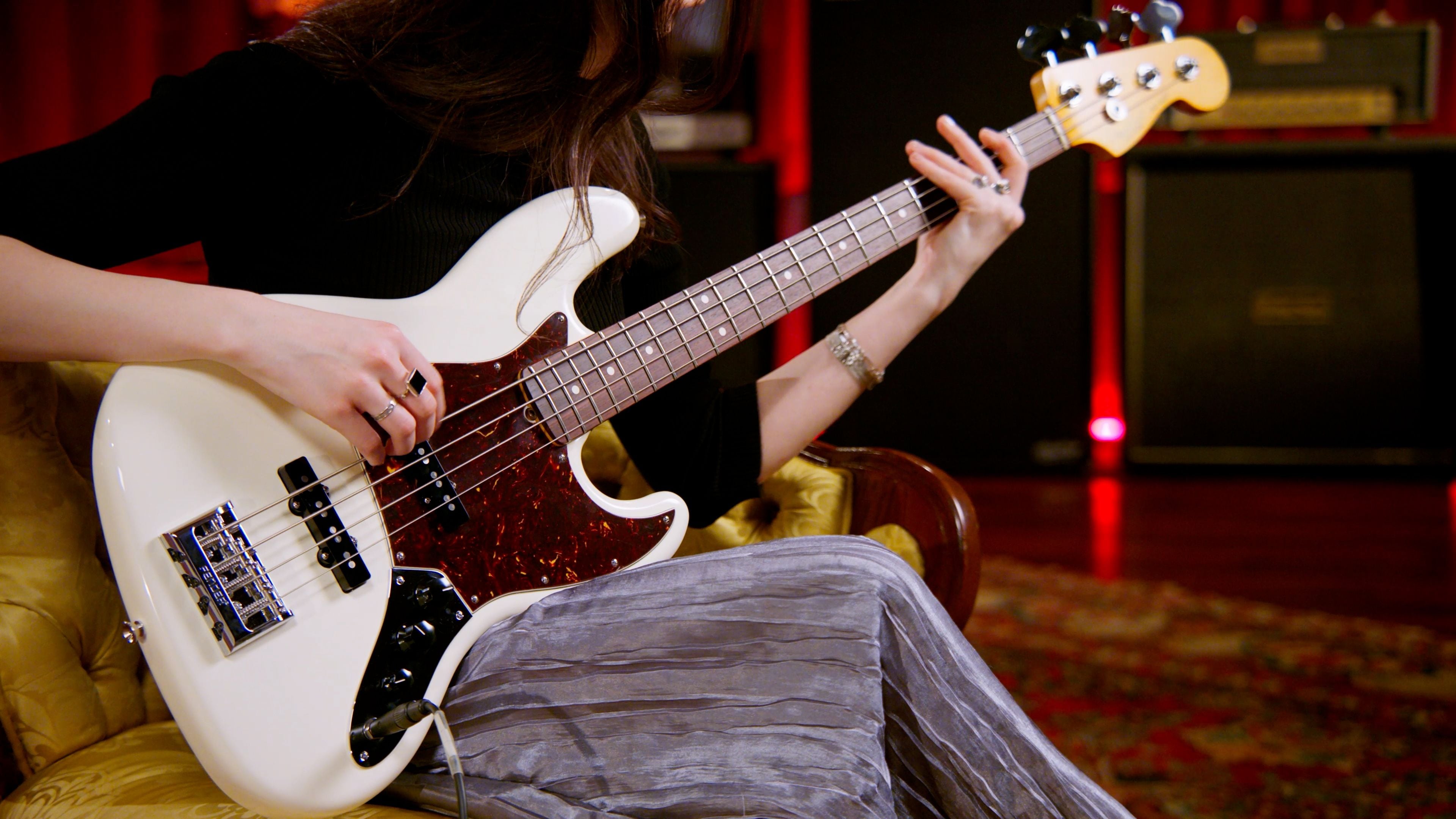

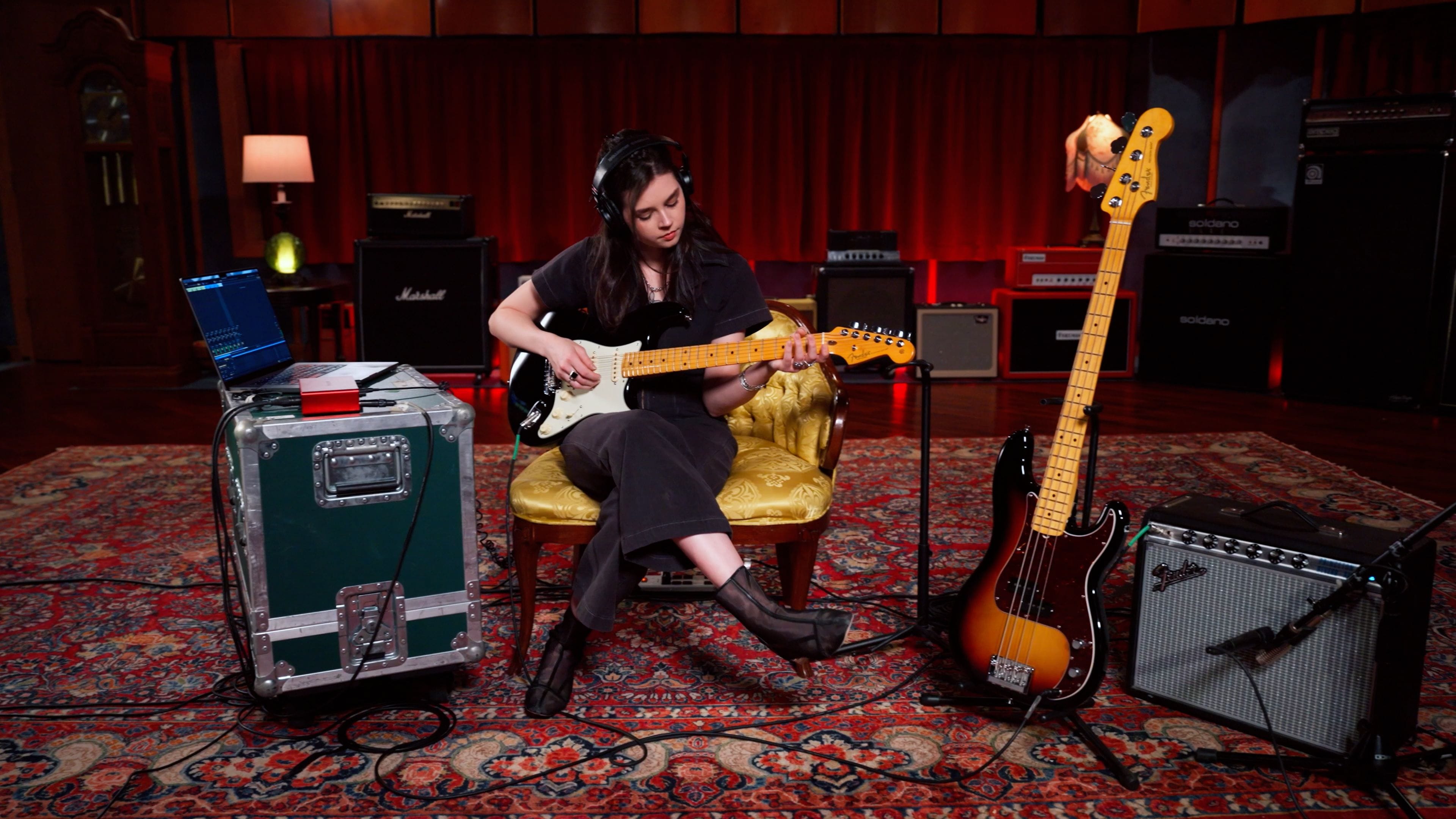
Live-looping virtuoso Elise Trouw demos the Fender American Professional Jazz Bass and talks about how it works as the foundation for her live-looping performances.
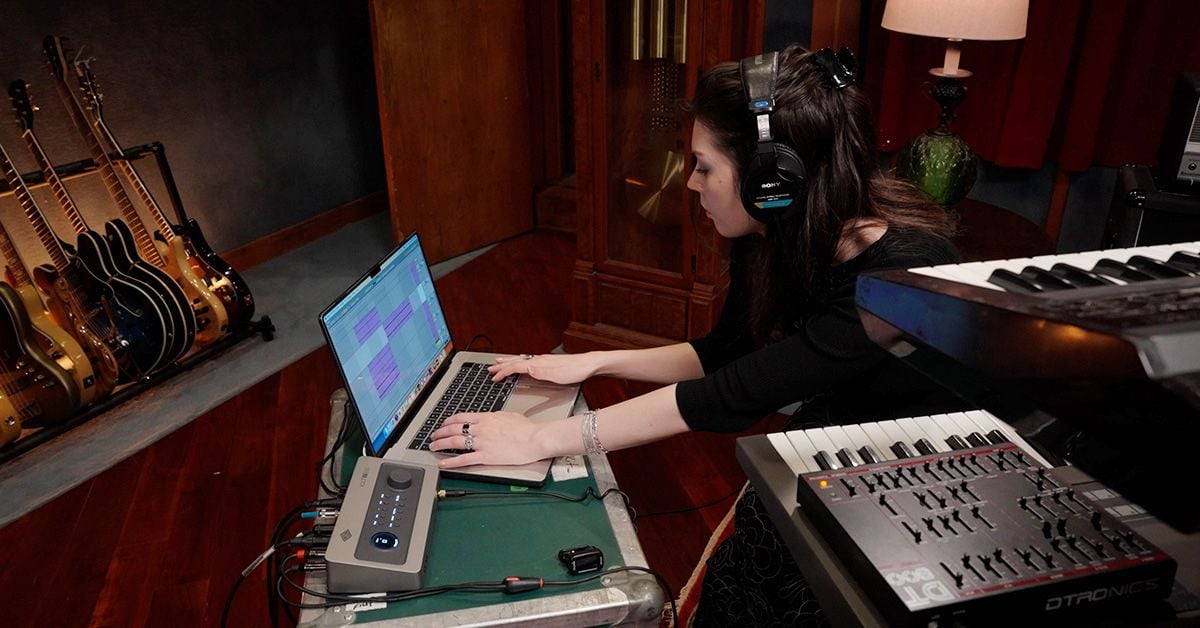
Versatility, tone and ergonomics are essential when Trouw is layering loops track by track, because everything is going down in real-time right as it happens. There is no "fix it in the mix"—the performance and the mix happen simultaneously. So, she can’t adjust, amend or completely change bass parts later on.
To experience how Trouw approaches live looping, check out her Foo Fighters Meets 70s Bobby Caldwell (26 million YouTube views) and Radiohead Meets The Police (11 million views), as well as other live-looping videos on her YouTube channel.
Supporting the Music
"I started out playing drums," says Trouw. "Back when I was a kid, there were pretty much just drummers and guitarists, so everybody kind of had to learn bass. At this point, it's something that I really love to play and something that plays a big role in my music. I do a lot of live looping, so that's drums, bass, guitar and keys, and because there's such a limited amount of music happening, the bass fills a big sonic space. The bass also supports the song, the vocal and the drums. It’s always in support of the music and the overall message."
Finding the Right Feel
"I've mainly played short-scale basses—such as the Fender Mustang—but on my most recent tour, I ended up playing a normal-scale bass,” says Trouw. “The Fender American Professional Jazz Bass doesn't feel like a huge jump from that. It's nice and lightweight, the neck is pretty thin and it's easy to get around. A bass needs to be comfortable for me, because I'm kind of throwing the bass on and off in between songs. Having something lightweight is really important."

Building the Right Tone
“For fingerstyle playing, I gravitate towards the neck pickup,” says Trouw. "I'm still getting brightness with my fingernails, so I want the bass to be a bit darker to compensate for that and get a warm tone. The bridge pickup has a more aggressive, in-your-face, almost nasal tone with a bit more midrange. When using that pickup, I'd probably use a pick and palm mute for more aggressive songs. But my ideal tone would probably be the neck pickup turned all the way up with a bit of the bridge pickup mixed in. I'd keep the tone knob a little under halfway to keep the attack but still have that warmth and softness."
Designed for Working Musicians
"Overall, I'd say this bass is very comfortable for me to play,” says Trouw. “I like the feel of the neck and, as a whole, it's nice and lightweight—which is important for me during live looping, because I'm throwing the bass on and off between songs."
Check out the full Fender American Professional series guitars and basses.
Written By: Michael Molenda
Michael Molenda is a content strategist, editor and writer for Guitar Center, where he has worked since 2022. He is the longest-serving Editor in Chief of Guitar Player (1997-2018), and former Editorial Director of Bass Player, EQ, Keyboard, Electronic Musician, Gig and Modern Drummer. A guitarist, drummer, bassist and producer, Mike co-owned three pro recording studios in San Francisco, and performs with Surf Monster and The Trouble With Monkeys.
Be the first to know about exclusive offers, tips and more.

866-498-7882 English
877-687-5402 Español