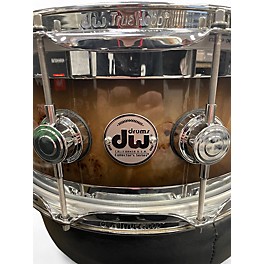
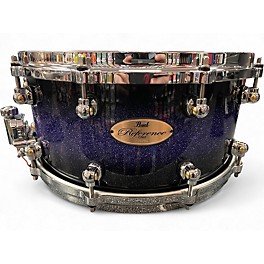
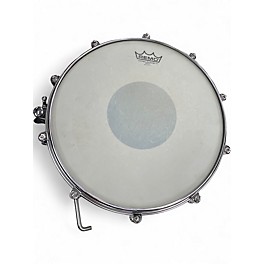
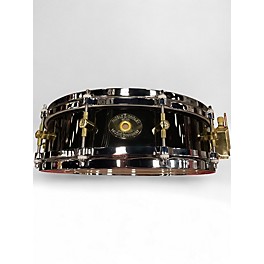
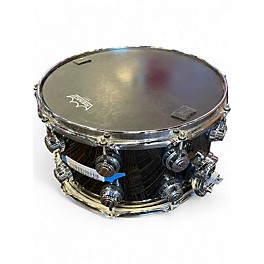
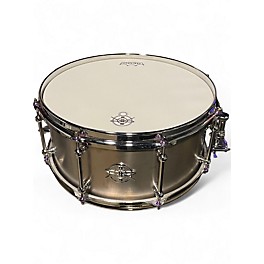
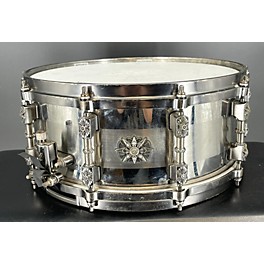
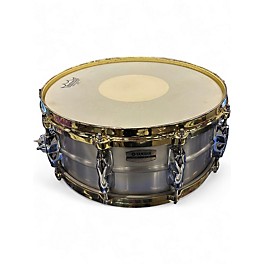
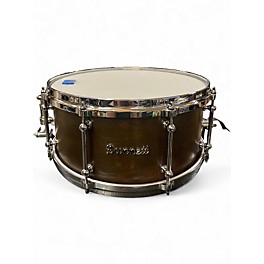
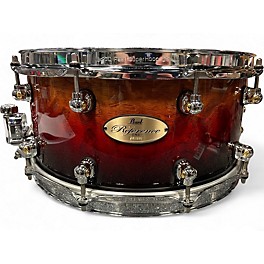
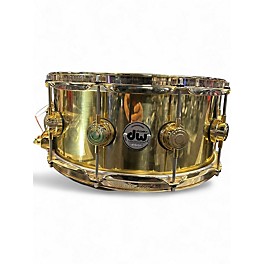
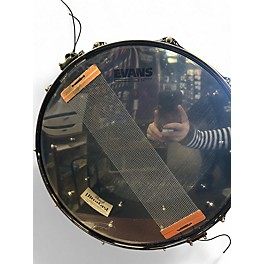
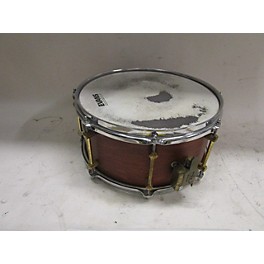
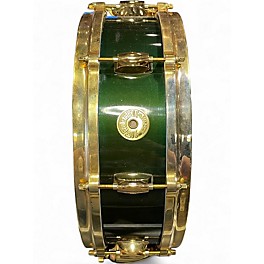
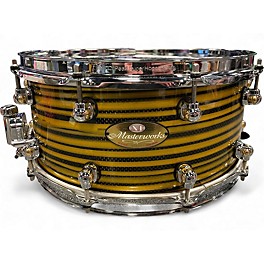
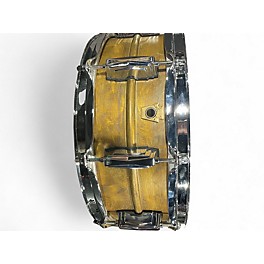
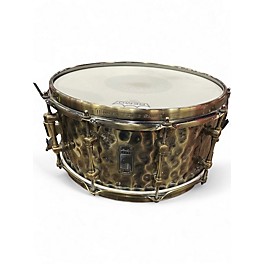
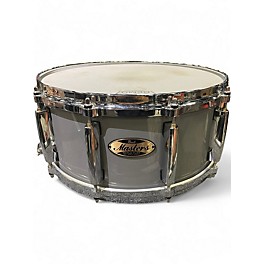
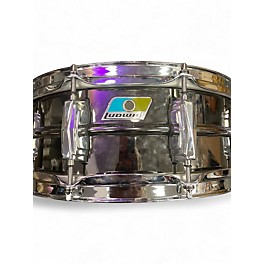
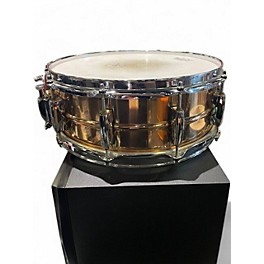
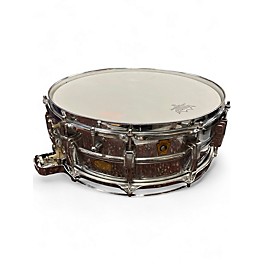
Find the defining voice for your kit with a quality snare drum. As the centerpiece providing the essential backbeat crack and subtle ghost notes, the snare drum is crucial to nearly every style of music. Its unique sound comes from snare wires stretched across the bottom head, activated by striking the top head. Built with wood or metal shells, precise hardware, and responsive heads, the modern drum comes in countless variations from popular brands like Ludwig and Pearl, each offering a unique personality.
Crack, Buzz, and Versatility: The Snare Drum Sound
The sonic character of a snare drum varies immensely. Wood shells (like Maple or Birch from Gretsch or Tama) offer warmth and body, while metal shells (like good Steel, Brass, or the legendary Ludwig Supraphonic Aluminum models) provide brightness, projection, and louder crack. Depth also impacts fatness versus articulation (a 5" deep snare vs 6.5"). Drummers fine-tune the sound drastically via head choices, tuning, and snare wire tension – think Stewart Copeland's tight pop versus John Bonham's huge rock sound. It's the most personalized voice in the kit for players like Steve Gadd or Chad Smith.
Key Snare Drum Features:
Shell Material: Wood (Maple, Birch, etc.) or Metal (Steel, Aluminum, Brass, Bronze, Copper).
Shell Size: Diameter (Commonly 14", also 13", 12") & Depth (Commonly 5"- 6.5", also piccolo/deep).
Snare Wires: Set of wires under resonant head (material, count, strand type vary).
Strainer/Throw-Off & Butt Plate: Mechanism to engage/disengage and hold snare wires.
Lugs & Tension Rods: Hardware for tuning drum heads.
Bearing Edges: Shell edge shape affecting head contact, tone, and sustain.
What are the pros and cons of Wood vs. Metal Snare Drum Shells?
Pros: Wood – Generally warmer tone, potentially more complex overtones, classic look/feel, great blend; Metal – Often louder, brighter, more cutting projection, sensitive, distinct tonal character (e.g., brass warmth, steel crack).
Cons: Wood – Can be less projecting than metal, sensitive to humidity (less so with modern finishes); Metal – Can sometimes sound harsh or have unwanted overtones if not tuned well, specific metals have very strong character (less versatile sometimes).
What makes a snare drum sound different from other drums?
The key difference is the set of snare wires stretched across the bottom (resonant) head. When you strike the top (batter) head, the vibration causes these wires to rattle against the bottom head, producing the characteristic sharp "crack" or "buzz" sound unique to this drum. Turning the wires off via the strainer results in a tom-like sound.
What's the difference between wood and metal snare drum shells?
Wood shells (Maple, Birch, etc.) generally produce warmer, fuller tones with more complex overtones that blend well. Metal shells (Steel, Brass, Aluminum, etc.) typically offer brighter, louder, more cutting sounds with increased projection and sensitivity. The specific type of wood or metal creates its own unique sonic signature.
What are common snare drum sizes?
The most common diameter by far is 14 inches. Common depths range from 5 inches to 6.5 inches. Snares with a 5.5" depth are very standard. Deeper snares (6.5" or 8") generally have more body and lower pitch, while shallower snares (like 3" to 5" piccolo snares) are higher-pitched and have a sharper crack.
It's safe to say that the snare is the most important drum in your kit. Keeping the pace for the rest of the band, a snare needs to sound its best both on the stage and in the studio, so making sure you have the right one for you is absolutely crucial. Snare drums are made with a lot of variety, and that is definitely reflected in this section.
With so many options available, you're definitely going to find the perfect snare for your kit. That said, because there are so many options available, having an idea of your needs and skill level can definitely go a long way in helping to narrow down your search for your perfect snare drum. Say you're building your first kit and are looking for an entry level snare that rocks, but doesn't break the bank, then you'll definitely want to check out an option like the Vision Birch Snare Drum from Pearl. This snare is loaded with powerful punch and an attack you're going to love. It offers incredible functionality, making it a perfect addition to nearly any kit. On the other hand, maybe you're a seasoned drummer who is looking to upgrade their kit and take their playing to the next level. If this is the case, a drum such as the Performance Series Snare Drum from DW might be just what the doctor ordered. This snare features a great maple shell that will help you shine during live sets and recording sessions alike. Highlighted by a deep, punchy tone and plenty of action, this snare definitely lends itself well to nearly any playing style. Of course, if you really want to wow the crowd, you'll want a truly special snare like the Bell Brass 10-Lug 6.5 x 14 Inch Snare Drum from Gretsch Drums. This brawny, brass snare offers absolutely incredible acoustic properties as well as smooth, pure timbre and controlled overtones. It also features a 30-degree bearing edge for a booming low end and sensational highs. Simply put, this snare is one of the finest you will ever have the privilege to play. A snare drum can make or break a kit, so shouldn't you make sure you've got the best one for you? Whether you're new to the drumming game or a touring pro, we've got the snare you need right here.
.jpeg)