Guitar Center logo
gear advisor icon
Pro Gear Advisers
866-498-7882

Bass Guitar Strings

97-120 out of 503 products
$99+ Qualifying Accessories
Special Financing Available
Learn More
$99+ Qualifying Accessories
Special Financing Available
Learn More
$99+ Qualifying Accessories
Special Financing Available
Learn More
$99+ Qualifying Accessories
Special Financing Available
Learn More
$99+ Qualifying Accessories
Special Financing Available
Learn More
$99+ Qualifying Accessories
Special Financing Available
Learn More
$99+ Qualifying Accessories
Special Financing Available
Learn More
$99+ Qualifying Accessories
Special Financing Available
Learn More
$99+ Qualifying Accessories
Special Financing Available
Learn More
$99+ Qualifying Accessories
Special Financing Available
Learn More
$99+ Qualifying Accessories
Special Financing Available
Learn More
$99+ Qualifying Accessories
Special Financing Available
Learn More
$99+ Qualifying Accessories
Special Financing Available
Learn More
$99+ Qualifying Accessories
Special Financing Available
Learn More
$99+ Qualifying Accessories
Special Financing Available
Learn More
$99+ Qualifying Accessories
Special Financing Available
Learn More
$99+ Qualifying Accessories
Special Financing Available
Learn More
$99+ Qualifying Accessories
Special Financing Available
Learn More
$99+ Qualifying Accessories
Special Financing Available
Learn More
$99+ Qualifying Accessories
Special Financing Available
Learn More
$99+ Qualifying Accessories
Special Financing Available
Learn More
$99+ Qualifying Accessories
Special Financing Available
Learn More
$99+ Qualifying Accessories
Special Financing Available
Learn More

97-120 out of 503 products
 

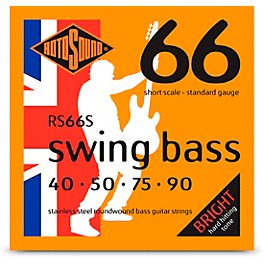
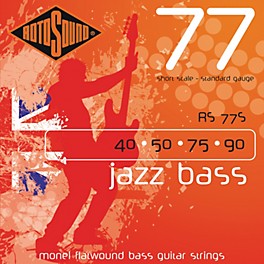
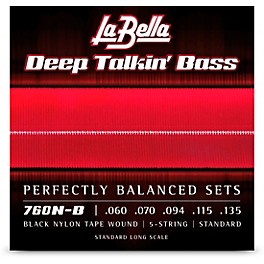
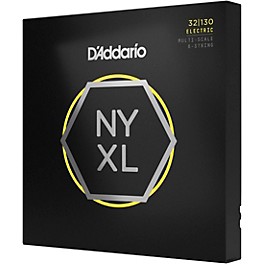
Bass strings do more than complete your instrument—they define your tone, feel and playing identity. Whether you’re after the smooth thump of classic Motown or the growling snap of modern rock, the right set of bass guitar strings will get you there. Think of James Jamerson’s flatwounds anchoring timeless soul grooves, Flea’s roundwounds cutting through funk-rock chaos or Geddy Lee’s stainless-steel clarity ringing out in prog anthems. Every legend’s tone starts with a specific type of string, and today’s options are more versatile than ever. Guitar Center offers a massive selection of bass strings for all styles and skill levels, with trusted names like D’Addario, Ernie Ball, DR, La Bella, Elixir and more. Whether you’re restringing a vintage P Bass or outfitting a 6-string monster, your sound starts here.

How to Choose the Right Bass Strings

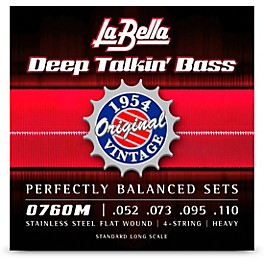
Start with feel and tone—roundwound strings are the most common, known for their brightness, texture and attack. They’re the go-to for rock, slap, punk and modern styles. Flatwound strings are smoother and warmer, with reduced finger noise and a rich, vintage vibe—ideal for soul, jazz and blues. Jamerson’s La Bella flats helped shape the Motown sound, while players like Steve Harris (Iron Maiden) and Justin Chancellor (Tool) rely on roundwounds for their signature drive and articulation. If you’re after something in between, try half-rounds or pressure-wound strings for a mix of smoothness and clarity. Match your gauge to your style too—lighter for speed and comfort, heavier for tone and punch. Don’t forget to check your bass’s scale length and string-through vs. top-load bridge before buying.

Key Recognizable Bass String Features

  • String Types: Roundwound, flatwound, half-round, tapewound
  • Materials: Nickel-plated steel, stainless steel, cobalt, nylon
  • Available Gauges: From extra-light to heavy (e.g., 40–95, 45–105, 50–110)
  • Tone Profiles: Bright (round), warm (flat), balanced (half-round/coated)
  • Feel Options: Smooth (flat/tape), textured (round), semi-smooth (half-round)
  • Popular Brands: Ernie Ball, D’Addario, DR, La Bella, Elixir, GHS
  • Used by Icons: James Jamerson (flatwounds), Geddy Lee (roundwounds), Flea (roundwounds)

What’s the difference between roundwound and flatwound bass strings?

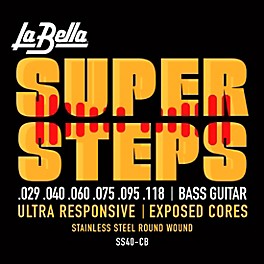
Roundwounds have a textured surface with a bright, cutting tone—perfect for rock, funk and slap. Flatwounds are smoother to the touch and provide a warm, vintage sound, popular for jazz, blues and soul.

What are the pros and cons of roundwound vs. flatwound bass strings?

Roundwound

  • Pros: Bright, punchy tone; great for slap and modern styles; widely available in many gauges and materials
  • Cons: More finger noise; can wear down frets faster; shorter lifespan for uncoated sets

Flatwound

  • Pros: Smooth feel with minimal finger noise; warm, vintage tone ideal for jazz, soul and blues; long-lasting with consistent tone
  • Cons: Less brightness and definition; fewer tonal variations; not ideal for slap or aggressive modern techniques

How often should I change my bass strings?

If you play regularly, roundwounds typically last 1–3 months before losing brightness. Flatwounds can last for years, especially if you like a broken-in tone. Coated strings last longer across the board.

Which strings are best for slap bass?

Roundwound strings—especially stainless steel—are ideal for slap styles thanks to their sharp attack and pronounced treble. Players like Flea and Marcus Miller rely on them for maximum impact.