.jpeg)

Pro Gear Advisers
•866-498-7882
Why the Diatonic Accordion Is Thriving: A Conversation With Hohner's Gilbert Reyes
As a young boy in an Italian family during the cultural ascendence of rock and roll, my grandmother told my mom something like, “Well, if he really wants to play music, we should get him an accordion and some lessons.”
Unfortunately for my grandma and scores of my Italian aunties and uncles, The Beatles appearance on The Ed Sullivan Show on February 9, 1964, tanked any chance the accordion would beat out the electric guitar for my beloved instrument of choice.
However, it was a different story in some other families.
While so many of my peers rejected the music and European folk traditions of their grandparents’ generation, the diatonic accordion stood strong in Latin communities, driving regional Mexican music, such as norteño, conjunto and Tex-Mex. In fact, the diatonic accordion still inspires new players today.
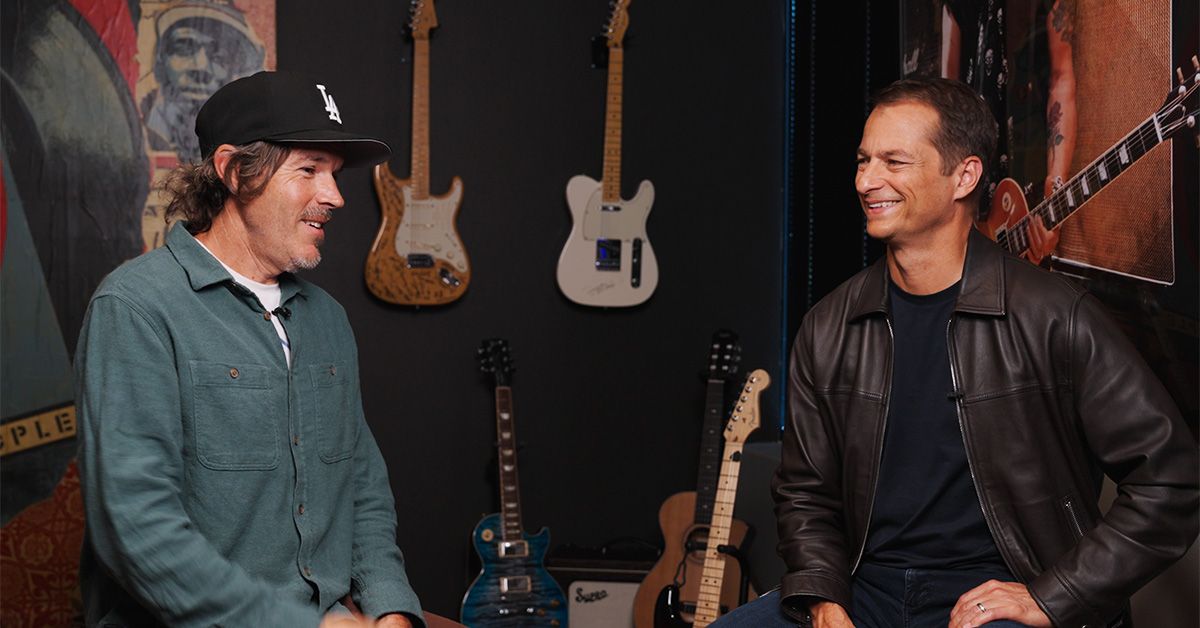
Few people are better equipped to explain the cultural significance and history of the accordion than Gilbert Reyes, product manager for Hohner Accordions. A third-generation accordion player raised in South Texas, Reyes has spent decades helping musicians, retailers and educators understand why the instrument remains central to a vibrant musical community.
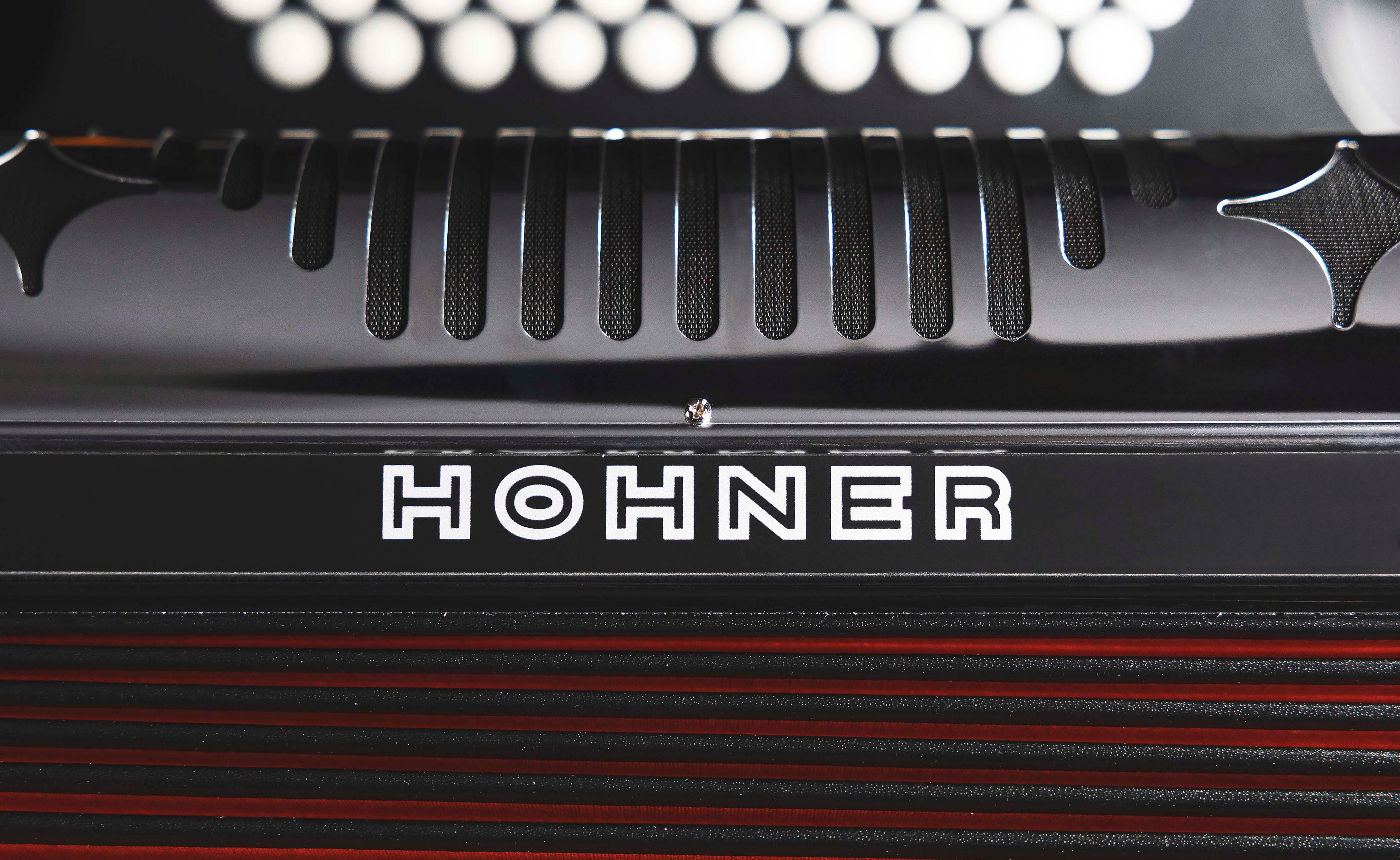
Pictured: Hohner Panther HA-3100FB FBbEb Accordion Branding
In this exclusive Guitar Center interview, Reyes explains why the accordion's continued relevance is about more than new products or evolving features or specs—it's about culture, heritage and the musicians who pass the tradition to the next generation.
Could you detail why the diatonic accordion became central—essential, perhaps—to the regional Mexican music scene?
Gilbert Reyes: When people talk about regional Mexican music, they're really talking about several styles under one umbrella, including norteño, Tex-Mex, conjunto and mariachi. Over time, the three-row diatonic accordion became the defining sound of many of those genres. Its tuning, attack, and phrasing fit the music perfectly, and players developed techniques that took advantage of all three rows to create the fast runs and melodic lines the style is known for today. While some groups use piano accordions, the diatonic accordion became the instrument most closely associated with the music and the culture surrounding it.
The most common key combinations are GCF and FBbEb, although you'll also find EAD and ADG. Instruments like the Hohner Panther HA3100 GCF, Hohner Panther HA3100 FBbEb, Hohner Compadre FBbEb and Hohner Corona C-II GCF became popular because they were built around the musical language these players already spoke. Generation after generation learned on those instruments, and the sound became part of the identity of the music itself. Today, when most people hear regional Mexican music, the diatonic accordion is one of the first sounds they recognize.

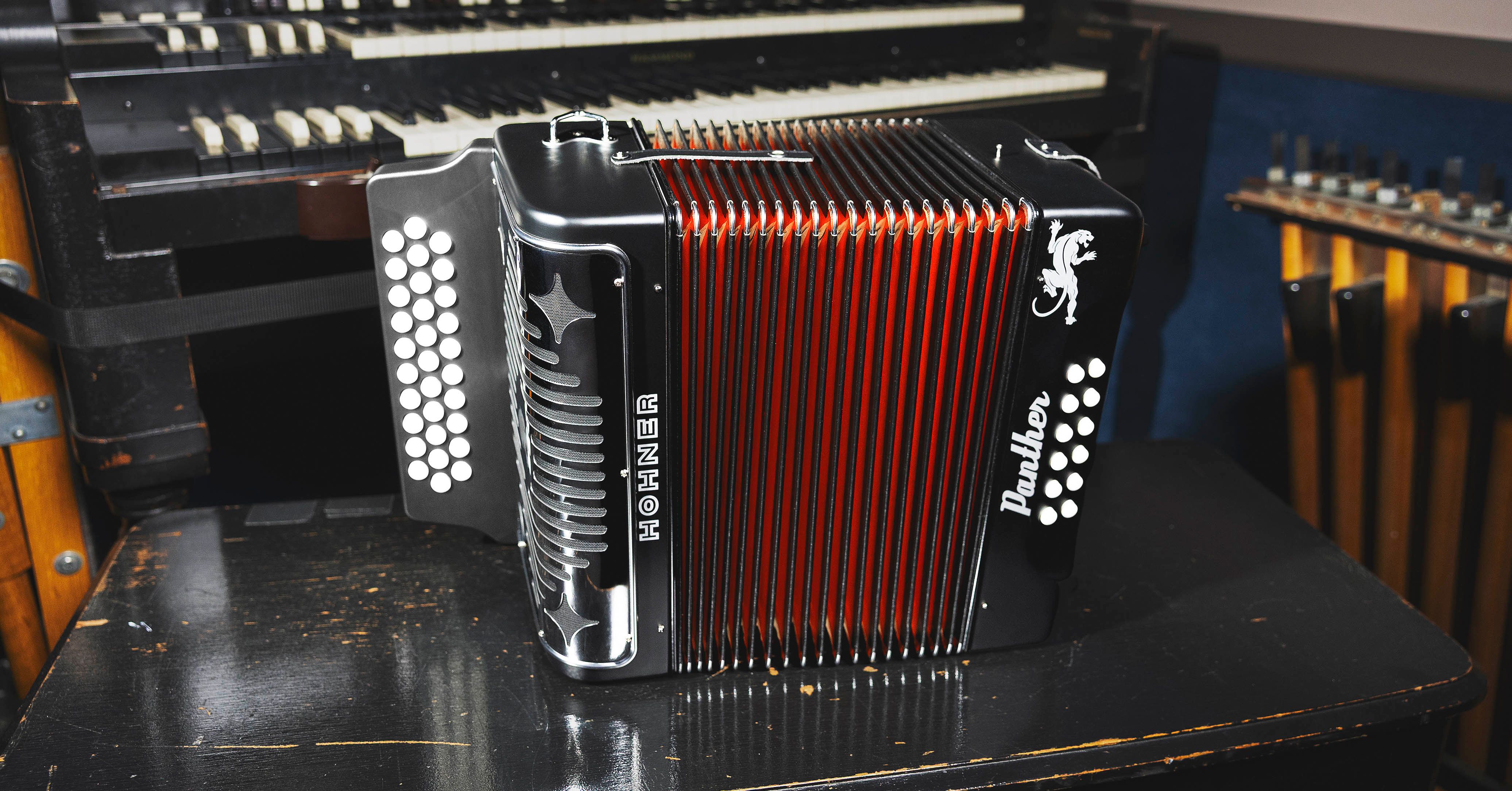
Shop Now: Hohner Panther HA-3100FB FBbEb Accordion
How do those models fit different players?
The Panther is our entry-level accordion, but I see professionals playing them all the time. I've gone to concerts and found Panthers on stage because they're dependable, versatile and affordable. In Mexico and California, you'll often see working musicians carrying one from gig to gig because it holds up well and does exactly what they need it to do. The Compadre sits in the middle of the lineup and gives players a few more refinements. The Corona C-II is our professional instrument. It offers a different level of craftsmanship, appearance and playing feel—including a celluloid finish, instead of the matte exterior used on the other models. The nice thing is that there's an accordion for every player. It really comes down to where they are in their musical journey and what they're looking for in an instrument.
What are some cultural and popular distinctions between a diatonic accordion and a piano accordion?
The piano accordion and the diatonic accordion followed very different educational traditions. The diatonic accordion was more like the harmonica. There wasn't a formal body of literature or conservatory system behind it, and most players learned by ear. The piano accordion, on the other hand, became part of formal music education. It was taught in schools, played in orchestras and studied in conservatories. To give you an idea of how big it was, at its peak in the 1950s, the NAMM Show in New York dedicated two entire floors to the piano accordion.
Then rock and roll arrived. Elvis. The Beatles. Electric guitars. Many baby boomers were drawn to the counterculture movement of the 1960s and embraced music that felt new, rebellious and distinct from their parents' generation. As a result, the piano accordion became associated with an earlier era. The diatonic accordion took a different path. In Mexican-American communities, the music remained deeply connected to family, culture and social gatherings. Younger generations continued embracing it alongside their parents and grandparents, rather than rejecting it. If you go to a Los Tigres del Norte concert today, you'll see people of every age in the audience. That's one of the reasons the diatonic accordion continues to grow.
One of the fascinating aspects of accordion history is how German and Polish music influenced Mexico’s music culture. How did that happen?
That's one of my favorite stories. Back around the turn of the 20th Century, many German and Polish immigrants came to northern Mexico to work in breweries and other industries, and they brought their style of music with them. These accordions were relatively inexpensive, so eventually they found their way into the Mexican community, and German and Polish musical influences were absorbed. If you listen to Flaco Jiménez playing a Mexican song, it almost sounds like a polka. That's because the “oom-pah” feel was incorporated into the music.
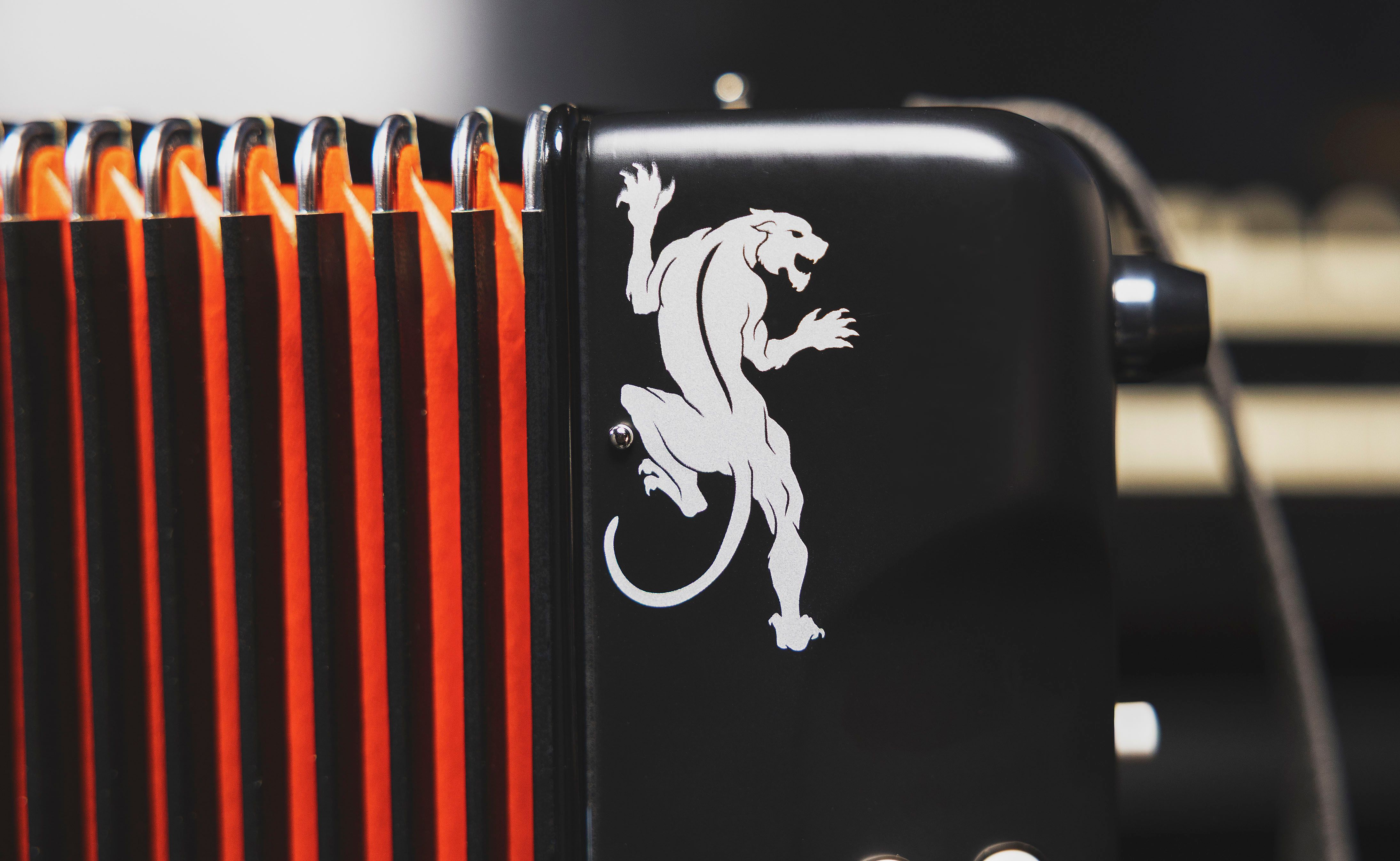
Pictured: Hohner Panther HA-3100FB FBbEb Accordion Panther Graphic
I smiled when I heard players often bring multiple accordions to a gig because it’s reminiscent of the racks of guitars and basses you often see at rock shows. But there’s more going on in the accordion world than, say, a guitarist wanting a choice of solidbody, hollowbody or different pickup tones, right?
Absolutely. Unlike a piano accordion, each diatonic accordion is limited to a specific set of keys, so if a player wants to cover a wide range of songs, it's common to have two, three or even four accordions onstage. We later introduced instruments that could switch between two tunings with the flip of a register, which helped reduce the need to carry multiple accordions, but many players still prefer having separate instruments set up exactly the way they like them. And honestly, sometimes it's not just about function. Players take a lot of pride in their accordions and having four or five of them onstage becomes part of the show. It's a little like a guitarist with a rack of guitars.
Do today's players influence the way Hohner designs its accordions?
I listen to players all the time. Because I'm an accordion player myself, I know what's possible and what's practical. We made the mechanism softer and more responsive, but just as importantly, we improved the feel of the fingerboard. Today's players perform incredibly fast riffs and runs that move across all three rows of the accordion. That's very different from the original German style, which often stayed within a single row. Mexican players expanded the instrument's possibilities by using all three rows to build scales and play with tremendous speed and fluidity. To support that style, the accordion has to feel smooth, fast and effortless under the fingers. That's exactly what we set out to improve.
How does appearance factor in? Has the look evolved over the years?
For decades, the Corona was known almost exclusively for its classic pearl red finish. But as a new generation of players came along, we started hearing they wanted instruments that reflected their own style and stage presence. That led us to expand the lineup with the HOHNER C-II finishes like Red to Gold, Green to Gold, White Rainbow and Silver Rainbow. Players were drawn to the way these colors shift and catch the light onstage. You move a little, the lighting changes, and suddenly the instrument takes on a different character. It becomes part of the performance.
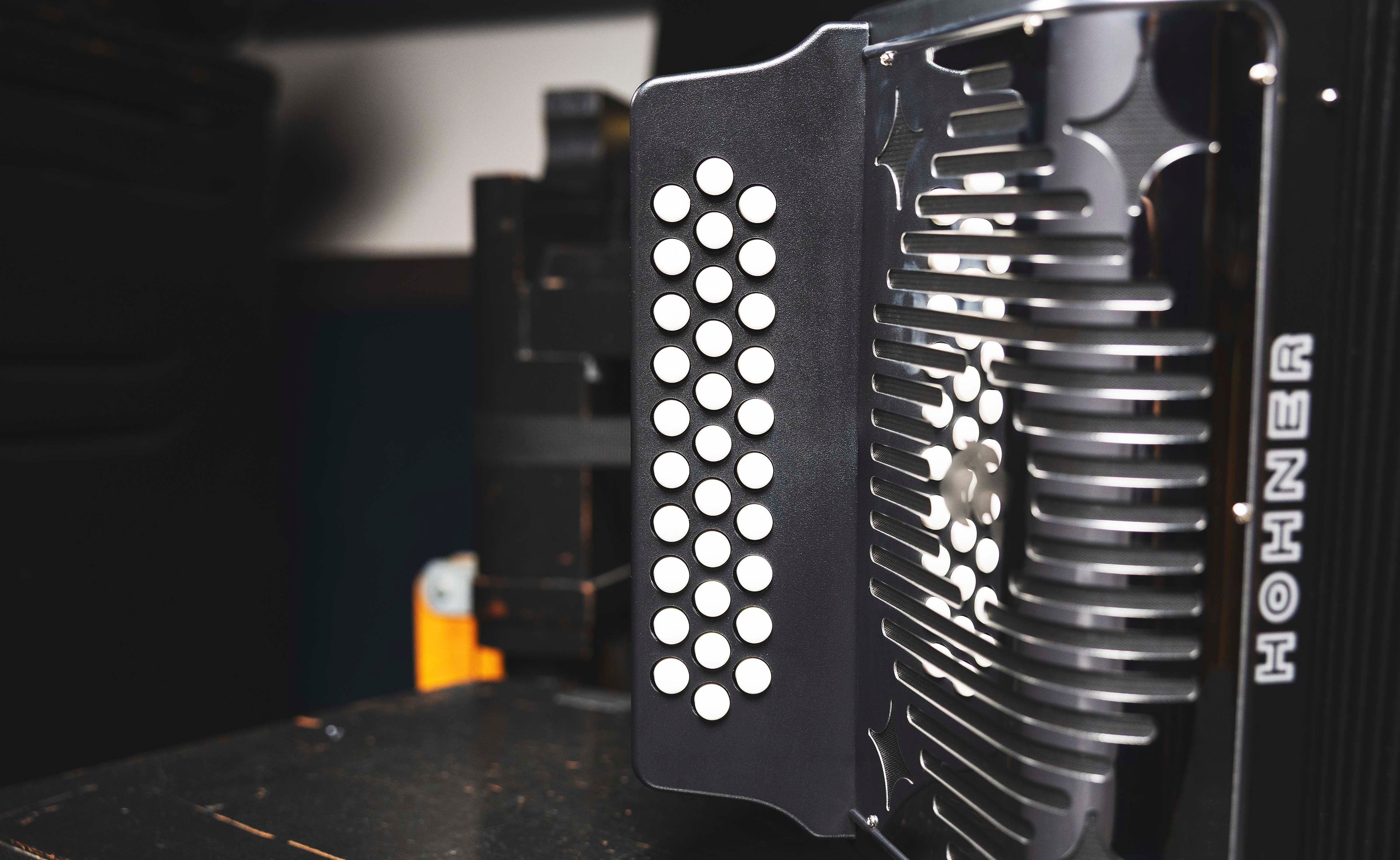
Pictured: Hohner Panther HA-3100FB FBbEb Accordion Treble Keys
When we were getting to know each other before the official interview started, you mentioned that many young accordion players immediately want a professional model. I’m more familiar with guitars, where entry-level instruments are usually the first thing a young, aspiring guitarist gets in their hands.
They follow their heroes. Los Tigres del Norte, for example, use a Corona II, so naturally a lot of young players want a Corona II. If a kid says, “I want the $2,000 accordion,” a lot of parents say, “Okay.” They want their son or daughter involved in music. It's better to make music than to be out in the streets. I hear that all the time when I visit schools.
What can music stores do to better serve accordion players and the regional Mexican music community?
First, make sure people know you carry accordions. These musicians are already coming into your store to buy microphones, PA systems, guitar stands, cables and other gear. But do they know accordions are there, as well? For example, I went to the Guitar Center in Nashville, and I kept looking and looking. Finally, I found some Panthers stuck in a corner. If customers don't see accordions, they're not going to buy them. It’s a simple as that.
Are there also opportunities for individual sales associates to know more about accordions?
It helps to know the basics, but the customer already knows what he or she wants. You don't have to pitch it to them. The players likely know more than the salespeople or store owner. The most important things you can do is carry the products and feature the artists who use them with signs or posters. That's a big deal to the community. They're thinking, “Wow—they're paying homage to our culture.”
That was part of my thinking when I joined Hohner in 2008. I was the first product manager to come from this musical background, speak Spanish and understand the culture. Before making product changes or introducing new models, I felt it was important to connect with the community and understand its needs firsthand. We worked with Los Tigres del Norte, Flaco Jiménez and Steve Jordan. To me, it wasn't, “Here's an accordion, buy it.” That doesn't work. We wanted to show the community that Hohner cared. Those relationships ultimately gave us the insight to continue improving our products in ways that mattered to the players.
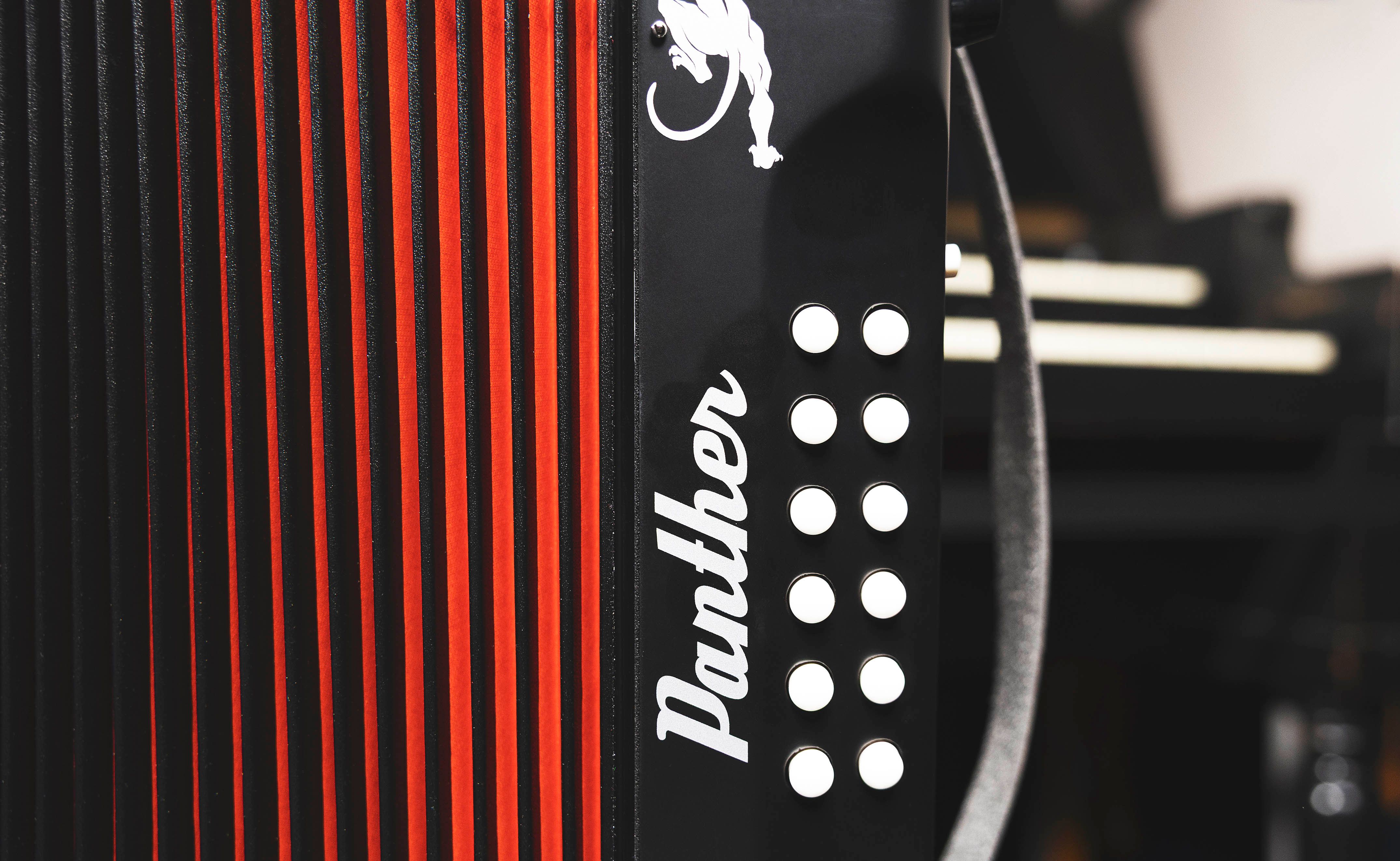
Pictured: Hohner Panther HA-3100FB FBbEb Accordion Bass/Chord Buttons
You've watched this musical culture evolve over the years. What has changed the most?
Some of the biggest changes have nothing to do with instruments. When I was growing up in South Texas in the mid-1970s, they wouldn’t let us speak Spanish in school—let alone allow us to play Mexican songs in music classes. But now, they have high school pep rallies with Mexican music, and so many kids are playing accordions. It amazes me how much has changed. The accordion is part of their music, their families and their culture. That’s why it’s still here.
Written By: Michael Molenda
Michael Molenda is a content strategist, editor and writer for Guitar Center, where he has worked since 2022. He is the longest-serving Editor in Chief of Guitar Player (1997-2018), and former Editorial Director of Bass Player, EQ, Keyboard, Electronic Musician, Gig and Modern Drummer. A guitarist, drummer, bassist and producer, Mike co-owned three pro recording studios in San Francisco, and performs with Surf Monster and The Trouble With Monkeys.
Be the first to know about exclusive offers, tips and more.

866-498-7882 English
877-687-5402 Español