

Pro Gear Advisers
•866-498-7882
Mark Agnesi on Murphy Lab, Vintage Guitars and Guitar Stores | Inside the Noise (S3, E3)
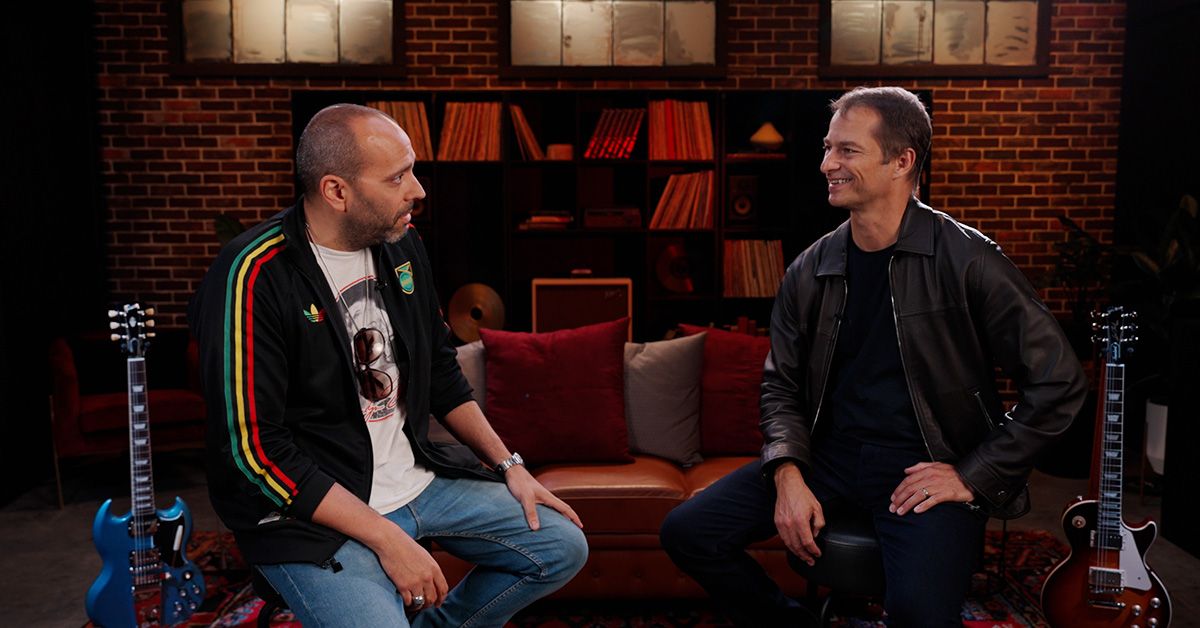
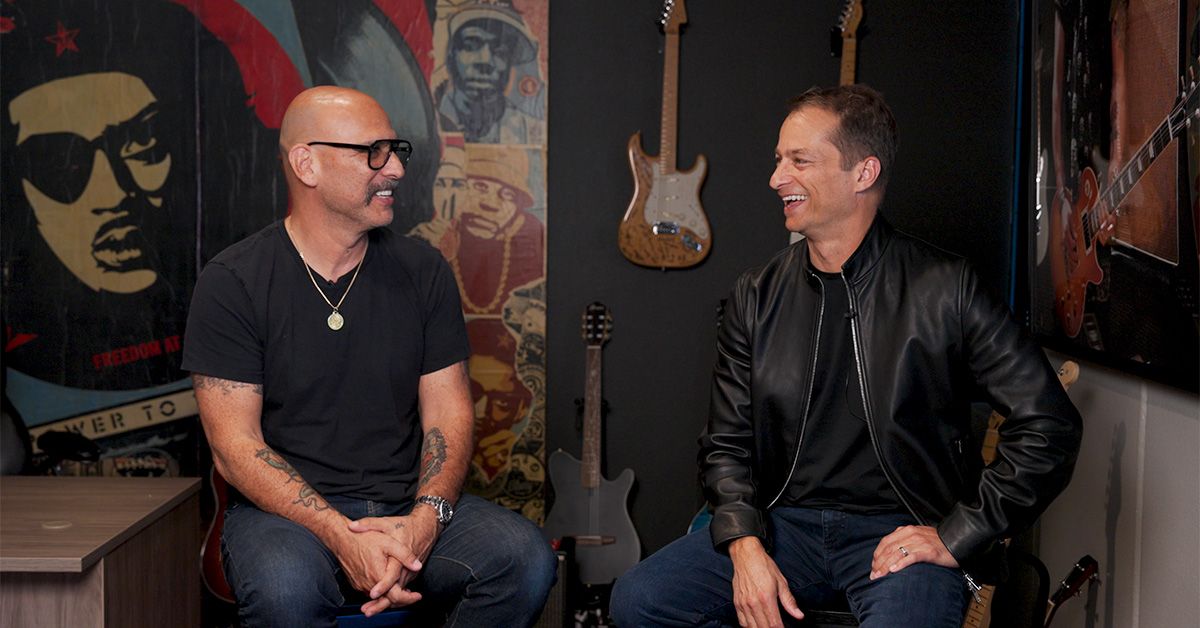
In this episode of Inside the Noise, Gibson Director of Brand Experience Mark Agnesi joins Guitar Center CEO Gabe Dalporto to explain why guitar stores are much more than places to buy instruments. They are community centers where lifelong musicians discover new gear, learn from experienced players and experience guitars in ways that simply can't happen online.
Agnesi also shares his journey from paging through the Musician's Friend catalog as a kid to working at Norman's Rare Guitars and eventually becoming Gibson’s Director of Brand Experience —along the way recounting a few memorable Guitar Center stories and his insights into vintage guitars and Gibson's Murphy Lab recreations.
Starting “Guitar of the Day” at Norman’s Rare Guitars
“Norman Harris was an icon in the industry long before I started working for Norman’s Rare Guitars,” says Agnesi. “That place is hallowed ground. Early on, Norm did a really great job making it the cool place where all the pros from Los Angeles went. When I started working there, it was during the reality TV boom, and everybody was like, ‘This should be a reality show.’ But when it was pitched to television it never took off. Then, this movie producer guy says, ‘Why don’t you guys just start a channel on YouTube and do it all yourself?’ The space wasn’t as crowded as it is today. The channel started building and I decided to start a daily content thing called ‘Guitar of the Day’ in 2016.”
The series quickly evolved into one of YouTube's most influential daily vintage-guitar showcases.
What You’re Really Paying For When You Buy a Vintage Guitar
While Agnesi was working at Norman’s Rare Guitars, Harris would tell people about the true value of vintage guitars.
“There is a magic to owning an original thing from a certain era,” says Agnesi. “You’re buying ownership of this thing that has survived and is still here to be played. Regarding the cost, Norm would always tell people, ‘You’re getting 90%, but the last 10% is what you’re paying all the money for. That’s the magical part.”
Gibson’s Murphy Lab Doesn’t “Relic” Guitars
“I hate seeing the term ‘relic’d’ in comments about Tom Murphy and the Gibson Murphy Lab, because we don’t relic guitars,” says Agnesi. “We age guitars. We try to age them to specific levels of the wear you’d see in real vintage examples out in the wild. For example, even a mint guitar that sat in someone’s closet for 60 years is going to have lacquer checking on it. We do everything we can to make a new guitar feel like what we call the ‘vintage ownership experience.’ I mean, almost no one can afford an original 1959 Les Paul. It’s ‘unobtainium’ for almost everybody. But what we can do is give people a ‘holy cow’ moment when they open the case. That is what the Gibson Custom Shop—and, specifically, the guitars coming out of the Murphy Lab—are trying to do, and I think they are doing a phenomenal job.”
Why Brick-and-Mortar Guitar Stores Are So Important
"What's the point of having physical retail if everything is moving online?" asks Agnesi. "You have to invite people in to experience actually playing what they could have bought online. This is very valuable and it can’t get lost. Musicians also need mentors who know what they’re talking about, as well as a place where everybody can meet in a good environment and share knowledge and opinions. For example, [streaming] playlists aren’t the same as talking to someone at a record store with the expertise to make recommendations you’d like. You know, ‘Oh, you should hear this.’ A lot of my music retail homies are very hard workers who often go off to play gigs when they’re done with their day at the store. Once you understand they know what they’re talking about—and they’re not just trying to sell stuff—you can start taking advice and opinions from them. This is another important reason why we can’t lose brick and mortar retail.”
Agnesi's Guitar Center Story
“When I was about ten years old and the Musician’s Friend catalog would come in the mail, I would sit there for hours looking through every single thing and circling stuff,” remembers Agnesi. “Then, around the time I turned 12, the Guitar Center store in North Olmsted, Ohio opened, and it was like, ‘This is like the Musician’s Friend catalog, except the stuff is right there on the wall and I can play it. This is going to be the place.’ I bought a 1997 Fender American Standard Telecaster in Lake Placid Blue there, because I thought it was the color of Brent Mason’s guitar that was shown on the back of his Hot Wired album. I got it for around $399 on closeout, but the color was wrong. I didn’t know Brent’s was actually primer gray.”
Dig into the Complete Mark Agnesi Interview
Catch the full conversation and other episodes of Inside the Noise with Gabe Dalporto on YouTube, Apple Podcasts, Spotify or any of your favorite major platforms. When you subscribe, you’ll get new episodes every Tuesday at 3 p.m. PT.
Written By: Michael Molenda
Michael Molenda is a content strategist, editor and writer for Guitar Center, where he has worked since 2022. He is the longest-serving Editor in Chief of Guitar Player (1997-2018), and former Editorial Director of Bass Player, EQ, Keyboard, Electronic Musician, Gig and Modern Drummer. A guitarist, drummer, bassist and producer, Mike co-owned three pro recording studios in San Francisco, and performs with Surf Monster and The Trouble With Monkeys.
Be the first to know about exclusive offers, tips and more.

866-498-7882 English
877-687-5402 Español