.jpeg)

Pro Gear Advisers
•866-498-7882
Cajons
Related Searches:
The cajon has evolved from a simple wooden box into one of the most expressive and portable percussion instruments around. Originally rooted in Afro-Peruvian music, it’s found a new home across a wide range of genres—from flamenco and Latin pop to acoustic rock and singer-songwriter sets. With top brands like Meinl, LP and Schlagwerk offering a variety of options, there’s a cajon for every style and every stage.
Relevance
1-9 out of 9 products
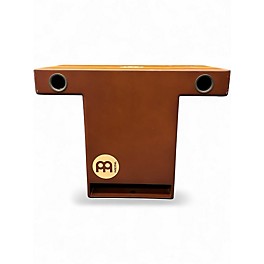
Special Financing Available
Learn More
Available at:Overland Park, KS
Condition: Great
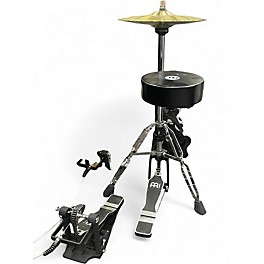
Special Financing Available
Learn More
Available at:Hickory Corners, NC
Condition: Great

Special Financing Available
Learn More
Available at:Columbia, SC
Condition: Good

Used WalkaBout Venture Cajon
$259.99
Special Financing Available
Learn More
Available at:Kansas City, MO
Condition: Great

Special Financing Available
Learn More
Available at:Mesquite, TX
Condition: Good
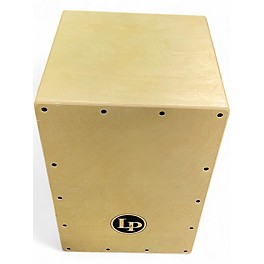
Used LP HWPW Cajon
$79.99
Special Financing Available
Learn More
Available at:Hickory Corners, NC
Condition: Great
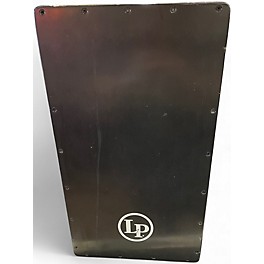
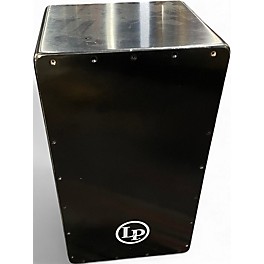
Used LP 1428NY Cajon
$59.99
Special Financing Available
Learn More
Available at:Spartanburg, SC
Condition: Fair
Special Financing Available
Learn More
Available at:Atlanta, GA
Condition: Great
Special Financing Available
Learn More
Available at:Braintree, MA
Condition: Good
1-9 out of 9 products
- Previous
- 1
- Next
A box-shaped hand percussion instrument that has its origins in 18th century Peru, the cajón is played by making contact with the front plate. It’s unique in that it’s designed for the percussionist to be seated on top of the instrument. The cajón slowly gained popularity throughout South America, and reached a peak in notoriety by the mid-1800s. By the early 20th century, the cajon had undergone considerable technological advancement, and had reached the bass box drum form we see today, with a resonant front plate made from a select tone wood, and open sound board at the rear.
Now an integral part of Peruvian and Cuban music, the cajón takes three main forms: the bass box drum, the middle drum, and the solo drum. While the bass box drum, believed to have been developed from a shipping crate, is large enough for the percussionist to sit atop it, the middle drum is said to have come from a smaller box used to ship church candles, and is played with spoons instead of the palms and fingers. The solo drum is believed to have originated from a drawer.
The cajón made a considerable jump in the 1970s, when Peruvian composer and cajón master Caitro Soto gave Spanish guitarist Paco de Lucía a cajón during one of his visits to Peru. De Lucía is said to have liked the sounds of this instrument so much that he purchased a second cajón before leaving the country, and eventually introduced the cajón to flamenco music. Since that time, the cajón has been incorporated into nearly every style of music, including modern rock and hip-hop music. The invention of the remote kick pedal allows the drummer to sit on the cajon, play the drum kit and percussion with his hands, and sound the cajon by depressing a pedal that is often conveniently placed between the hi-hat pedal and double bass pedal.
Be the first to know about exclusive offers, tips and more.

866-498-7882 English
877-687-5402 Español