Guitar Center logo
gear advisor icon
Pro Gear Advisers
866-498-7882

Guitar Strings

1-24 out of 1223 products

$99+ Qualifying Accessories
Special Financing Available
Learn More
$99+ Qualifying Accessories
Special Financing Available
Learn More
$99+ Qualifying Accessories
Special Financing Available
Learn More
$99+ Qualifying Accessories
Special Financing Available
Learn More
$99+ Qualifying Accessories
Special Financing Available
Learn More
$99+ Qualifying Accessories
Special Financing Available
Learn More
$99+ Qualifying Accessories
Special Financing Available
Learn More
$99+ Qualifying Accessories
Special Financing Available
Learn More
$99+ Qualifying Accessories
Special Financing Available
Learn More
$99+ Qualifying Accessories
Special Financing Available
Learn More
$99+ Qualifying Accessories
Special Financing Available
Learn More
$99+ Qualifying Accessories
Special Financing Available
Learn More
$99+ Qualifying Accessories
Special Financing Available
Learn More
$99+ Qualifying Accessories
Special Financing Available
Learn More
$99+ Qualifying Accessories
Special Financing Available
Learn More
$99+ Qualifying Accessories
Special Financing Available
Learn More
$99+ Qualifying Accessories
Special Financing Available
Learn More
$99+ Qualifying Accessories
Special Financing Available
Learn More
$99+ Qualifying Accessories
Special Financing Available
Learn More
$99+ Qualifying Accessories
Special Financing Available
Learn More
$99+ Qualifying Accessories
Special Financing Available
Learn More
$99+ Qualifying Accessories
Special Financing Available
Learn More
$99+ Qualifying Accessories
Special Financing Available
Learn More
$99+ Qualifying Accessories
Special Financing Available
Learn More

1-24 out of 1223 products


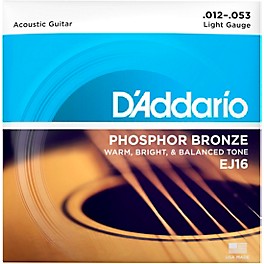
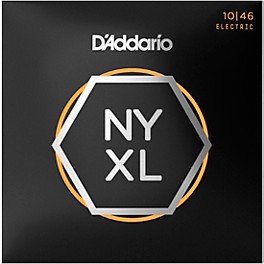
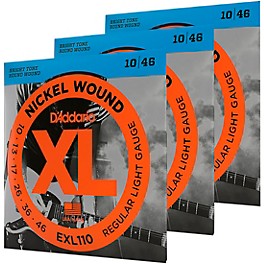
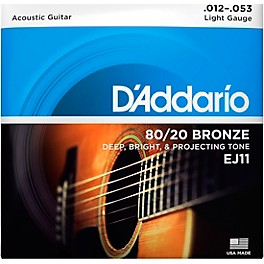
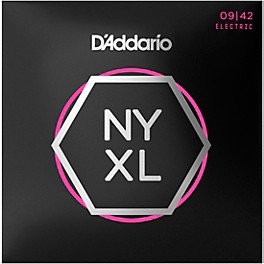
Choosing the right guitar strings is one of the easiest ways to shape your instrument's sound and feel! These essential strands are the voice of your guitar, translating your playing into vibration and tone. Whether you play acoustic or electric, the world of guitar strings offers a huge variety in materials (like bronze or nickel), construction (how they're wound), and thickness (gauge). Understanding these basics is key to finding the perfect set, perhaps starting with popular choices from good brands like D'Addario, to match your style and guitar.

How Guitar Strings Shape Your Sound and Playability

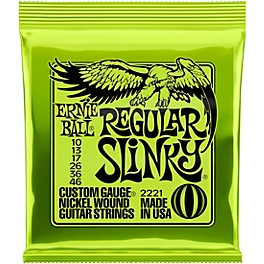
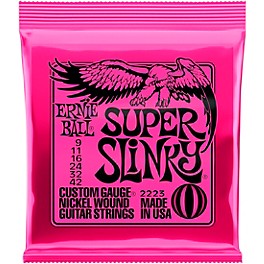
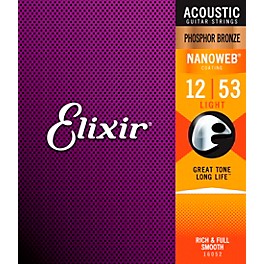
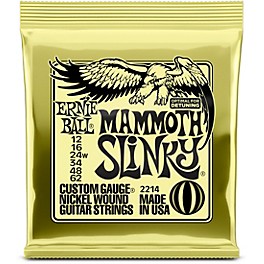
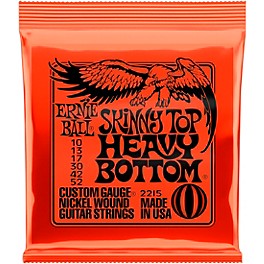
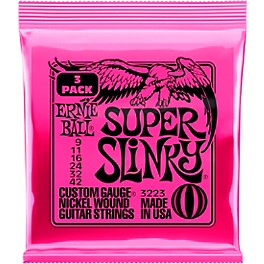
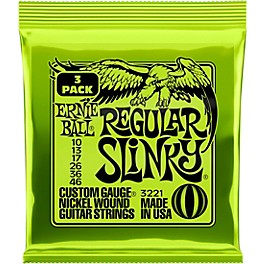
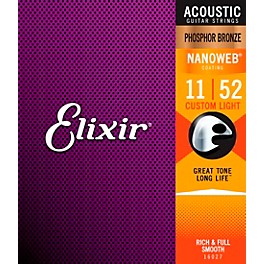
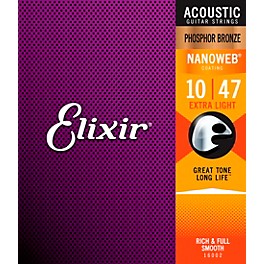
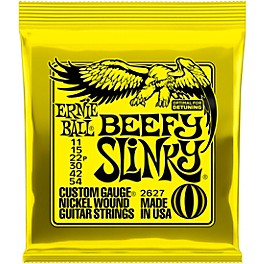
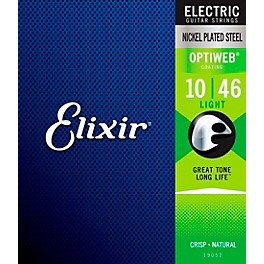
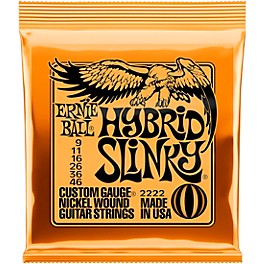
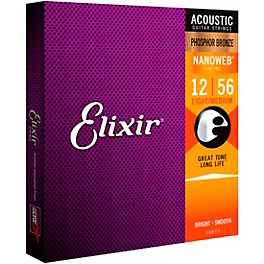
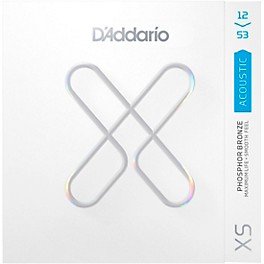
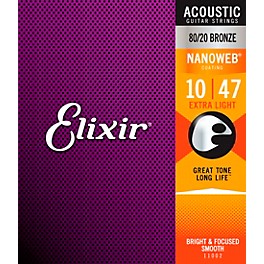
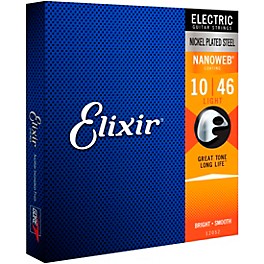
Different guitar strings create distinct sounds. Acoustic guitar strings often use bronze alloys (like 80/20 or Phosphor Bronze from brands such as Martin) for warmth and projection, while electric guitar strings typically use nickel-plated steel (like best-selling Ernie Ball Slinkys) for interaction with pickups. Roundwound strings are bright and textured, common for most styles. Flatwound strings offer a mellow, vintage thump, great for jazz or Motown basslines (and some guitarists!). Coated strings, like those from Elixir, resist corrosion for longer life. The string gauge (thickness) greatly affects playability and tone – lighter gauges bend easier, heavier gauges offer more volume and sustain. Every player finds their preference through experimentation, defining their unique sound.

Key Recognizable Guitar String Features:

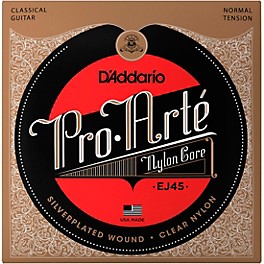
  • Type: Acoustic (e.g., Phosphor Bronze, 80/20 Bronze), Electric (e.g., Nickel Wound, Stainless Steel), Classical (Nylon).
  • Winding: Roundwound, Flatwound, Half-Round/Groundwound.
  • Material: Bronze alloys, Nickel-Plated Steel, Stainless Steel, Pure Nickel, Nylon, etc.
  • Coating: Coated (various types) or Uncoated.
  • Gauge: Thickness, described by sets (e.g., Extra Light, Light, Medium, Heavy) or specific numbers (e.g., .010-.046).
  • Core Shape: Hex Core (most common) or Round Core.
  • String End: Ball End (most common) or Loop End (less common).

What are the pros and cons of Coated vs. Uncoated Guitar Strings?

  • Pros: Coated - Longer lifespan (resist corrosion/dirt), smoother feel for less finger noise, tone stays consistent longer; Uncoated - Brighter initial tone (for some types), often more affordable upfront, traditional feel.
  • Cons: Coated - Can feel slick/different to some players, initial tone might be slightly less bright than uncoated equivalent, higher initial cost; Uncoated - Tone degrades faster, more susceptible to corrosion from sweat/humidity, can have more finger squeak.

How often should I change guitar strings?

This depends heavily on how much you play, your body chemistry (sweat), and string type (coated last longer). Many players change them every few weeks to a few months, or whenever they sound dull, feel grimy, or have trouble staying in tune. Fresh strings sound best!

What guitar string gauge should I use?

Lighter gauges (like .009s or .010s for electric, .011s or .012s for acoustic) are easier to bend and fret, good for beginners or lead players. Heavier gauges (like .011+ electric, .013+ acoustic) offer more volume, sustain, and stability for lower tunings or aggressive strumming. Medium gauges are a popular starting point. Experiment to find what feels best for you!

What's the difference between acoustic and electric guitar strings?

They use different materials designed for how each instrument produces sound. Acoustic strings (usually bronze or phosphor bronze) are made to resonate acoustically. Electric strings (usually nickel-plated steel or stainless steel) are designed to interact with magnetic pickups. Using the wrong type will result in poor tone and performance. Classical guitars use nylon strings, which are entirely different again.