Refine Your Results
Availability
Brands
No matching Brands.
Condition
Price
Savings & specials
No matching savings.
More ways to shop
No matching deals.
.jpeg)

1-24 out of 149 products
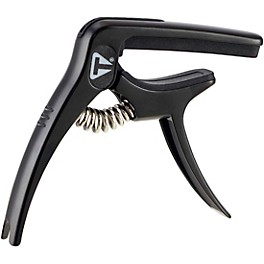
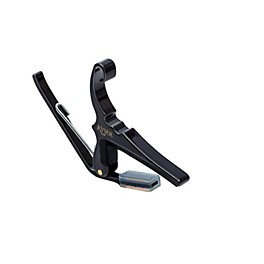
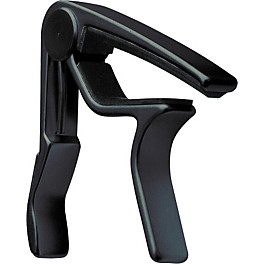
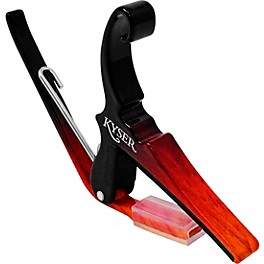
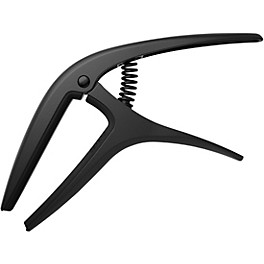
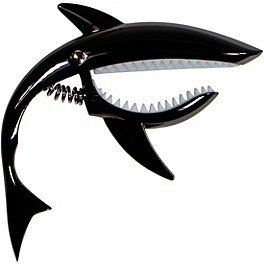
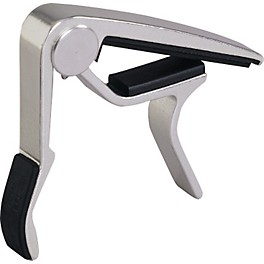
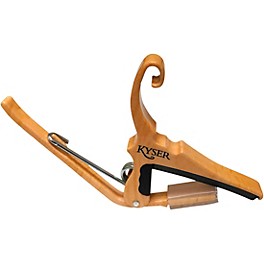
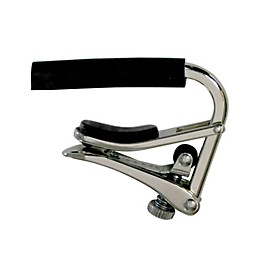
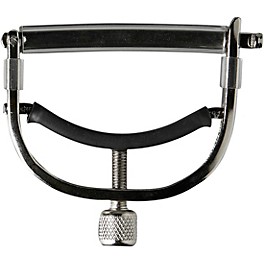
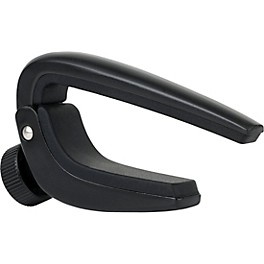
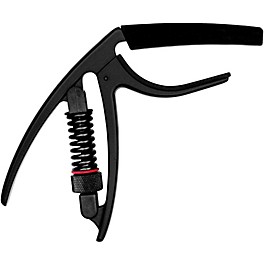
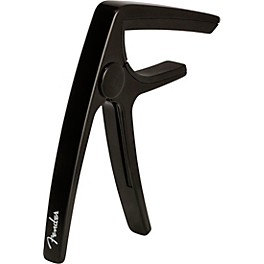
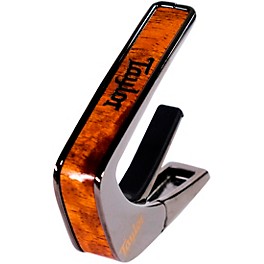
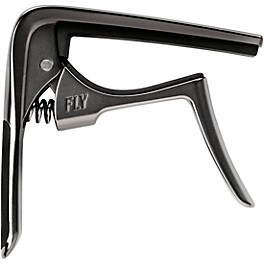
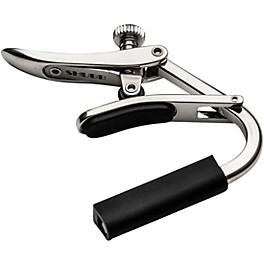
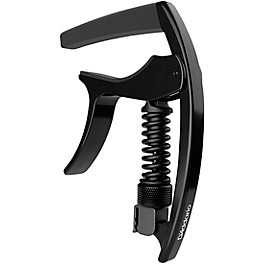
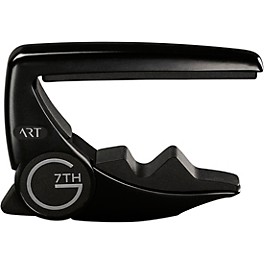
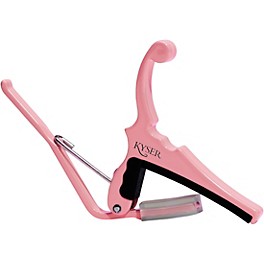
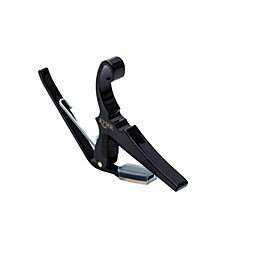
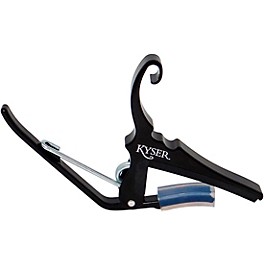
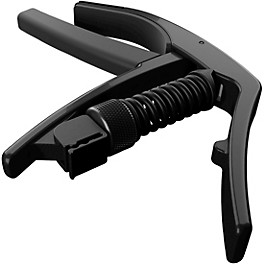
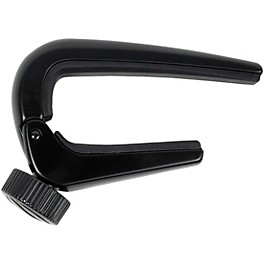
Ready to take your guitar capo game beyond just clamping it on the second fret? This essential guitarist's tool offers more creative possibilities than you might think. Experimenting with placement unlocks unique harmonic textures and voicings, while choosing the right type of capo—trigger, screw, yoke—can impact tuning stability and ease of use during performance. Whether you play acoustic guitar or electric guitar, having a dependable guitar capo (or maybe even a few different types!) opens doors to easier playing in any key and fresh sonic explorations.
Why use a guitar capo? The main benefit is instantly transposing a song—play familiar open chord shapes higher up the neck to easily change guitar key or perfectly match a singer's vocal range. Using a capo also alters the guitar's timbre, often producing a brighter guitar tone similar to smaller instruments, such as mandolins or ukuleles (and indeed, specialized capos exist for instruments like ukulele and banjo too). It simplifies complex arrangements and sparks creativity by making previously difficult voicings accessible, making it feel like you have a whole new instrument.
While you won't find "capo virtuosos," the guitar capo is a vital tool, essential for iconic singer-songwriters such as Bob Dylan and Taylor Swift, and deeply ingrained in folk and bluegrass traditions, wielded by players from the legendary Tony Rice to modern stars like Billy Strings and Sierra Ferrell, and many others. It's used constantly across country, pop and rock too. Its simple function unlocks complex sounds and makes performances smoother. Whether you play acoustic guitar or electric guitar, finding the right capo is essential. Explore our wide variety of capo types and styles—from reliable trigger capos to precision screw models—and discover how this small device can make a big difference in your playing.