About Vox:
Vox got its start in England in the mid-1950s, when founder Tom Jennings added Dick Denney, an amplifier designer he’d met when both were working as engineers during the war, to the staff at his company, Jennings Musical Industries (or JMI). The company, which started as an accordion repair shop (Jennings was an accomplished accordionist), had been making small amplifiers and volume pedals, using the name "Vox" (Latin for "voice") first for a volume pedal, then for small amplifiers. But it was the hiring of Denney as amp designer in 1957 that began to move the company's products more into the public eye.
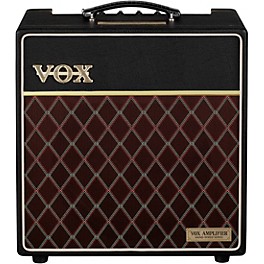
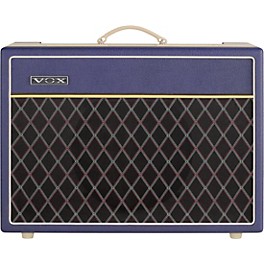
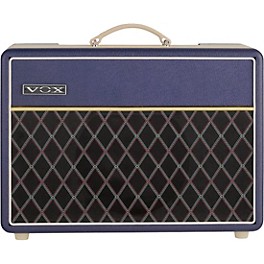
As rock ‘n’ roll began to dominate the music scene, Vox amps (notably the early AC15) were adopted by British acts like The Shadows, and other musicians began to notice the clean chime and punch of Dick Denney's designs. The AC30 (with double the wattage) followed soon after, as rock ‘n’ roll guitarists wanted more volume. With the addition of the "Top Boost" circuit in 1961, offering expanded tone control and an extra gain stage, the AC30 quickly became the "voice" of the nascent British Invasion.
Read More>
It wasn't just amps, though. The 1962 introduction of the Vox Continental organ saw that keyboard with its distinctive reverse keyboard, rapidly adopted by most of the up-and-coming British bands, like The Animals and The Beatles, and spreading to many American bands. The distinctive sound of the Continental was immortalized in such numbers as “In-A-Gadda-Da-Vida,” “House of the Rising Sun,” and many songs recorded by The Doors. The line of Vox guitars also gained a foothold in rock ‘n’ roll, most notably when Brian Jones of the Rolling Stones played a "teardrop" Phantom guitar extensively during 1964 and 1965.
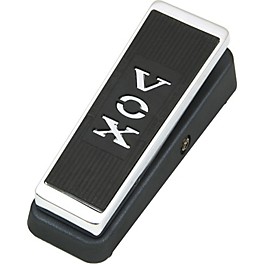
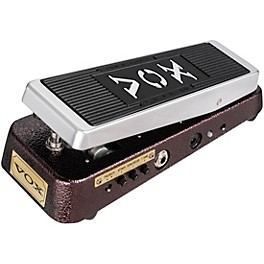
Vox also built custom amplifiers for the Beatles, who needed ever-louder amps for their ever-growing audiences, and developed the first successful wah-wah pedal. The wah-wah, originally designed to approximate the sound of a muted trumpet, was adopted by guitarists like Jimi Hendrix and Eric Clapton for its unique vocal quality and soon became an indispensable part of every guitar player’s rig.
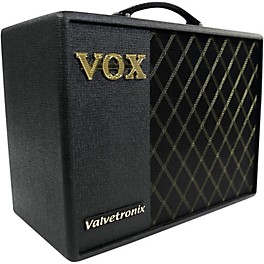
Vox amplifiers are still known for their warmth and expression, qualities every musician needs to fully realize his or her sound, and Vox has continued to innovate with such advances as their Valvetronix series, combining tubes and digital signal processing to provide the wide range of expressive tones modern guitarists desire.
Close>