About Snare Drums:
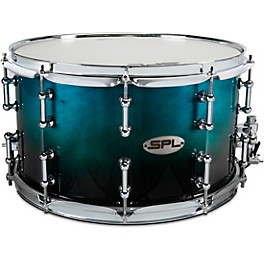
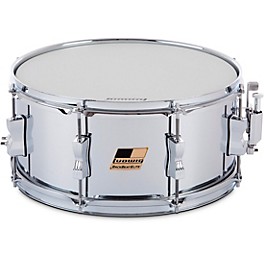
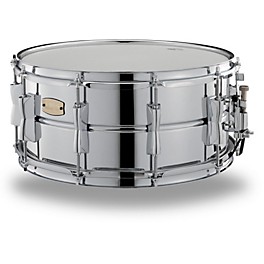
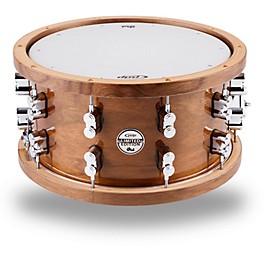
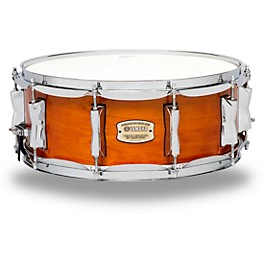
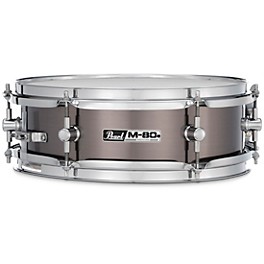
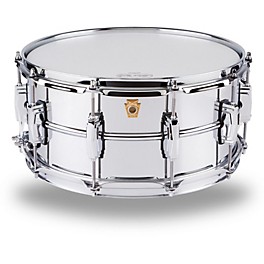
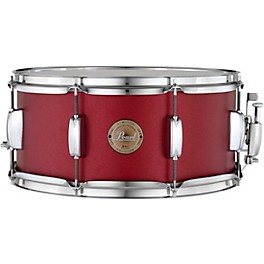
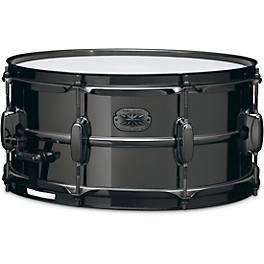
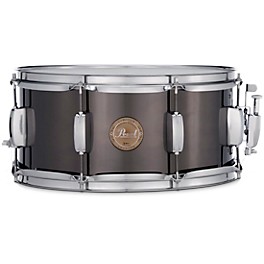
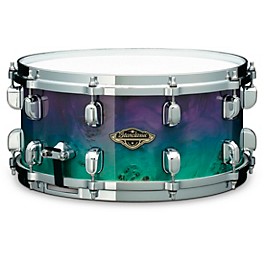
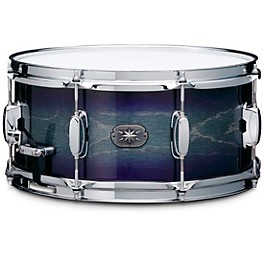
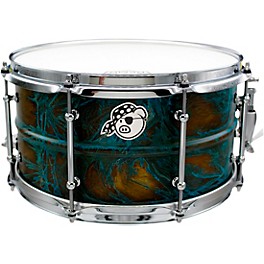
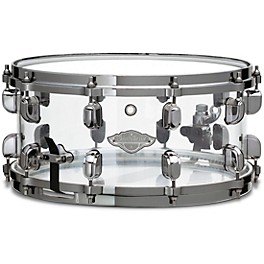
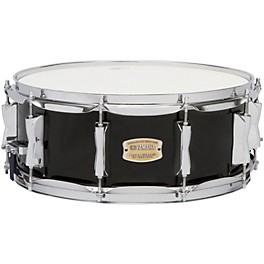
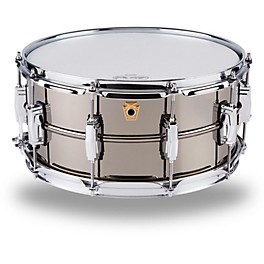
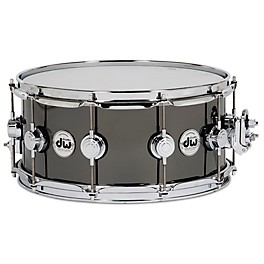
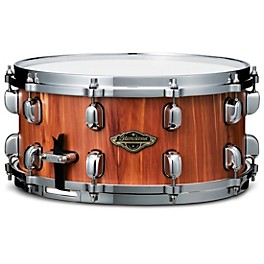
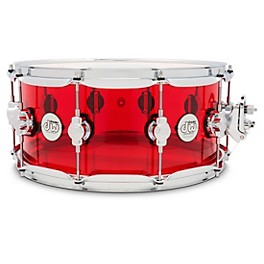
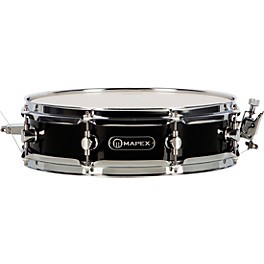
Considered by most to be the focal point of the modern drum setup, the snare drum has its roots in military and parading contexts to produce drum cadences that set the marching pace. Snare drums vary greatly in depth and diameter, as well as in materials. While they’re most commonly formed from maple and brass, other materials such as birch, mahogany, bamboo, stainless steel, aluminum, copper and even concrete have been used as shell materials with success.
Read More>
The snare drum gets its unique sounds from the resonant head, also known as the bottom head, and its interaction with a series of beaded wires, or snare wires. Most modern snares utilize a throw-off mechanism, which allows the player to adjust the level of snare sound by tightening or loosening the snare wires, changing the amount of interaction the beads have with the resonant head. Tighter wires produce more snare sound, but limit resonance, creating what’s referred to as a “tight” sound. Looser wires allow the head to resonate more, lengthening decay, though with reduced snare interaction. The throw-off can also be used to remove the snare wires from the resonant head entirely, essentially creating a wide, short tom drum.
Today, snares are being built by all major manufacturers, though some makers dedicate more time to developing snares of one type or another, whether it be wood or metal snares. Finding the right snare for your sound can be a lifelong venture, and many professionals even keep up to a dozen or more snares at the ready, allowing them to jump seamlessly from one musical setting to another.
Close>