Refine Your Results
Availability
Category
Brands
No matching Brands.
Condition
Price
Savings & specials
No matching savings.
More ways to shop
No matching deals.
.jpeg)

1-24 out of 106 products
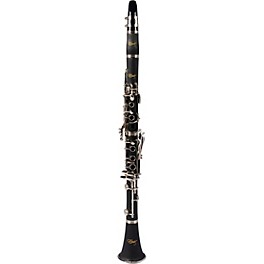
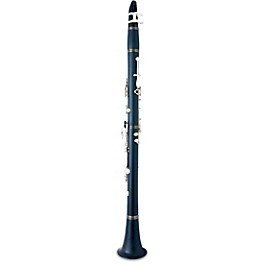
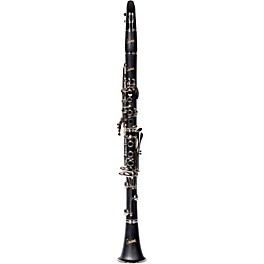
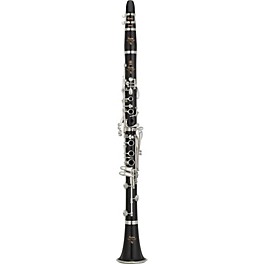
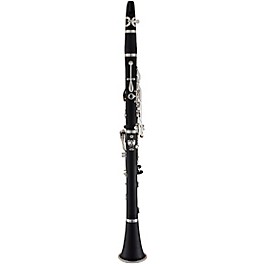
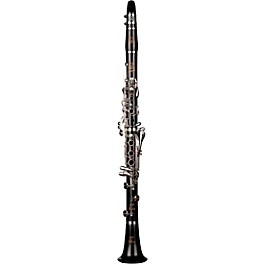
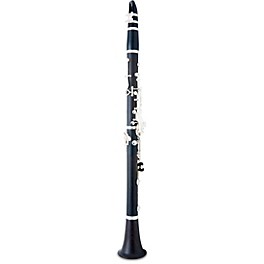
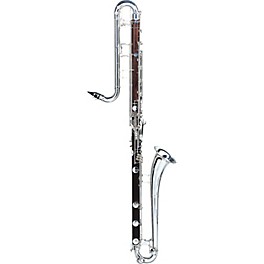
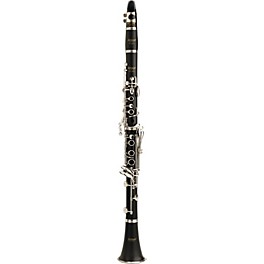
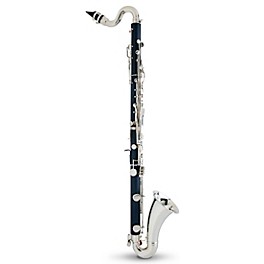
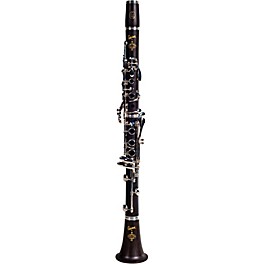
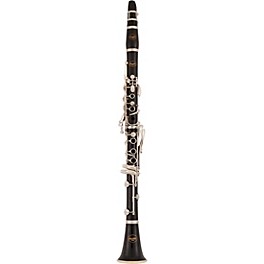

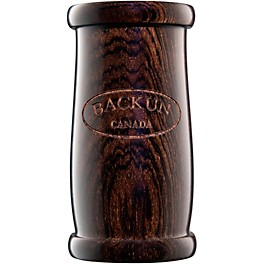
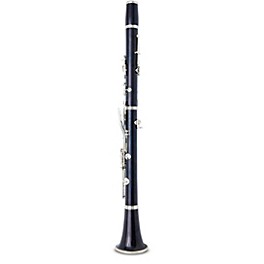
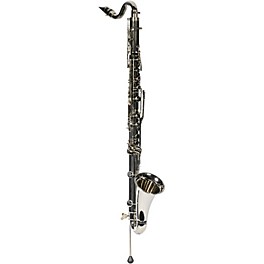
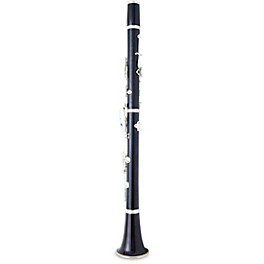


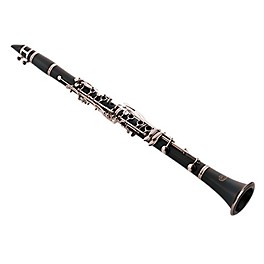
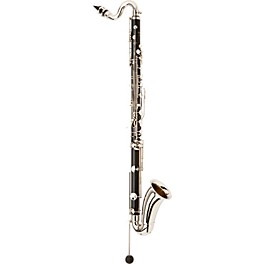
The clarinet is one of the most versatile and expressive woodwind instruments, celebrated for its smooth tone, agility and wide dynamic range. From Benny Goodman’s legendary swing solos to Mozart’s timeless Clarinet Concerto in A major, the clarinet has shaped music history across genres. Whether you’re performing classical concertos, grooving through a jazz set or adding brilliance to a marching band, the clarinet fits seamlessly into countless musical styles. Available in a range of sizes and tunings, the clarinet family includes everything from the popular Bb model to bass and contrabass versions. Top brands like Buffet Crampon, Yamaha, Selmer and Jupiter offer exceptional clarinets for beginners, advancing students and professionals alike.
Selecting the right clarinet depends on your skill level, musical ambitions and preferred genre. Bb clarinets are the most common, ideal for beginners and used across classical, jazz and band settings. Orchestral musicians often also rely on the A clarinet for its slightly richer tone. For a deeper, more resonant voice, the bass clarinet brings powerful low-end depth to concert bands and ensembles. Materials also matter—student models often use durable resins, while intermediate and professional clarinets feature hand-selected grenadilla wood for superior resonance. Whether you’re just starting out or stepping onto the world stage, finding the right clarinet can help bring your unique musical voice to life.
Disassemble and swab your clarinet after every session to remove moisture. Keep corks greased, check pads regularly and avoid extreme temperatures. Store it securely in its case to prevent warping or cracking, especially for wooden models.
A high-quality student clarinet made from ABS resin, like models from Yamaha or Buffet Crampon, offers durability and excellent playability. They’re designed for easy response and solid intonation, helping new players build good technique from the start.
Expect to replace reeds every 2–4 weeks, depending on playing time and reed strength. If a reed becomes chipped, warped or starts sounding dull, it’s time for a new one. Regularly rotating several reeds extends their life and ensures consistent performance.