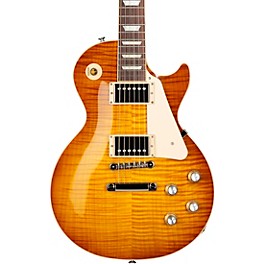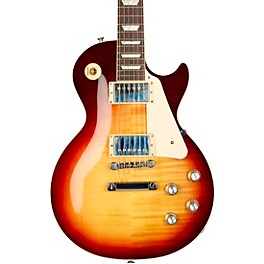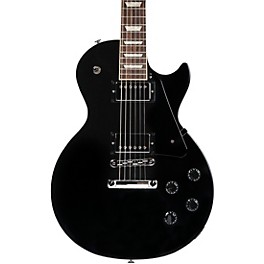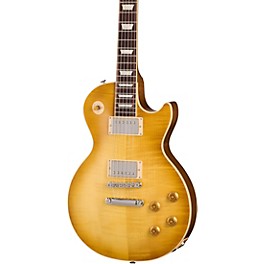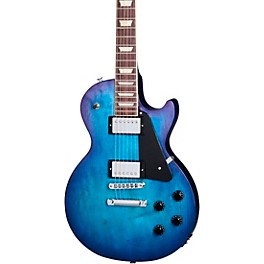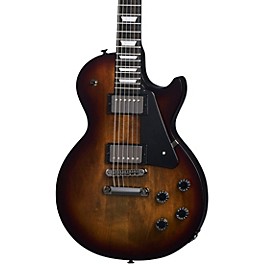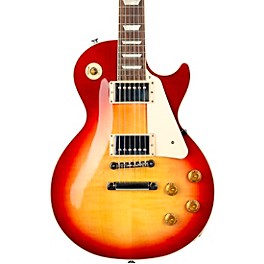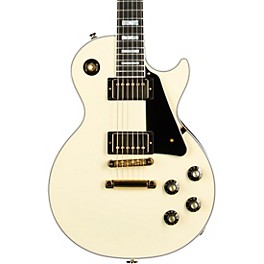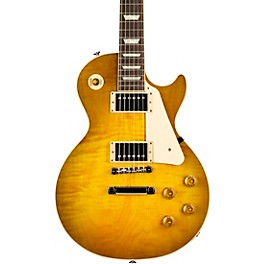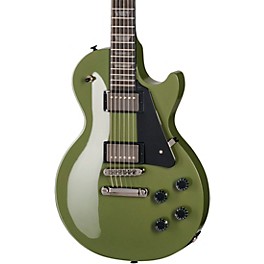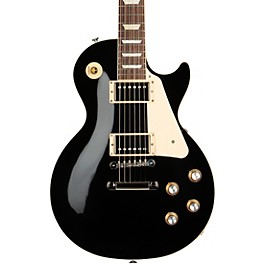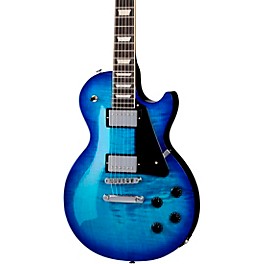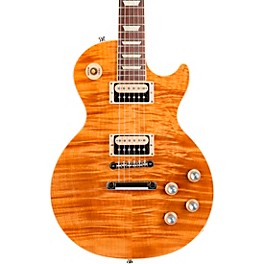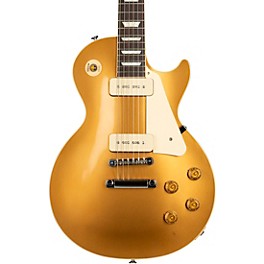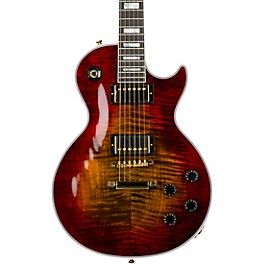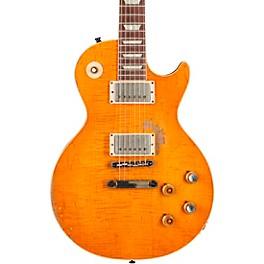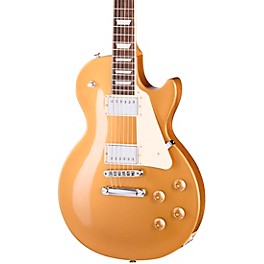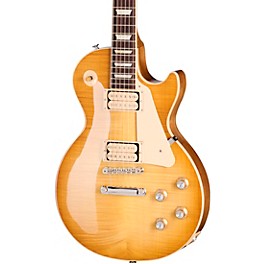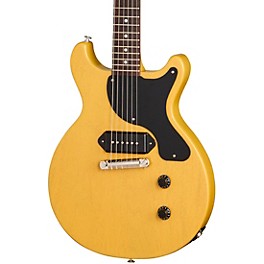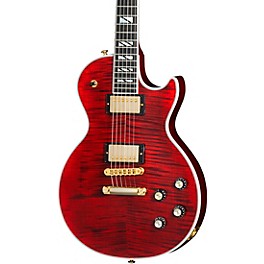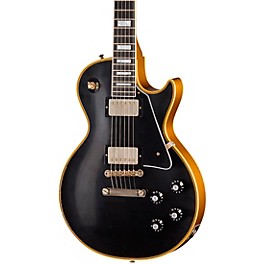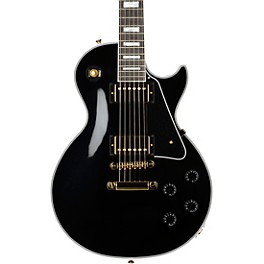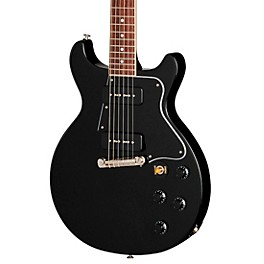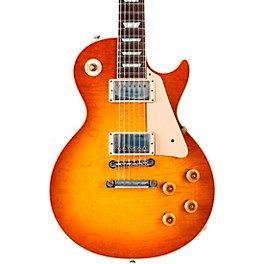
Step into rock royalty with the Gibson Les Paul, arguably one of the most legendary and influential electric guitars ever created. Introduced in 1952 in collaboration with the innovator Les Paul himself, its iconic single-cutaway design, typically featuring a solid mahogany body often capped with maple, set a new standard for tone and sustain. Instantly recognizable and eternally cool, the Gibson Les Paul became a cornerstone of rock, blues, and countless other genres, offered in various forms from stripped-down Juniors to ornate Customs.
Legendary Les Paul Tone, Endless Sustain, Timeless Appeal
The signature sound of a Gibson Les Paul is defined by its incredible sustain and thick, powerful voice, largely thanks to its mahogany body and groundbreaking humbucker pickups (introduced in the late '50s). It delivers warmth and richness perfect for blues licks, searing rock solos, and heavy power chords. While often possessing a substantial feel, its playability has been honed over decades. Learn more in our Gibson Pickups Guide. This legendary tone has been wielded by guitar heroes like Jimmy Page, Slash, and Peter Frampton, cementing its place on countless classic recordings. It's the sound that defined generations of rock.
Key Gibson Les Paul Features:
Single-Cutaway Body Shape: Instantly recognizable silhouette.
Mahogany Body: Core tonewood providing warmth and sustain.
Maple Top (Standard/Custom): Adds brightness and visual appeal (often figured).
Set-Neck Construction: Enhances sustain and resonance.
Dual Humbucker Pickups (Typical): Delivers thick, powerful, noise-canceling tone (P90s on some Juniors/Specials).
Pros: Iconic, powerful tone with massive sustain; Legendary status and visual appeal; Excellent for rock, blues, heavy genres; Often features high-quality humbuckers; Great tuning stability (typically).
Cons: Can be heavy compared to other guitars; Often more expensive than other models; Single cutaway limits highest fret access compared to double-cuts; Neck profiles can be thick for some players; Headstock angle vulnerability (common Gibson trait).
What makes a Gibson Les Paul special?
Its unique combination of a thick mahogany body (often with a maple top), set-neck construction, and powerful humbucker pickups creates a signature sound with incredible warmth, sustain, and power. Added to its iconic shape and rich history associated with legendary players, the Gibson Les Paul holds a special place in music.
What's the difference between a Les Paul Standard and Custom?
Historically, Gibson Pickups Guide (especially from the late '50s) focused on performance with features like figured maple tops and PAF humbuckers. The Custom was envisioned as the high-end, deluxe "tuxedo" model, often featuring an ebony fretboard, multi-ply binding, block inlays, gold hardware, and sometimes different pickup configurations. Today, specs vary by year/reissue, but Custom generally signifies higher-end appointments.
Are Les Pauls heavy?
Traditionally, yes. The solid mahogany body (often non-weight-relieved in vintage/reissue models) contributes significant weight, typically ranging from 9 to 12 pounds or more. However, Gibson now offers many models with various forms of weight relief (chambering, modern weight relief) that significantly reduce weight while aiming to retain the core tone, making them much more comfortable for some players.