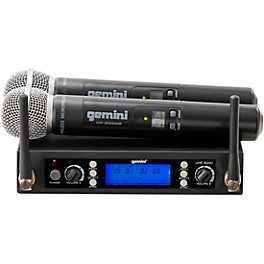
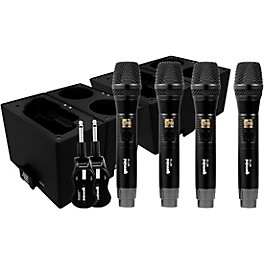
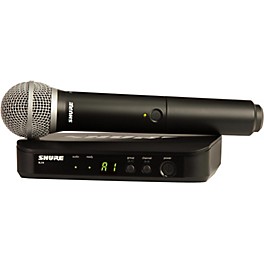
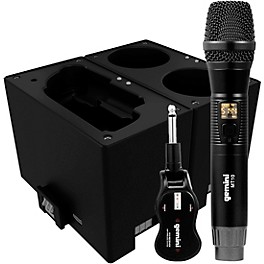
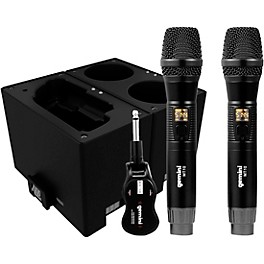
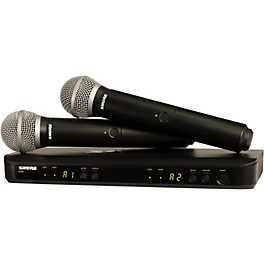
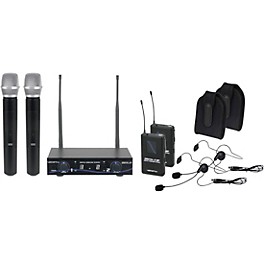
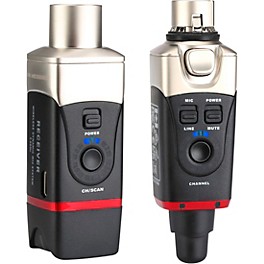
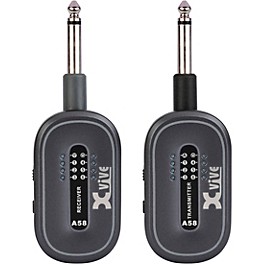
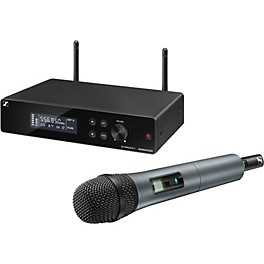
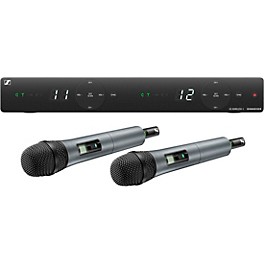
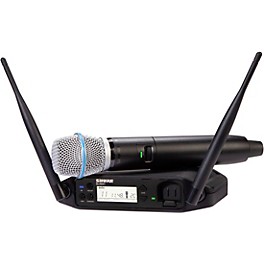
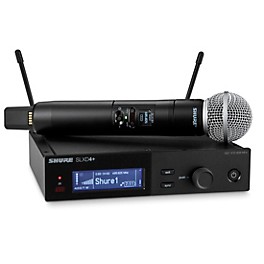
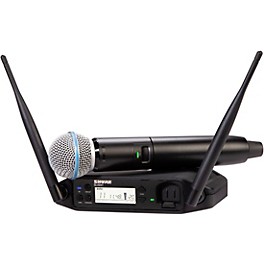
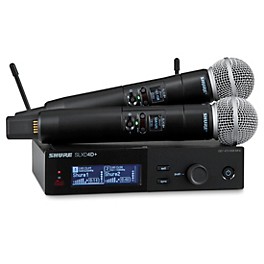
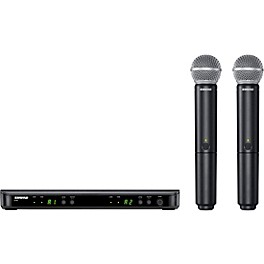
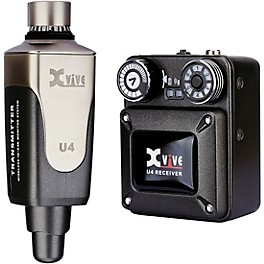
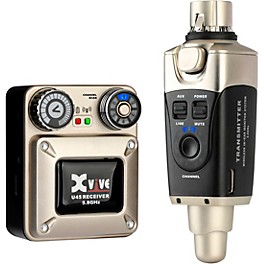
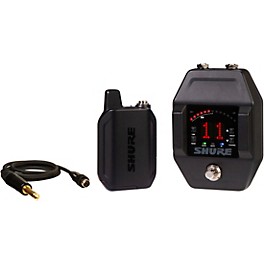
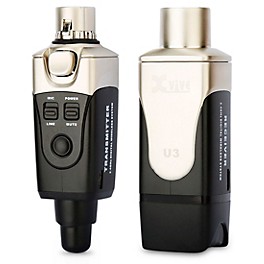
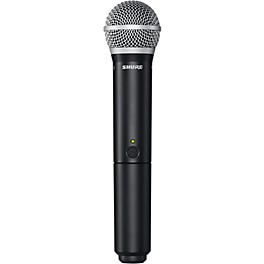
Being bogged down by cords is never productive. Setting them up, taking them down, storing them, and then doing it all again is a tedious, time consuming task. In fact, it can be downright dangerous from time to time if you're used to having free reign of the stage. A wireless system takes the cables out of the equation, saving you time when it comes to set up and giving you greater access to your venue.
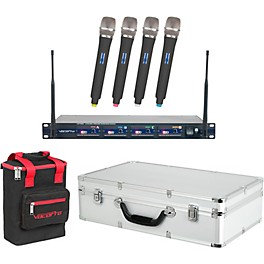
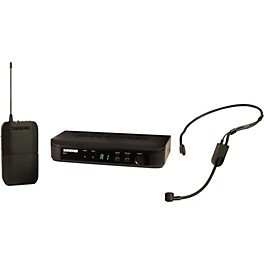
Wireless systems come in a vast amount of shapes, sizes and specifications. Whether you're looking for yourself, your band, or a larger musical group like a choir, there is certainly something to suit your specific sound needs. A multi-channel wireless microphone system lets you use more than one mic at a time. This is extremely beneficial for bigger groups with multiple singers. An option such as the the VocoPro UHF-8800 8-Channel Systems comes with 8 handheld mics and is a fantastic choice for multi-microphone engagements. It includes 8 XLR microphone outputs and a receiver that provides you with individual squelch and volume control on each channel for better vocal balancing. If going totally hands free is your goal, take a look at wireless headset microphone systems. These microphones typically clip onto clothing or fit directly onto your head.
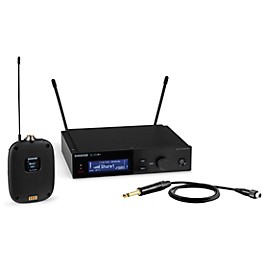
A favorite among vocalists and public speakers alike, these compact systems offer total freedom of movement and are attached to a body pack that transmits a wireless signal to its receiver. When it comes to singing and sound amplification, there are lots of options available to get yourself heard. Wireless systems take care of this without the use of cords or cables, giving them an edge over their wired counterparts when it comes to portability and ease of set up. Whether you're hitting the stage for a set or speaking to a large group about your love of music, a wireless system is the solution to all your sound projection needs.
.jpeg)