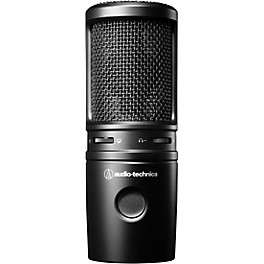
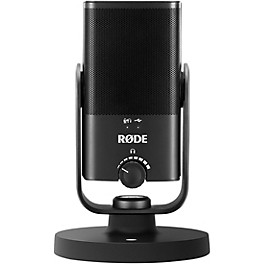
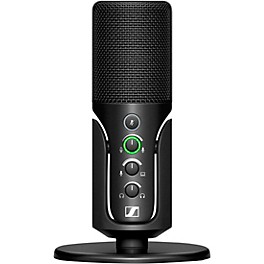
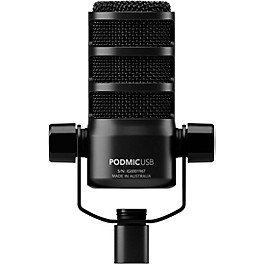
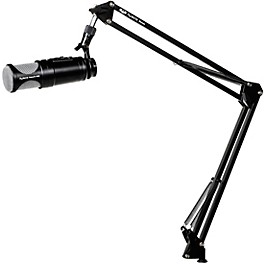
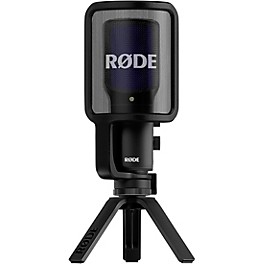
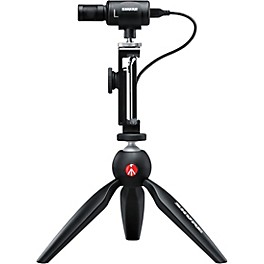
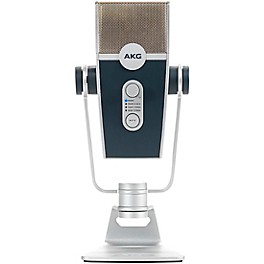
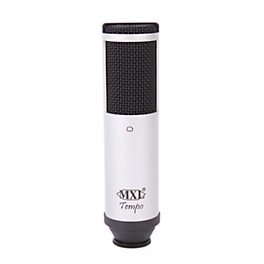
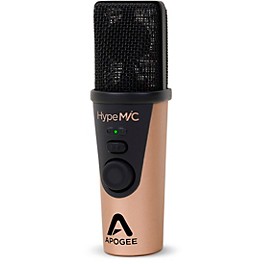
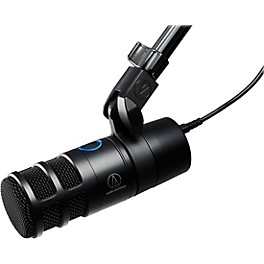
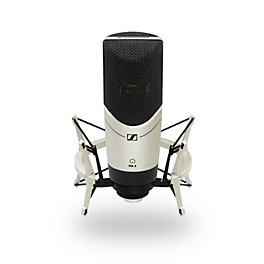
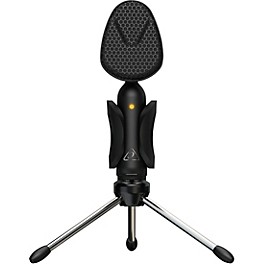
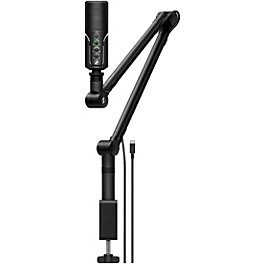
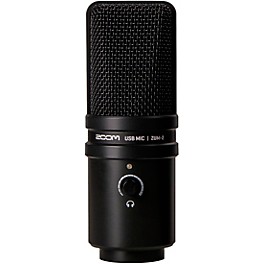
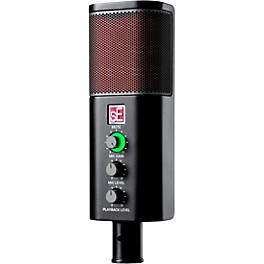
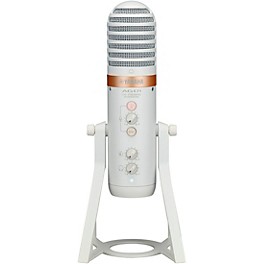
The introduction of affordable USB (Universal Serial Bus) microphones in around 2005 meant that musicians, vocalists and voiceover professionals could finally record their voice or music with sound quality approaching that of much more expensive and complicated set-ups involving preamps, expensive sound cards and A/D converters, software, and studio mics and cables.
While home computers have had microphones built-in or readily available for many years, they weren’t of sufficient quality for creating a high-fidelity audio file, suitable for use in music production, for instance. Now, all you need is a USB microphone, some basic sound-editing software like GarageBand, and a decent pair of headphones to begin creating your masterpiece, with plug-and-play simplicity, whether you own a PC or a Mac.
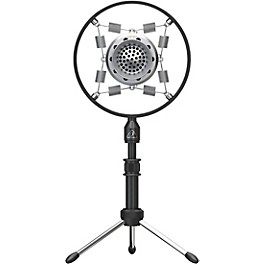
When choosing a USB microphone, you’ll need to consider what you want to record, whether it might be average-volume speech for voiceover work, soft vocals for song demos, or loud vocals and guitar cabinets for music production. Also, will you be doing most of your recording at home at your desk, out in the field, or with the band at rehearsal? There are a variety of designs available to meet any need. Perhaps the most common USB mic design is the condenser. Condenser mics are generally much more sensitive than your typical dynamic stage mic, both to sound and to physical damage, so they are more often used for studio recording and podcasting, to capture anything from soft whispers to wild screams. They will even add noticeable sparkle to your voice while Skyping, though you might want to consider getting a pop filter to limit your plosives when doing close-up vocal work with a condenser mic. While conventional condensers require a power source, called “phantom power,” which is usually supplied by a battery, dedicated power supply or the mixing console, in USB mics the USB interface itself provides the necessary juice, so you have one less thing to think about. Many models also have a built-in 1/8” headphone jack for monitoring.
You can also find dynamic USB microphones, which tend to be much more rugged and suitable for stage use or recording loud vocals, drums and guitar cabinets, in a range of prices. Another option is an XLR-to-USB converter, like the Shure X2u, which connects any XLR mic (XLR is the standard 3-pin microphone connector) to your USB port, and provides phantom power for those mics that need it, so you can use your favorite microphone for your sonic adventures. This adapter is available either solo, or bundled with an SM57 or SM58, which are industry standard dynamic mics used around the world. Similarly, SoundTech’s LightSnake USB microphone cable provides the same function, but in the form of a lighted mic cable in place of the USB cable.
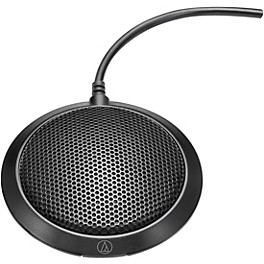
Most major manufacturers like Blue, Rode, Samson and MXL now market USB mics, with a wide array of features and price points. There are smaller or more specialized options, like the CAD U9 USB mini, which is about the size of a USB drive with a swivel mount, and is great for recording college lectures and song demos on the go. The CAD U2 USB headset is great for gaming, VoIP or podcasting, and there are even USB boundary (or PZM) mics for conference calls. With a USB microphone to provide the convenience and audio quality you’ve been missing (and the convenience of a built-in A/D converter and phantom power), it’s time to take your computer-based studio to the next level.