Refine Your Search
Availability
Category
Brands
No matching Brands.
Condition
Price
Series
No matching Series.
Financing
No matching financing.
Savings & specials
No matching savings.
More ways to shop
No matching deals.
.jpeg)

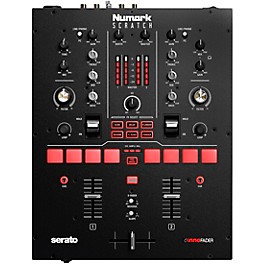
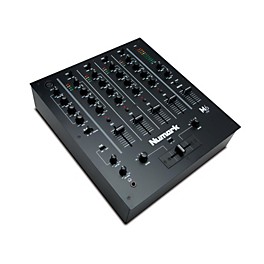
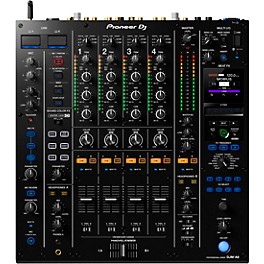
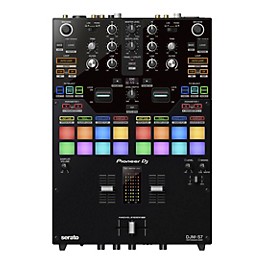
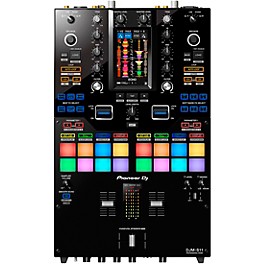
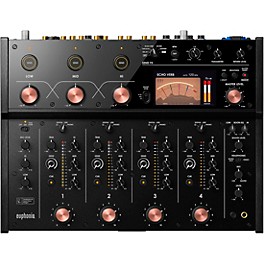
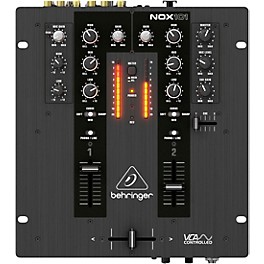
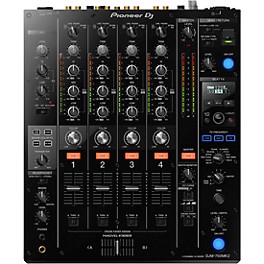
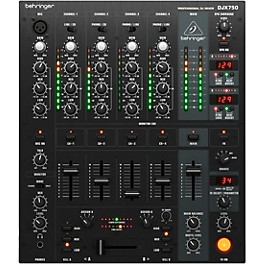
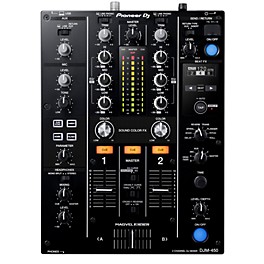
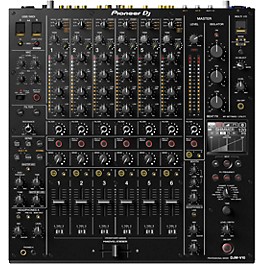
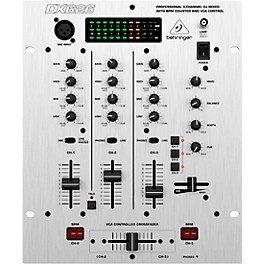
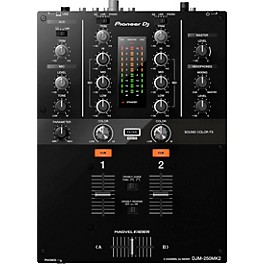
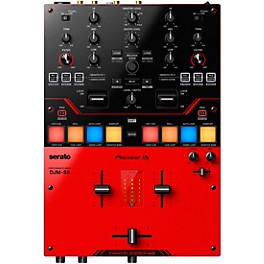
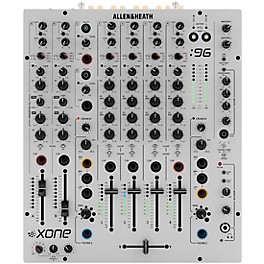
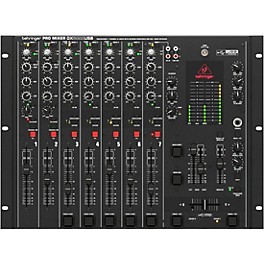
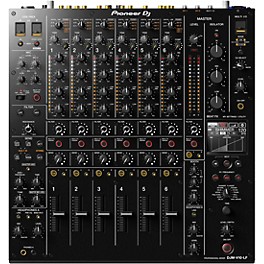
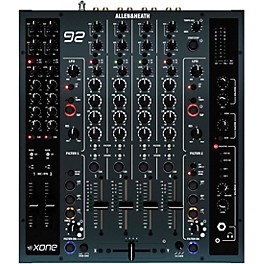
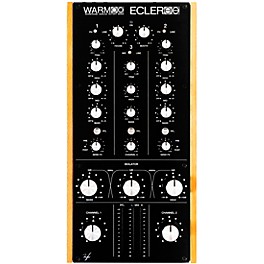
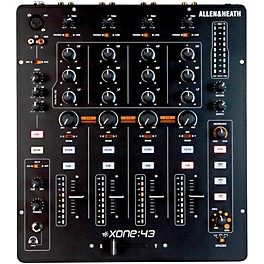
A great DJ mixer is the centerpiece of any unforgettable set, giving performers the power to blend, shape and energize their music with precision. Whether you’re scratching like Grandmaster Flash, mixing house beats like Honey Dijon or delivering electrifying festival sets like David Guetta, the right mixer can make all the difference. DJ mixers control transitions between tracks, enable creative effects and deliver pristine audio quality to keep the dance floor moving. From two-channel scratch mixers to multi-channel club mixers, Guitar Center offers a full range of options from trusted brands like Pioneer DJ, RANE, Allen & Heath and Behringer to suit every style and experience level. Explore our selection of DJ mixers and find the right one for your setup.
1-24 out of 273 products